Behind the Scenes at the World's Largest Tech Conferences
22 June 2026
Ever wonder what it's really like behind the velvet ropes, blinking lights, and massive keynote stages of the world’s biggest tech conferences? You know the kind—where Steve Jobs once pulled iPhones from his pocket and where Elon Musk occasionally drops a vision of the future that sets Twitter on fire. These events aren't just where new gadgets are unveiled—they’re where the magic happens.
Let’s peel back the curtain and take a curious stroll through the chaotic, adrenaline-fueled, and incredibly fascinating world behind the scenes at the world’s largest tech conferences.
What’s All the Hype About, Anyway?
Let’s be honest—for tech geeks, these conferences are like the Oscars, Coachella, and Comic-Con all rolled into one. We're talking about giants like CES (Consumer Electronics Show) in Las Vegas, Apple’s WWDC, Google I/O, Microsoft Build, and Mobile World Congress in Barcelona.They're not just about flashy product launches and jaw-dropping demos. They’re the pulse of the future. They set the trends, spark industry conversations, and sometimes—just sometimes—they introduce tech that completely reshapes our lives.
But while the headlines cover the glitzy parts, few ever talk about the blood, sweat, and caffeinated tears that go into making these mega events a reality.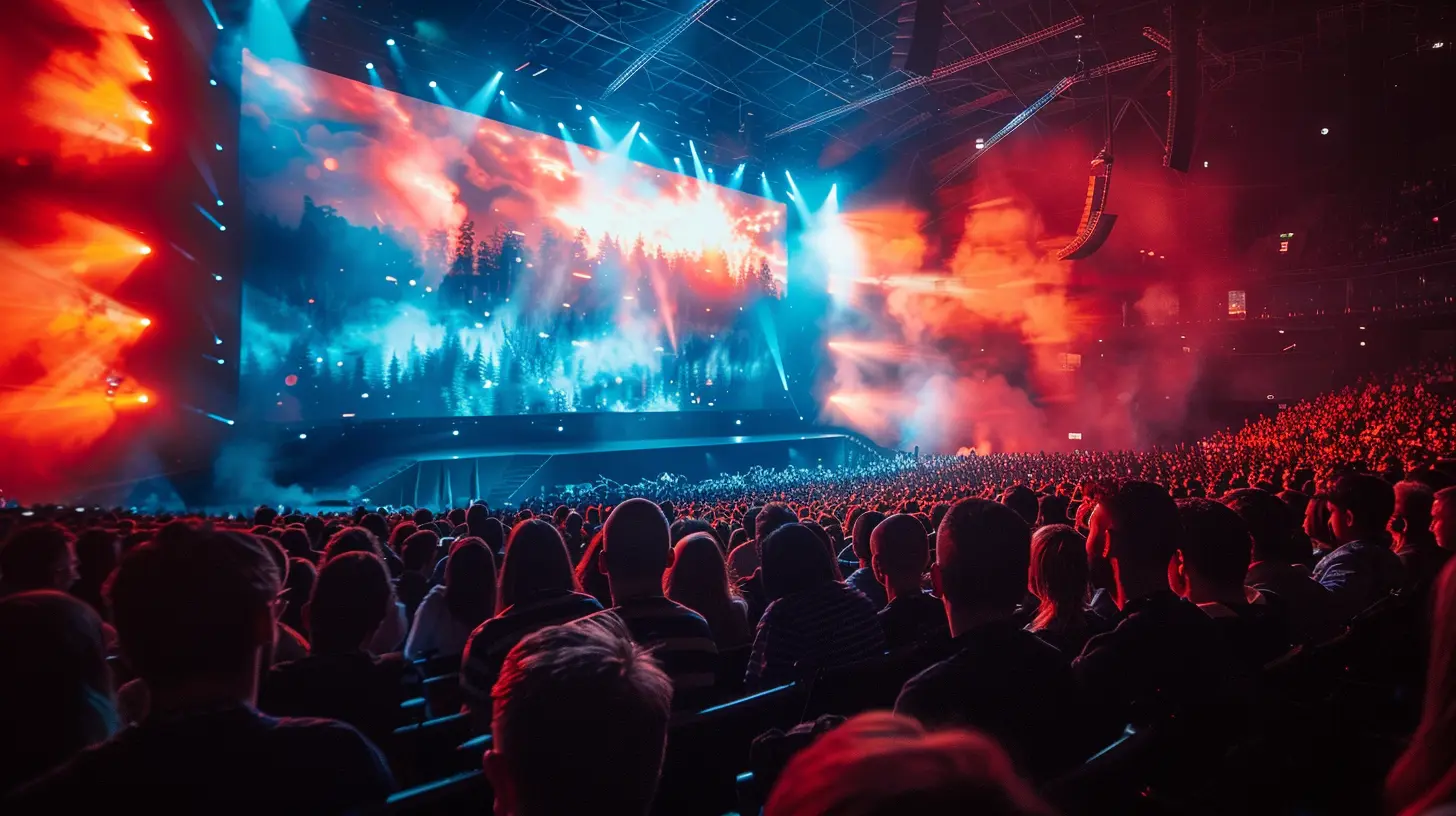
Months of Planning (and Panic)
So, how does a conference that hosts 100,000+ people even come together?It all starts nearly a year in advance. Yep, before the confetti from CES 2024 even hits the ground, planning for CES 2025 is already underway. Venue bookings, sponsor coordination, booth layouts, and speaker schedules—it’s like organizing a wedding, except the guest list includes the entire tech world.
And trust me, there are spreadsheets. So. Many. Spreadsheets.
Behind every polished stage and high-def livestream is a crew of project managers, AV techs, designers, and PR folks working insane hours. It’s their job to make sure the keynote slides don’t crash, the wi-fi doesn’t die (good luck with that), and the CEO doesn’t walk into the wrong green room.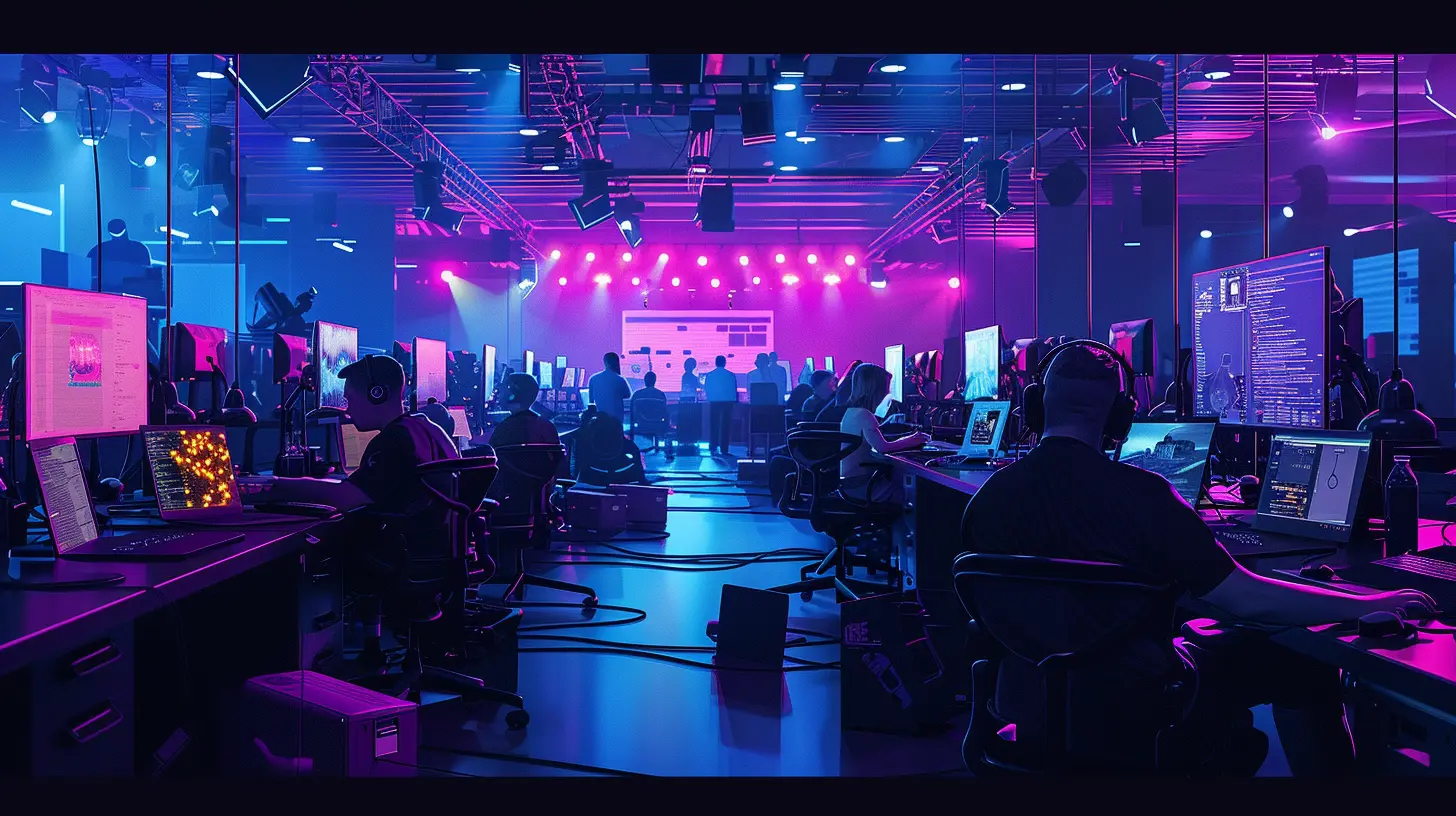
The Race to Dazzle
If you think your job interview was stressful, imagine being a startup trying to stand out at CES among 4,500 other exhibitors. It’s like trying to yell in a stadium during a Metallica concert.Weeks before the show, companies are in overdrive—polishing prototypes, obsessing over booth designs, and prepping press kits. Some even go full Mission Impossible and smuggle unreleased gadgets cross-country just to avoid leaks. (True story!)
Startups treat these conferences like a make-or-break moment. If they can get the right journalist’s attention or score a meeting with a big investor, it could change their company’s trajectory overnight.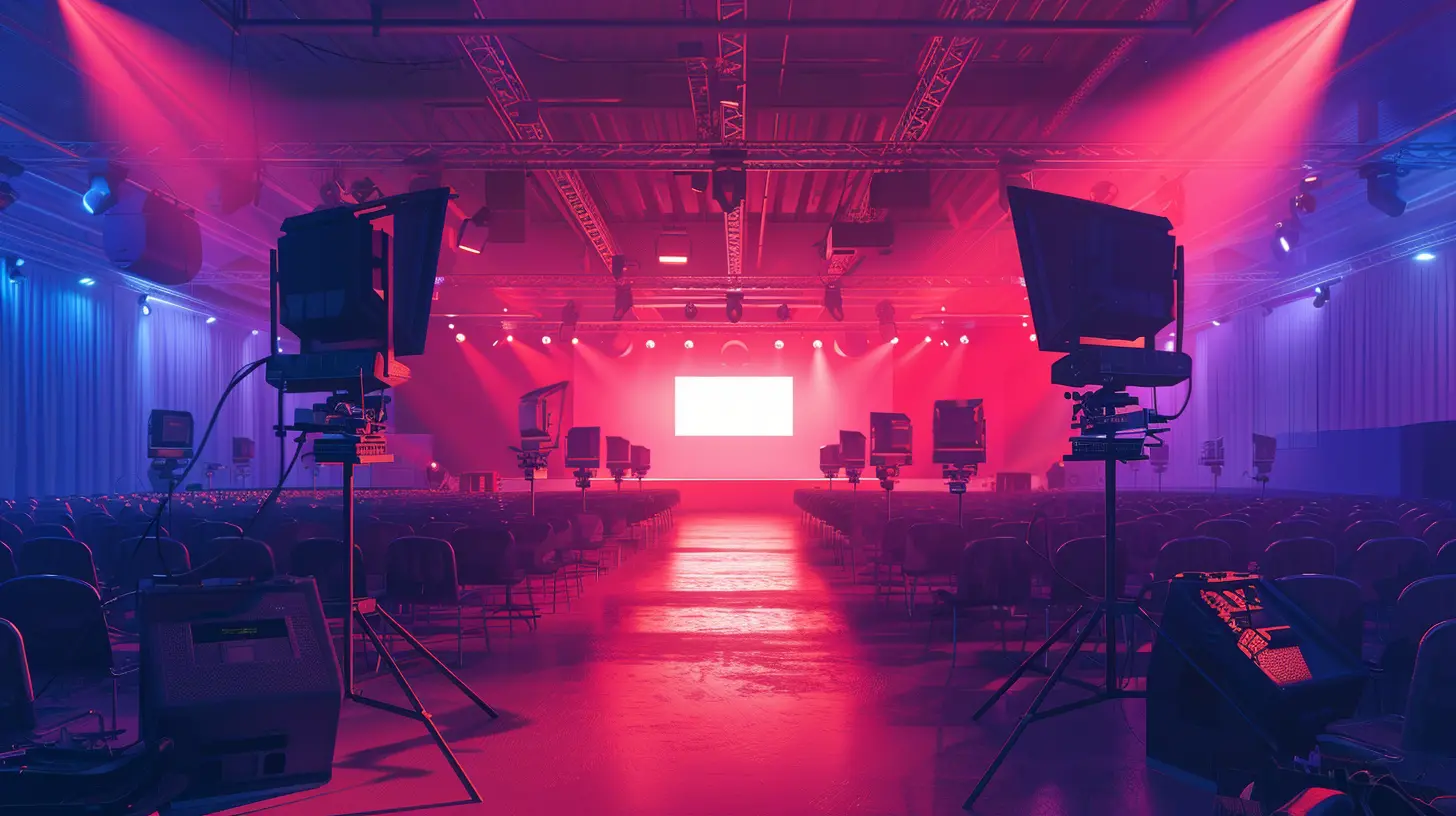
The Night Before: Calm Before the Nerd Storm
Here's a little secret: the night before the event is total chaos.The main exhibition floor? It's not pretty. Think forklifts zooming past tangled cables, neon signs being tested last-minute, and exhausted workers chugging energy drinks like it’s an Olympic sport. At that moment, the place looks more like a tech-themed war zone than the polished utopia you see in Instagram stories.
Meanwhile, PR people run through crisis drills. “What if the demo malfunctions?” “What if our spokesperson gets sick?” There’s backup for everything—devices, speakers, even outfits.
The Keynote: More Scripted Than You Think
If you’ve ever watched an Apple keynote and thought, “Wow, they make it look so easy,” that’s intentional.Those keynotes are choreographed down to the second. There are pre-show rehearsals, teleprompters, and even “applause cues” for select staff sitting in the audience (yes, really). Every joke is vetted, every slide is tested for color balance on 4K displays, and every presenter has practiced their lines a hundred times over.
And just off-stage? A blur of producers, stage managers, and nervous marketing execs holding breath as the spotlight hits. It’s the tech world’s version of showbiz.
Livestreaming: No Room for Errors
In 2024, conferences aren’t just for the people in the room. Millions tune in from around the globe. Which means that tech events have become full-blown broadcasting gigs, with multiple camera angles, real-time translations, and live captioning.The livestream team is usually tucked away in some underground bunker (or windowless room) surrounded by monitors, switches, and the eerie glow of panic. One glitch, one mic failure, and Twitter has a meltdown.
These folks are the unsung heroes who make sure you can watch every product announcement from your couch in your pajamas.
The After-Party: Networking Meets Nightlife
Ah yes, the after-parties. After a full day of presentations and panels, the energy doesn’t drop—it just shifts gears.Major companies rent out rooftops, clubs, and even museums to wine and dine journalists, influencers, and industry insiders. There’s food, free booze (like, really good stuff), and sometimes, surprise performances by A-list musicians.
But these parties aren’t just for fun. They’re strategic. It’s where backroom deals begin, startup founders pitch investors over cocktails, and competitors size each other up from across the dance floor.
Media Rooms: Where the Stories Get Written
Let’s not forget the journalists. While everyone else is ogling smart fridges and robot dogs, reporters are holed up in dimly lit press rooms trying to beat tight deadlines and slow Wi-Fi.These rooms are about as glamorous as a high school cafeteria—but with more caffeine and fewer snacks.
Still, they’re crucial. It’s where stories are shaped, launches are covered, and the buzz begins. One good review from a major outlet can turn a struggling startup into front-page news.
Hidden Gems No One Talks About
While the show floors grab headlines, the true magic often happens in the smaller corners—developer lounges, VR testing rooms, and impromptu meetups.These are the places where developers tinker with APIs over pizza, engineers get hands-on with SDKs, and real conversations take place—without press releases or PowerPoint slides.
It’s unfiltered. It’s raw. And for many attendees, it’s the most valuable part of the whole experience.
The People Powering the Machine
None of this happens without an army behind the curtain.From registration volunteers handing out lanyards at 6AM to janitors cleaning up after midnight, a massive human effort keeps everything running smoothly. They’re everywhere—scanning badges, directing traffic, fixing wi-fi, and refilling coffee pots.
And they rarely get the applause they deserve.
Is It All Worth It?
You might be wondering, “Is all this madness really necessary?”Honestly... yeah.
For all the chaos and caffeine, tech conferences are where innovation becomes tangible. It’s where ideas are pitched, collaborations are born, and futures are imagined.
It’s the one time the entire industry steps away from their laptops and comes together under one roof—face-to-face, handshake-to-handshake, tweet-to-tweet.
It’s messy. It’s stressful. It’s beautiful.
Final Thoughts
Behind the scenes at the world’s largest tech events is a whirlwind—an orchestra of creativity, ambition, and bulletproof planning. For a few electric days each year, the best minds in technology gather not just to show off what they've built, but to inspire what’s coming next.So the next time you watch a keynote or share a booth selfie on LinkedIn, remember: there’s an entire world of chaos and collaboration swirling just outside your frame.
And let's be real… isn't that kind of awesome?
all images in this post were generated using AI tools
Category:
Tech EventsAuthor:

Pierre McCord
Discussion
rate this article
1 comments
Solaria Lawrence
I love the energy at these conferences! Always something new and inspiring to discover.
July 1, 2026 at 4:08 AM
Pierre McCord
Thanks for sharing your excitement! The energy truly brings a unique experience.