Can Voice Assistants Replace Your Smartphone? An In-Depth Look
25 December 2025
Smartphones have become an inseparable part of our lives. We use them for everything—texting, calling, browsing, shopping, entertainment, and even managing our smart homes. But with the rise of AI-powered voice assistants like Siri, Google Assistant, and Alexa, many are wondering: Could voice assistants eventually replace smartphones altogether?
It’s an interesting thought. Voice technology has advanced rapidly, making it more capable than ever. But are we really ready to ditch our screens in favor of just our voices? Let’s take a deep dive into the possibilities, challenges, and what the future holds.

The Rise of Voice Assistants
Voice assistants have come a long way since their early days. What started as simple voice-activated search tools have evolved into AI-powered digital assistants capable of performing a variety of tasks. Whether it’s setting reminders, controlling smart home devices, ordering food, or even making phone calls, voice assistants have become incredibly useful.Why Are Voice Assistants Gaining Popularity?
There are a few key reasons why voice assistants have gained so much traction:- Convenience – You don’t need to pick up a device. Just speak, and the assistant responds.
- Hands-Free Use – Perfect for when you're driving, cooking, or multitasking.
- Speed – It’s often faster to ask a quick question rather than type it out.
- Integration with Smart Devices – Controlling lights, thermostats, and even security systems is as simple as giving a voice command.
But while voice assistants offer plenty of advantages, can they really take over all the functions of a smartphone?

Can Voice Assistants Fully Replace a Smartphone?
For voice assistants to replace smartphones, they need to handle everything phones do—and that’s a tall order. Let’s break it down.Communication: Can Voice Assistants Make Calls and Send Messages?
Yes, voice assistants can make calls and even send text messages. But here’s where the limitations start to show.- Messaging Is Awkward – Dictating a message isn’t always accurate, and reading incoming messages aloud can sometimes be inconvenient, especially in public places.
- Lack of a Visual Interface – Sometimes, you need to see messages, emails, or notifications to process them properly.
Phones allow you to check notifications at a glance, skim messages, and respond with a mix of text, emojis, and images—something a voice assistant struggles with.
Web Browsing and Social Media
Can you imagine scrolling through Instagram, watching TikTok videos, or even reading news articles purely through voice commands? It sounds frustrating, right?Voice assistants can read out news headlines or answer specific questions, but they don’t offer the interactive browsing experience that smartphones do. For now, visual interfaces still dominate when it comes to web content and social media.
Apps and Entertainment
Apps are at the heart of the smartphone experience. Whether it’s gaming, watching Netflix, or using productivity apps, our phones are full of software designed for a touchscreen interface.Voice assistants can play music, open apps, and even provide sports updates, but they can’t fully replace an interactive screen. Imagine trying to edit a photo or compose an email without a touchscreen—it just doesn’t work as well.
Security and User Authentication
Smartphones come with biometric authentication like fingerprint scanners and facial recognition, making them secure for banking, storing personal information, and accessing sensitive data.While voice assistants do have some level of voice recognition, it’s nowhere near as secure or foolproof as biometric authentication. Until voice recognition technology improves significantly, voice assistants won’t be a practical replacement for smartphones when security is a concern.
Mobility and Accessibility
One of the biggest advantages of smartphones is their compact, portable design. They fit in our pockets and go everywhere with us.So, how exactly would a voice assistant function as a standalone replacement? Would it require a separate device? Would it be built into smart glasses or earbuds? Until we have a seamless hardware solution to house voice assistants, smartphones will remain the more practical choice.
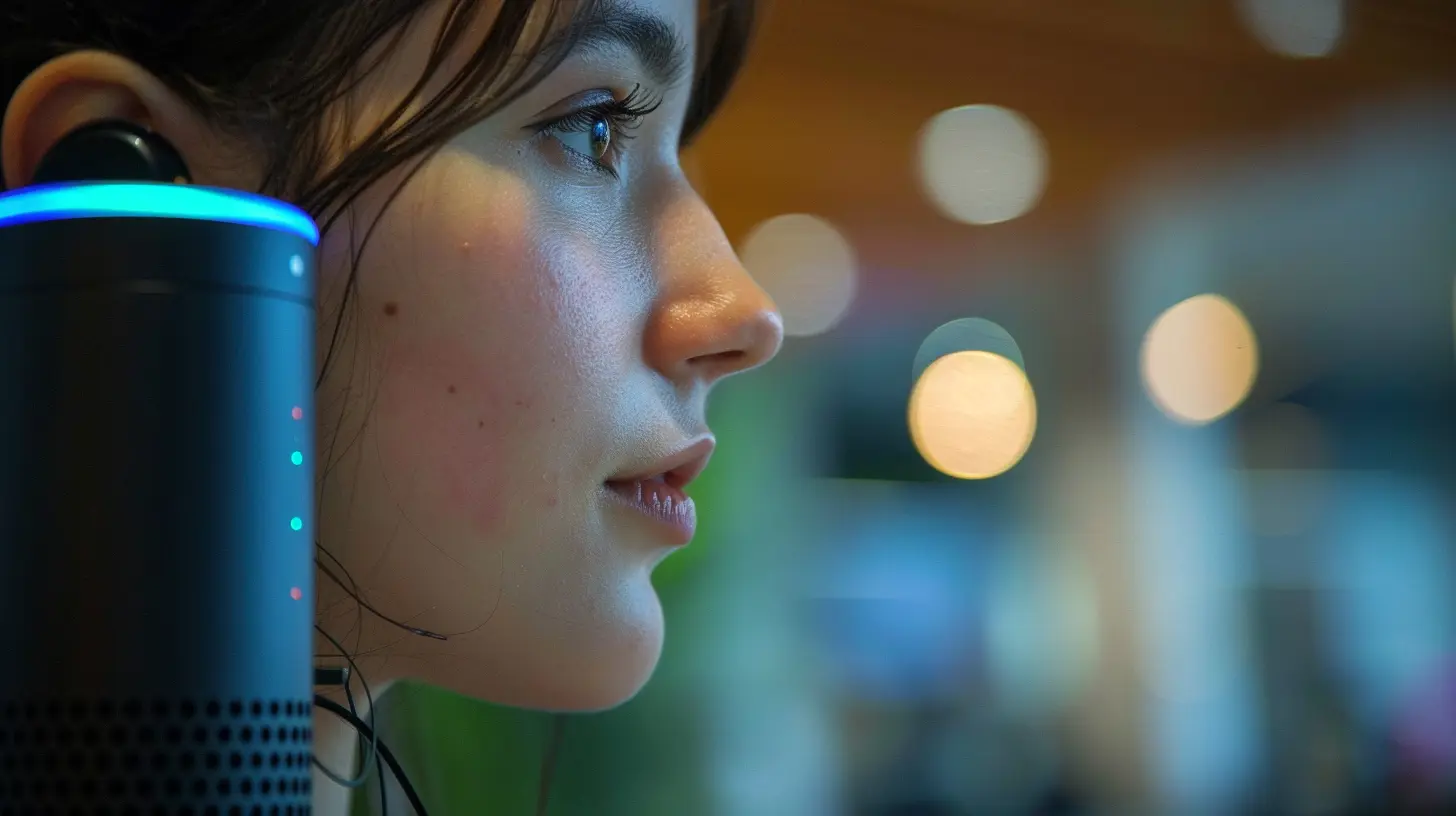
The Future: Voice Assistants + Augmented Reality?
While voice assistants alone may not replace smartphones anytime soon, they could become a major part of the next generation of technology. Imagine a world where:- Smart Glasses or Wearables provide visual information while your voice assistant handles commands.
- Augmented Reality (AR) overlays digital content onto the real world, making screens less necessary.
- AI Advances allow voice assistants to understand context even better, making interactions more natural and efficient.
Tech giants like Apple, Google, and Meta are already working on AR and AI-driven devices, hinting at a future where we rely less on traditional smartphones and more on voice-driven interfaces combined with smart wearables.

So, What's the Verdict?
For now, voice assistants complement smartphones, but they don’t replace them. While they’re great for hands-free tasks and smart home controls, they simply don’t offer the versatility, security, and usability of a smartphone.However, as AI and wearable technology continue to evolve, we may eventually see a shift where voice assistants play a much bigger role—perhaps even replacing smartphones in the distant future. Until then, don’t ditch your phone just yet!
all images in this post were generated using AI tools
Category:
Voice AssistantsAuthor:

Pierre McCord
Discussion
rate this article
2 comments
Cambria Gates
Whispers of convenience, a future where voices reign supreme.
January 15, 2026 at 5:13 PM
Pierre McCord
Thank you for your insightful comment! The evolution of voice technology indeed suggests a compelling future where seamless communication could redefine our interaction with devices.
Zoey Coleman
This article effectively explores the potential of voice assistants to supplant smartphones, highlighting advancements in AI and user interface. While voice technology offers hands-free convenience and accessibility, concerns about context limitations and privacy persist. Ultimately, the future may lie in a synergistic approach rather than outright replacement.
January 6, 2026 at 4:52 AM
Pierre McCord
Thank you for your insightful comment! I agree that while voice assistants show great promise, a combined approach with smartphones may be the most effective solution moving forward.