Design Trends That Will Define Mobile Apps in 2026
17 April 2026
Remember when mobile apps were simple grids of icons? That era feels as distant as flip phones. The landscape of mobile design is evolving at a breakneck pace, driven by technological leaps and a deeper understanding of human behavior. As we look toward 2026, we’re not just talking about new color palettes or slicker buttons. We’re talking about a fundamental shift in how apps feel, think, and integrate into the fabric of our lives. The app is no longer just a tool on your phone; it’s becoming an intelligent companion, an ambient assistant, and a seamless extension of your physical world. So, what exactly will define the mobile experience in two years? Let’s dive into the design trends poised to reshape our digital interactions.
The Invisible Interface: Design That Fades Into the Background
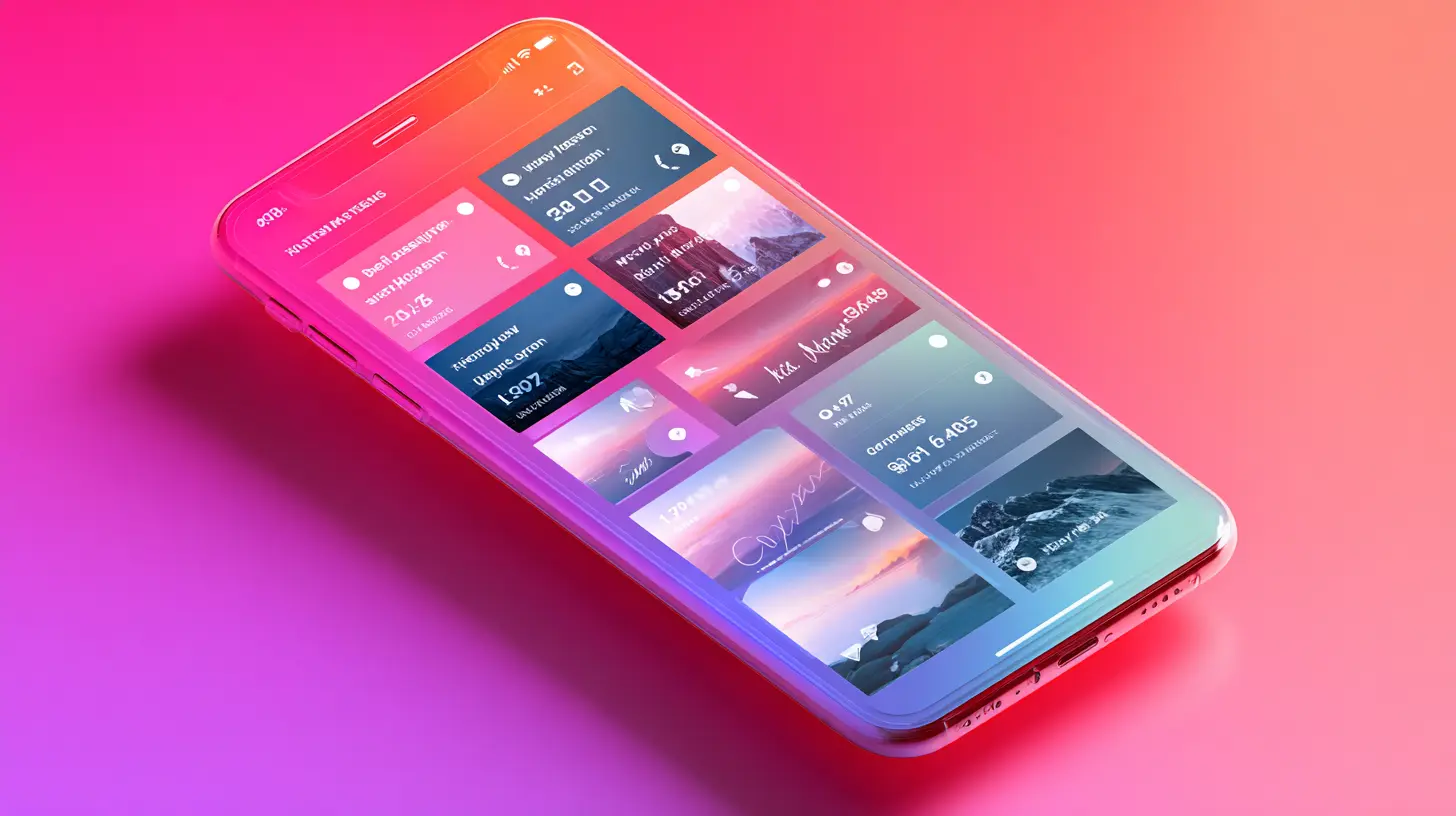
The ultimate goal of design, paradoxically, is to become invisible. By 2026, we will see a massive push towards interfaces that don’t scream for attention but quietly facilitate action. Think of it like the difference between a cluttered, buzzing control room and the intuitive, silent cockpit of a luxury car. The focus will shift from the interface to the outcome.Context-Aware & Predictive UIs
Your apps will start to feel psychic. Leveraging machine learning, location data, time of day, and even biometrics, apps will preemptively present what you need, before you tap. Your grocery list app might highlight dinner recipes as you pass the supermarket at 6 PM. Your music app might shift to calming instrumental sounds when your smartwatch detects elevated stress. The home screen itself could become a dynamic canvas, with widgets and app shortcuts that morph based on your routine. The design challenge here is immense—it must be helpful, not creepy; suggestive, not prescriptive. Transparency and user control will be the bedrock of these designs, with clear indicators of why a certain suggestion is being made.Voice-First & Conversational Design
While voice assistants are already here, by 2026 they will be deeply woven into the app experience, moving beyond simple commands to true conversations. We’ll see a rise in multi-modal interactions—starting a task by voice (“Hey, order my usual coffee”) and fine-tuning it on screen (selecting a new pickup time with a tap). The visual design will support these conversations, with interfaces that flow and respond like a natural dialogue. Typography and visual feedback will be crucial to show the app is “listening,” “thinking,” and “responding.” It’s less about designing static screens and more about choreographing a fluid dance between voice, touch, and glance.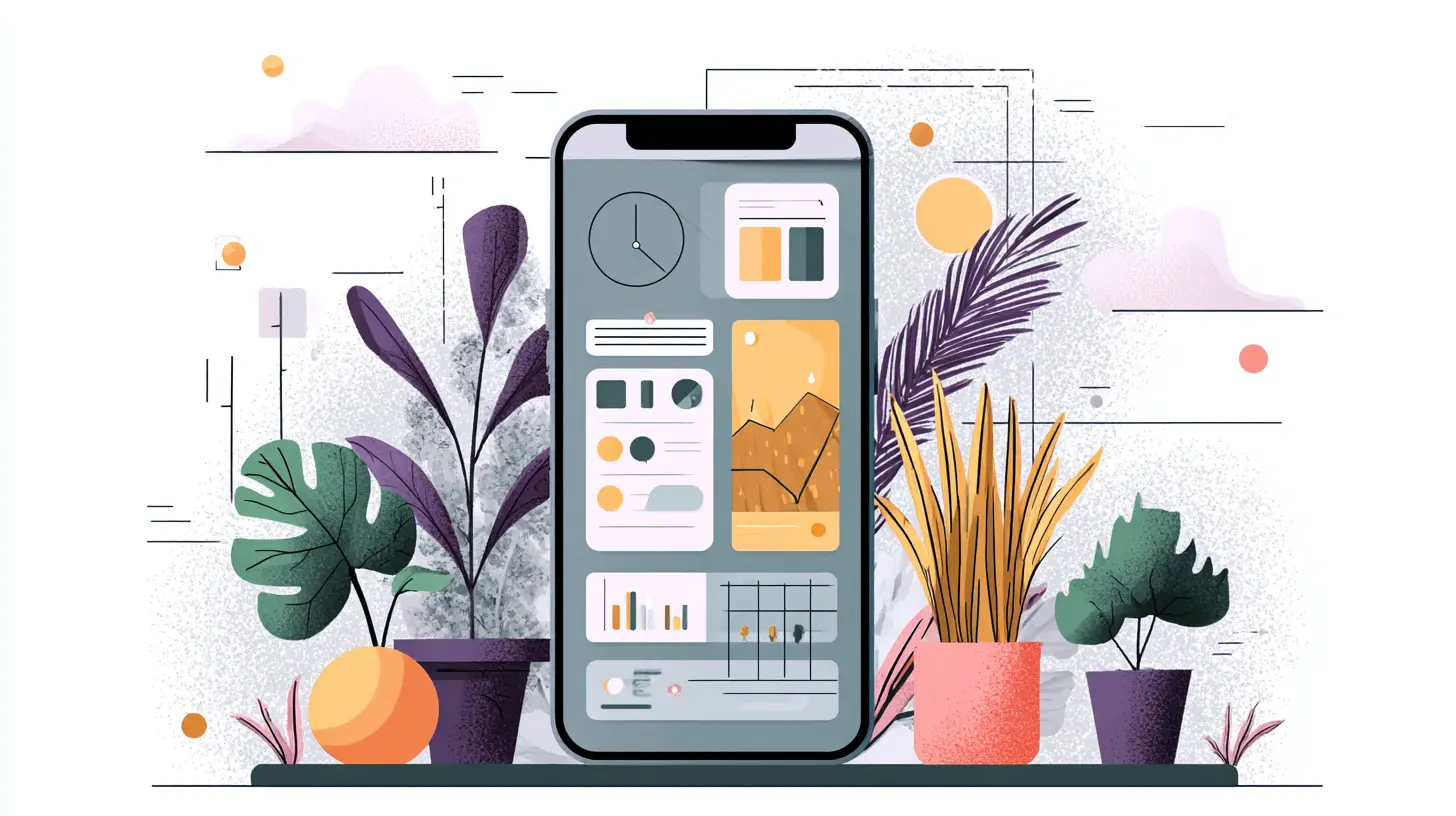
Hyper-Personalization: The One-of-a-Kind App Experience
Forget one-size-fits-all. The future is bespoke. Advances in AI will allow apps to tailor not just content, but their very layout, functionality, and aesthetic to the individual user. It’s the difference between buying a suit off the rack and having one tailor-made for your measurements.AI-Generated Interfaces (AGI)
Imagine an app that reorganizes its navigation based on which features you use most often. Or a fitness app where the workout dashboard looks completely different for a marathon runner versus a yoga enthusiast, because the AI has learned their primary goals. Generative AI will play a role in creating these unique visual pathways. Colors, spacing, and even iconography could subtly adjust to match user preferences or accessibility needs—all in real-time. The designer’s role evolves from crafting a single rigid layout to creating a flexible design system and ruleset that the AI can intelligently adapt.Emotional Intelligence & Biometric Feedback
Design will begin to respond to how you feel. With the proliferation of wearable tech and improved device sensors, apps could detect signs of frustration (rapid tapping, shaking the phone), fatigue, or joy. An educational app for children might simplify its language if it detects confusion. A reading app might switch to a more calming color scheme and slower scroll speed in the evening. This trend moves us from usability (can you use it?) to empathy (does it understand you?). The ethical considerations are paramount, requiring immense user trust and consent, but the potential for profoundly supportive digital experiences is real.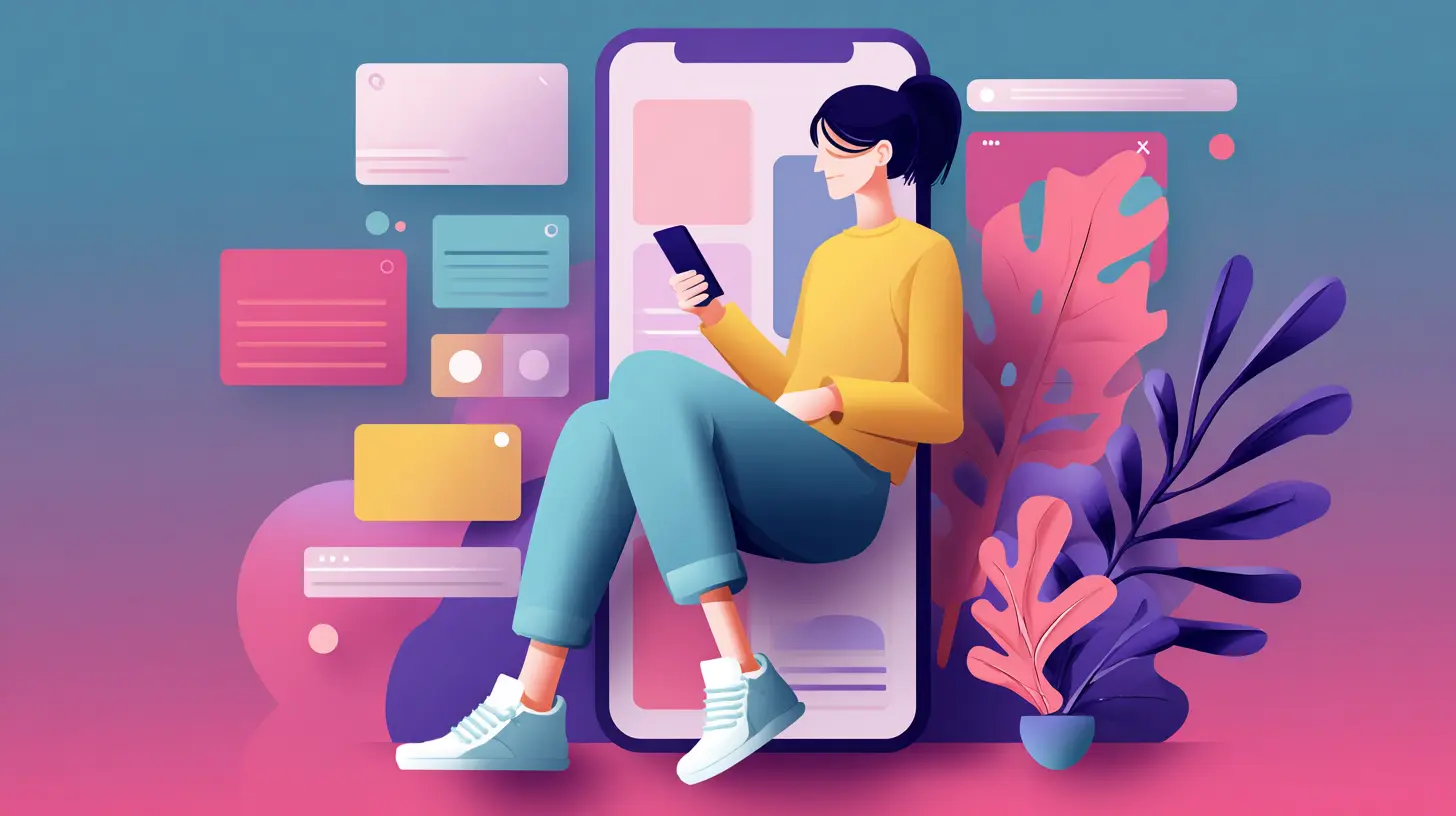
Spatial & Immersive Design: Blurring the Digital and Physical
The rectangle of your smartphone screen is beginning to dissolve. With the maturation of Augmented Reality (AR) and the early strides of mixed-reality headsets, app design is escaping into the space around us.AR-First Navigation & Interaction
By 2026, AR will move beyond fun filters and games into core utility. Wayfinding won’t be a blue dot on a 2D map; it will be arrows and street names painted onto the sidewalk through your camera view. Shopping apps will let you visualize a sofa in your living room at true 1:1 scale, with accurate lighting and shadows. The design principles for this are spatial: understanding depth, scale, occlusion (digital objects hiding behind real ones), and environmental lighting. UI elements will need to be anchored in the real world, legible in various lighting conditions, and non-intrusive. It’s UI design for the universe.Haptic Feedback & Multi-Sensory Experiences
Design will engage more than just your eyes. Advanced, nuanced haptic feedback will make interactions feel tangible. Scrolling through a list of fabrics in a shopping app might produce a subtle, distinct vibration for silk versus denim. Confirming a payment could feel like a satisfying, physical “click.” This tactile layer adds a richness and confirmation to actions, reducing cognitive load and making digital experiences feel more “real.” Sound design, too, will become more adaptive and spatial, responding to your environment rather than playing generic tunes.
The Rise of Ethical & Inclusive Design by Default
Users are increasingly savvy and concerned about their digital well-being. In 2026, design trends will be judged not just by beauty, but by their integrity. This is a shift from what can we do to what should we do.Digital Minimalism & Anti-Addiction Patterns
The backlash against infinite scroll and attention-hijacking designs is already here. The trend will mature into a design philosophy. We’ll see more apps with built-in focus modes, intentional friction for prolonged use (like “You’ve been reading for an hour—take a break?”), and clean, distraction-free layouts. Dark patterns will become a major reputational risk. Instead, “calm technology” will prevail—apps that provide value without demanding constant engagement. Think of an app as a helpful librarian, not a slot machine.Universal Design & Proactive Accessibility
Inclusivity will stop being a checklist and start being the foundational blueprint. AI will power real-time accessibility features: live captioning for any audio, automatic alt-text generation for images, and interfaces that adapt for motor, cognitive, or visual impairments on the fly. Color palettes will be chosen not just for brand appeal but for contrast ratios that exceed standards. Typography will prioritize legibility over trendy fonts. The goal is a single, flexible design that works beautifully for everyone, eliminating the need for separate “accessible” versions. It’s good design, full stop.Neo-Brutalism & Expressive Typography: The Aesthetic Counter-Culture
Amidst all this AI and invisibility, there’s a parallel, vibrant aesthetic movement. As a reaction to the sterile, homogenous “corporate” flat design, we’re seeing a embrace of more raw, bold, and expressive visual languages.Bold, Asymmetric & “Imperfect” Layouts
Inspired by the Brutalist architecture of the 1950s, this trend in digital design embraces raw, high-contrast elements, stark typography, exposed grids, and asymmetrical layouts. It’s unapologetic, attention-grabbing, and feels human in a world of algorithmic perfection. For certain brands—especially in creative industries, activism, or youth culture—this aesthetic communicates authenticity, boldness, and a rejection of slick corporate norms. By 2026, this style will have evolved, perhaps merging with other trends to create interfaces that feel uniquely handcrafted.Kinetic Typography & Dynamic Type Systems
Text won’t just sit there. Typography will become a primary vehicle for emotion and motion. Words might subtly animate to emphasize meaning, respond to scroll speed, or change weight to guide focus. Variable fonts will be used extensively, allowing a single font file to behave like a full spectrum of weights and widths, animated smoothly. This allows for incredibly efficient, expressive, and performant type-driven interfaces. It turns reading into an experience, carefully guiding emotional tone and user attention through the very shape and movement of the letters.Conclusion: Designing for a Fluid Future
The mobile app design landscape of 2026 will be one of fascinating contrasts: invisible yet expressive, universal yet deeply personal, intelligent yet simple. The designer’s toolkit is exploding beyond pixels and grids to include voice, space, emotion, and ethics. The most successful apps won’t just be the prettiest or the fastest; they’ll be the most adaptive, respectful, and contextually aware. They will understand that they are guests in our lives and pockets, not the center of them.The challenge—and the opportunity—for designers and developers is to harness these powerful technologies with a steadfast focus on the human on the other side of the screen. It’s about building bridges between the digital and physical, the intelligent and the intuitive, the personalized and the private. The trends are clear: the future of mobile app design is not just on your screen. It’s all around you, it understands you, and it’s designed, above all, to empower you. Are you ready to build for that world?
all images in this post were generated using AI tools
Category:
Mobile ApplicationsAuthor:

Pierre McCord
Discussion
rate this article
2 comments
Eloise Allen
Exciting insights on the future of mobile app design! The focus on immersive experiences and sustainable UI principles will undoubtedly shape user interactions. Can't wait to see how these trends evolve and enhance app functionality in 2026!
April 25, 2026 at 2:58 AM
Kenneth McGuffin
Excited to see apps in 2026—let’s hope for fewer update headaches!
April 22, 2026 at 4:02 AM
Pierre McCord
Absolutely! Simplicity and seamless updates will be key. Exciting times ahead!