Exploring the Future of Productivity Tools in 2026 and Beyond
15 April 2026
Let’s be honest. Your current to-do list app probably gives you more anxiety than a caffeine overdose. You’ve got notes scattered across three different platforms, a calendar that looks like a toddler’s abstract art, and a project management tool so complex it needs its own PhD to operate. You’re “productive” in the sense that you’re very busy managing the tools that are supposed to make you productive. It’s like buying a state-of-the-art, self-cleaning kitchen to make a piece of toast and then spending all day maintaining the kitchen.
So, what comes next? As we zoom toward 2026 and beyond, the very idea of “productivity” is getting a hilarious and much-needed brain transplant. Forget mere efficiency. The future is about tools that don’t just help you work, but work for you—tools with a dash of personality, a sprinkle of psychic ability, and the common sense to know when you need a nap more than a notification.
Buckle up. We’re diving into a world where your software is less of a stern taskmaster and more of a witty, hyper-competent sidekick.
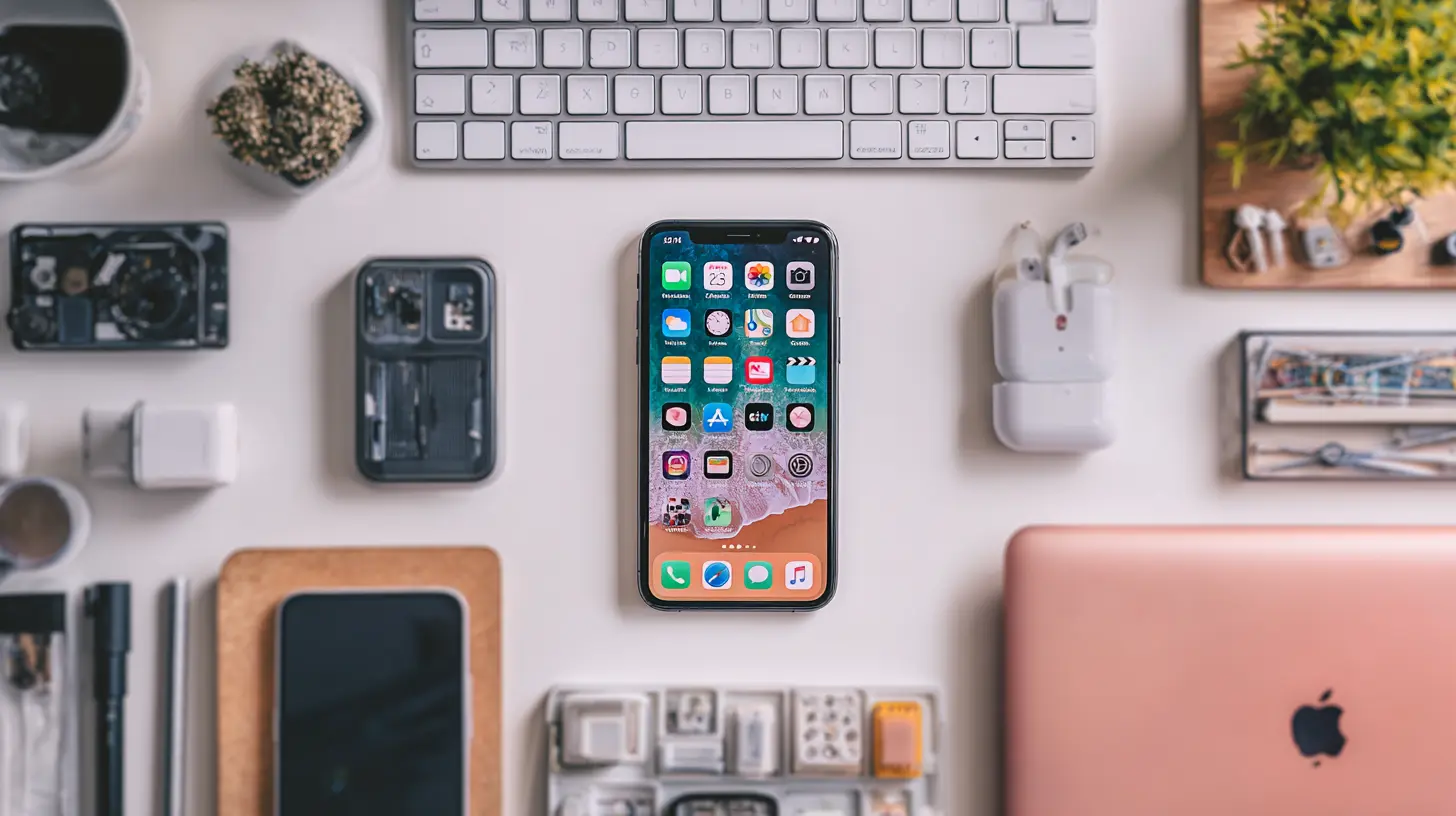
From Digital Assistants to Digital Colleagues: The Rise of the AI Co-Pilot
Right now, AI in our tools is like that overeager intern who fetches coffee and occasionally organizes files by color instead of date. Helpful, but prone to weird mistakes. By 2026, that intern will have graduated summa cum laude, developed emotional intelligence, and learned to anticipate your every need before you’ve had your first sip of that coffee.The Context-Aware Companion
Imagine opening a blank document. Today, you stare at the blinking cursor, fighting writer’s block. In 2026, your word processor greets you: “Morning, Sam! Based on your calendar, you’re drafting the Q3 report for Acme Corp. I’ve pulled the data from last quarter’s report, the latest sales figures from the database, and the three key points you highlighted in yesterday’s meeting with Lisa. I’ve started a first draft. Also, you mentioned ‘impactful’ a bit too much in Q2. Let’s mix it up this time, shall we?”This isn’t magic; it’s contextual awareness. Future tools will be deeply integrated across your entire digital ecosystem—your emails, calendars, communication apps, past projects, even your meeting transcripts (with permission, of course). They won’t just execute commands; they’ll understand intent. They’ll know that “Prep for the big meeting” means pulling the latest deck, summarizing relevant emails, and blocking your calendar for focus time—not just setting a reminder.
The Proactive Problem-Solver
Your future project management tool won’t just tell you Task B is overdue. It will slide into your DMs like a wise friend: “Hey, I notice the design assets for Task B are stuck with Jordan, whose workload is currently at 150%. I’ve already pinged him a gentle nudge and suggested a 15-minute sync tomorrow at 11 AM, which works for both of you. In the meantime, I can re-prioritize Tasks C and D so your team isn’t twiddling their thumbs. Cool? Cool.”It moves from reactive logging to proactive orchestration. It will identify bottlenecks, predict delays before they happen, and suggest real-time solutions. It’s less of a spreadsheet and more of a super-intelligent air traffic controller for your workday.
The Great Integration: One Tool to Rule Them All (Without the Evil)
We’re suffering from app fatigue. You’ve got a separate app for chat, docs, tasks, goals, time tracking, and probably one that just sends you pictures of puppies at 3 PM (critical for productivity, obviously). The future isn’t another app. It’s the end of app-hopping.The Unified Work Hub
By 2026, the concept of a “suite” of tools will evolve into a single, seamless work hub. This won’t be a clunky Frankenstein’s monster of features. It will be a fluid, intelligent layer that sits on top of everything—a unified interface.Think of it like the control panel of a starship. You don’t have a separate engine app, weapons app, and life support app. You have one console with everything integrated, giving you a holistic view. Need to create a task from a Slack message? It’s already there. Need to reference a Google Doc in a Zoom meeting? It’s one click away, presented elegantly. The hub will know the context of your work and surface the right tools, data, and people at the right moment. The goal is zero friction. You’ll stop managing your work and start simply doing your work.
Invisible Workflows
The most powerful productivity tool will be the one you don’t even see. Ambient computing will weave productivity into the fabric of your environment. Your smart desk will know when you’ve been sitting too long and will nudge your calendar for a break. Your AR glasses will overlay your day’s priorities onto your physical workspace. A voice command to your room—“Computer, let’s brainstorm the marketing campaign”—could trigger a whiteboard session on your smart wall, pull in relevant inspiration from the web, and start recording ideas.The tool disappears, and the task takes center stage.
Hyper-Personalization: Your Tools, Your Brain, Your Weird Quirks
Generic tools are so 2020. The future is bespoke. Your productivity tools will learn your personal cognitive style, your rhythms, and your weird, beautiful quirks.The Biometric Brain Buddy
Future tools will integrate with wearable biometrics (with your explicit consent, privacy champions!). They’ll notice your focus dipping (via heart rate variability or subtle fidgeting patterns detected by your webcam) and will suggest a five-minute meditation or a walk. They’ll know you’re a creative monster after your second coffee and will schedule your most demanding brainstorming sessions accordingly. They’ll recognize when you’re in a state of “flow” and will automatically silence notifications and block intrusive calendar invites.It’s like having a tool that’s also a personal trainer for your mind. It won’t just optimize your tasks; it will optimize you.
Adaptable Interfaces
Why does everyone have to use the same boring list or board view? Your brain might work in webs of connections, while your colleague’s works in linear steps. Future tools will offer neuro-adaptive interfaces. You might visualize your project as a galaxy of interconnected stars, while your teammate sees it as a straightforward pipeline. The underlying data is the same, but the interface morphs to match how you think best. The tool conforms to your mental model, not the other way around. Revolutionary, right?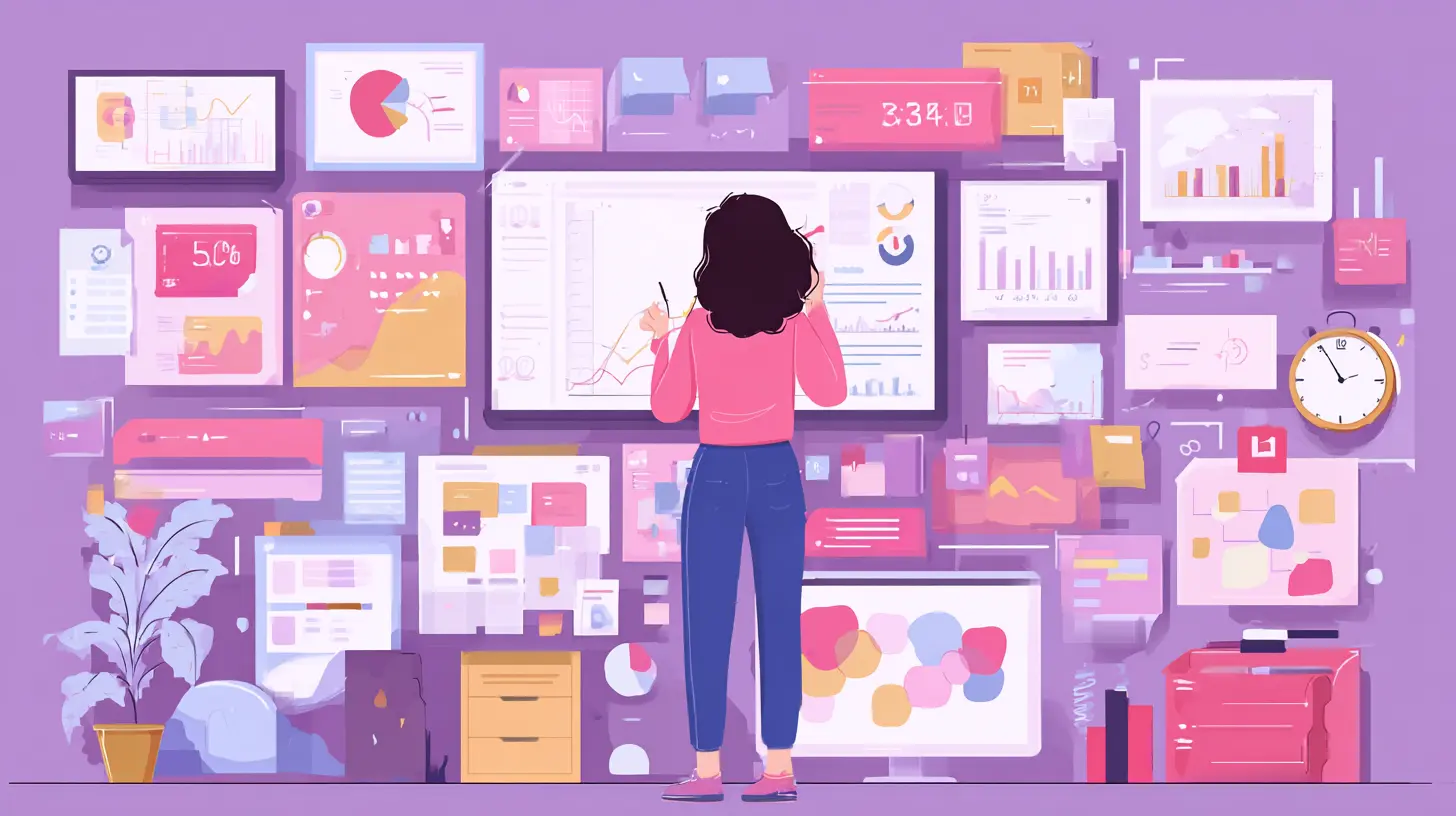
Playful Productivity: Gamification Gets a Grown-Up Glow-Up
Gamification today often feels like a patronizing pat on the head— “You finished a task! Have a badge!” By 2026, it will be more sophisticated, meaningful, and, dare we say, fun.Meaningful Metrics & Narrative Progress
Instead of just points, tools will create productivity narratives. Completing a complex project won’t just tick a box; it might “unlock” a visual story of your project’s journey, showing the challenges overcome and the impact created. Your weekly review could be presented as a personalized “newsletter” of your accomplishments, with witty commentary from your AI sidekick.Teams could embark on collaborative “quests” (major projects) with shared milestones and rewards that are actually valuable, like an extra company-wide day off or a team experience. The psychology shifts from checking off chores to feeling like you’re on an engaging, collective mission.
The Demise of the Tyranny of the "Done" List
The future understands that busyness ≠ productivity. Tools will increasingly focus on outcome-based tracking. Instead of measuring how many emails you sent, they’ll help you track progress toward meaningful goals: “Moved key project toward launch,” “Resolved client’s core issue,” “Generated three viable new ideas.” They’ll help you say “no” to tasks that don’t align with outcomes, which is the ultimate productivity superpower.The Ethical Frontier: Privacy, Autonomy, and the Lazy Button
With great power (and great AI) comes great responsibility. The future of productivity tools is fraught with hilarious and serious questions.Who’s the Boss? You or the Algorithm?
What happens when your AI sidekick is too good? It schedules your life, prioritizes your work, and drafts your communications. Are you still the creative force, or are you just approving an AI’s output? The tools of the future will need transparent agency. You’ll need to understand why it made a suggestion. A “reasoning trail” toggle will be as important as a spell-check. We must avoid becoming passive passengers in our own work lives.The Privacy Paradox
For a tool to be truly context-aware, it needs data. A lot of data. The balance between ultra-personalization and creepy surveillance will be the defining battle. The winning tools of 2026 will be those that offer sovereign data control—clear, simple settings that let you decide what is shared, for what purpose, and for how long. Zero-trust architectures and on-device processing will become major selling points. Your productivity shouldn’t cost you your privacy.The Glorious "Lazy" Button
Perhaps the pinnacle of future productivity tech will be the humble, brilliant “Make Me a Summary” or “Handle This” button. A 50-email thread? One click for a concise summary with action items. A two-hour meeting recording? One click for transcripts, key decisions, and delegated tasks. It will offload the cognitive drudgery, freeing your brain for the stuff that actually requires a human touch: creativity, strategy, and empathy.So, what’s the grand vision for 2026 and beyond? It’s a shift from productivity as management to productivity as empowerment. The tools will fade into the background, becoming intuitive extensions of our will. They’ll handle the mundane, illuminate the path forward, and protect our time and mental energy.
We’re heading toward a world where you can finally close those 37 browser tabs with a clear conscience. The future isn’t about doing more things faster; it’s about doing the right things with more clarity and less stress. And maybe, just maybe, your tools will be witty enough to laugh with you when you finally achieve that elusive state: Inbox Zero. Now that’s a future worth working for.
all images in this post were generated using AI tools
Category:
Productivity AppsAuthor:

Pierre McCord
Discussion
rate this article
2 comments
Margaret Adams
Excited for the future! Can't wait to see innovative productivity tools in 2026!
April 23, 2026 at 5:25 AM
Pierre McCord
Thank you! The future is indeed promising, and I can't wait to share more insights on what's to come!
Charlotte Sawyer
“By 2026, will our productivity tools do our grocery shopping, too? Asking for lunch!”
April 17, 2026 at 2:34 AM