Exploring the Intersection of Art and Technology at Major Events
20 December 2025
We’re living in an age where the boundary between art and technology is becoming more blurred by the day. It’s not just that tech is influencing art—art is also shaping how we interact with technology. This fascinating crossover is nowhere more apparent than at major events, where creative minds and tech innovators come together to push the envelope of what’s possible.
Think of it as a giant sandbox where artists, developers, and engineers gather to experiment with new ways of expression. The result? Jaw-dropping installations, immersive experiences, and mind-bending performances that redefine both art and technology. In this article, we’ll dive deep into how these two worlds come together at some of the biggest events worldwide.
The Fusion of Art and Technology: An Age-Old Relationship
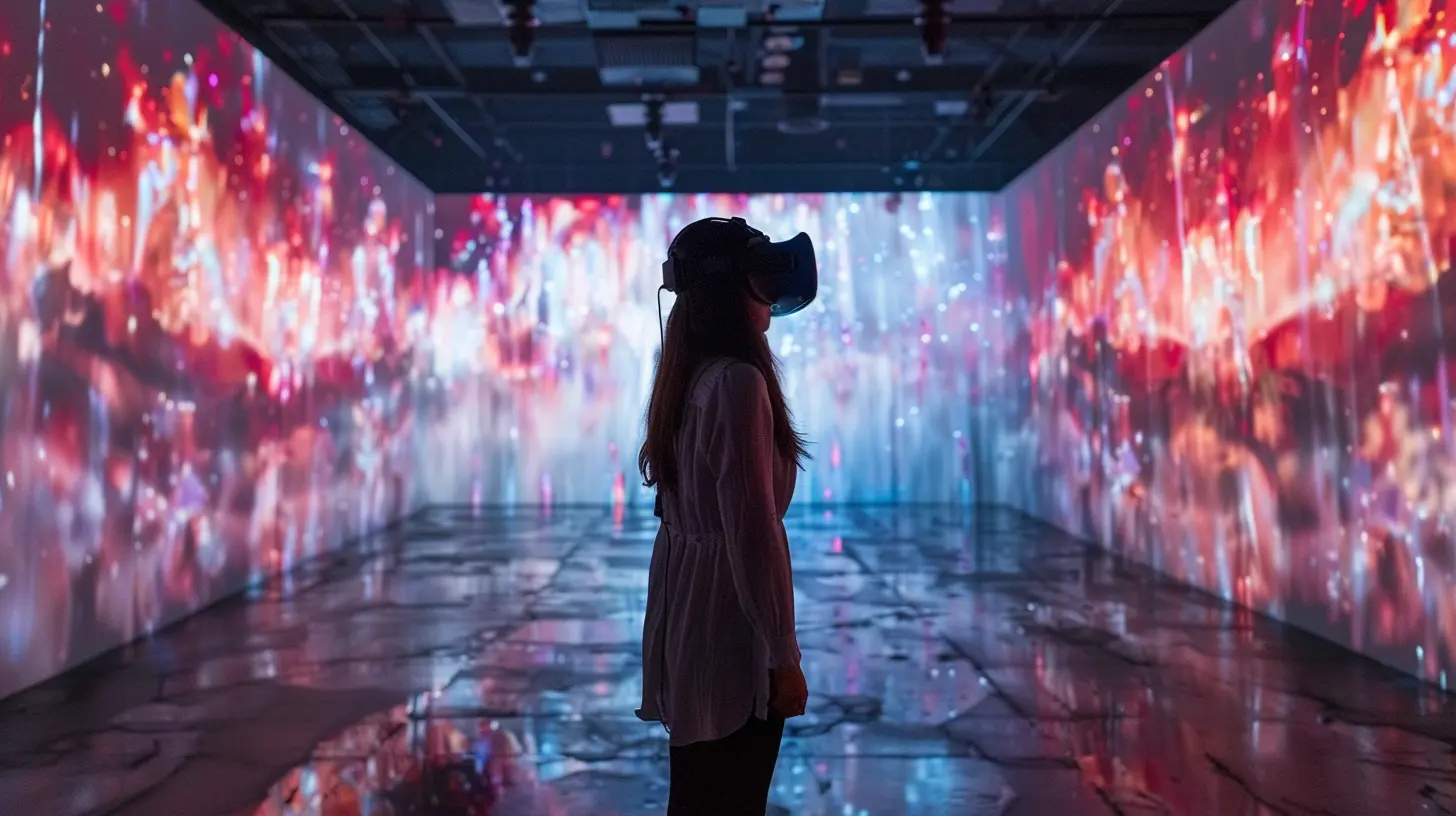
Believe it or not, the relationship between art and technology isn’t new. From the creation of the first camera to the rise of digital art, artists have always been early adopters of new tech. But what’s happening now at major events is something else entirely. We’re seeing an explosion of creativity fueled by advancements in artificial intelligence (AI), augmented reality (AR), virtual reality (VR), and more.Imagine this: walking into an event and being greeted by a massive digital sculpture that reacts to your movements in real-time, or slipping on a VR headset and being transported to a surreal world crafted by an artist’s imagination. These experiences are not just possible—they're becoming the norm.
Art as a Medium for Innovation
At its core, art is about pushing boundaries and exploring new ways of seeing the world. Technology, on the other hand, is about solving problems and making things possible that weren’t before. When these two forces combine, they create a powerful synergy that leads to some seriously groundbreaking work.Take AI-generated art, for example. At major events like festivals or exhibitions, we’re seeing AI systems that can analyze vast amounts of data and create original artwork in real-time. It’s not just about producing something visually stunning—the art itself becomes a conversation about the role of technology in creativity. Who’s the artist—the machine or the human who programmed it?
Major Events: The Playground for Art and Tech Synergies
When we talk about major events, we’re referring to everything from global tech conferences like CES (Consumer Electronics Show) to massive art festivals like Burning Man. These events serve as the perfect platforms for showcasing the latest innovations where technology and art meet head-on.CES: Where Gadgets Meet Aesthetics
CES is known as the place where the world’s latest gadgets are unveiled, but it’s also become a hotspot for creative installations that merge art and tech. Companies use art to showcase the capabilities of their technology in ways that are not only functional but also emotionally engaging.For instance, at CES, it’s not uncommon to find exhibits featuring interactive digital canvases that allow users to “paint” with light or sound. These exhibits blend advanced technology with artistic expression, creating an experience that’s not only informative but also awe-inspiring.
Burning Man: A Tech-Infused Artistic Utopia
On the flip side, you have events like Burning Man—a festival that’s more about art than tech, but where technology is increasingly taking center stage. Every year, artists and technologists collaborate to create mind-boggling installations in the middle of the Nevada desert. These are no ordinary art pieces; many of them incorporate robotics, LED lighting, and even AI.Take the colossal kinetic sculptures that move autonomously or the immersive light shows that respond to music and human interaction. Burning Man has become a proving ground for high-tech art, where creators are free to experiment without the constraints of the traditional art world.
Art Basel: When The Fine Art World Embraces Tech
Even prestigious art fairs like Art Basel are jumping on the tech bandwagon. Digital art has become a growing trend, with artists using blockchain technology to sell their works as non-fungible tokens (NFTs). This has completely reshaped the way people think about art ownership and value.Imagine attending Art Basel and watching as a digital painting evolves in real-time, based on live data feeds from around the world. This isn’t science fiction—it’s happening now. Artists are using technology to challenge traditional concepts of what art is, how it's created, and how it’s consumed.
Interactive Installations: Capturing the Audience's Imagination
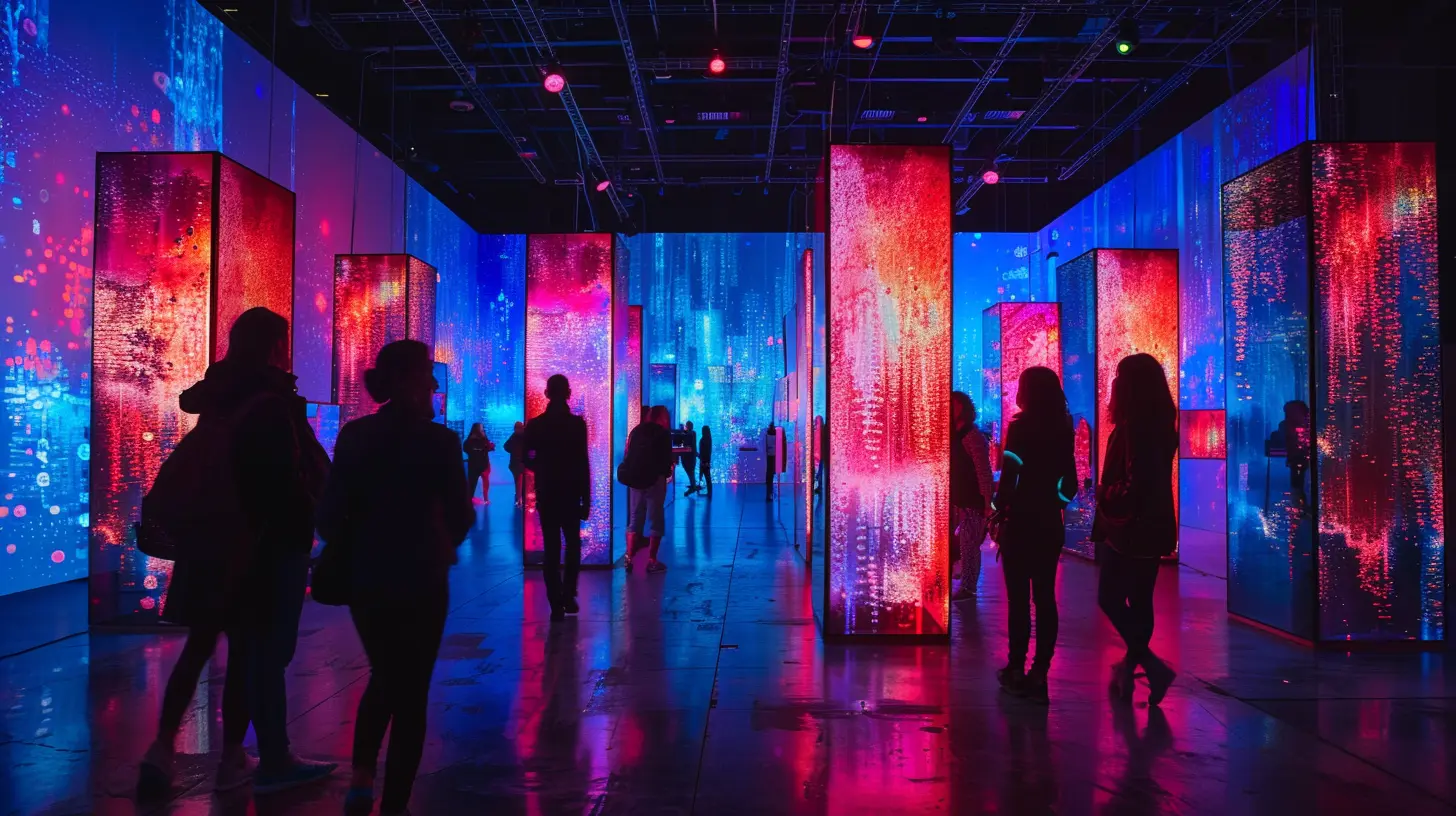
One of the most exciting developments at the intersection of art and technology is the rise of interactive installations. These aren’t your typical “look but don’t touch” pieces. Instead, they invite the audience to become part of the artwork itself.AR and VR: Immersive Art on a New Level
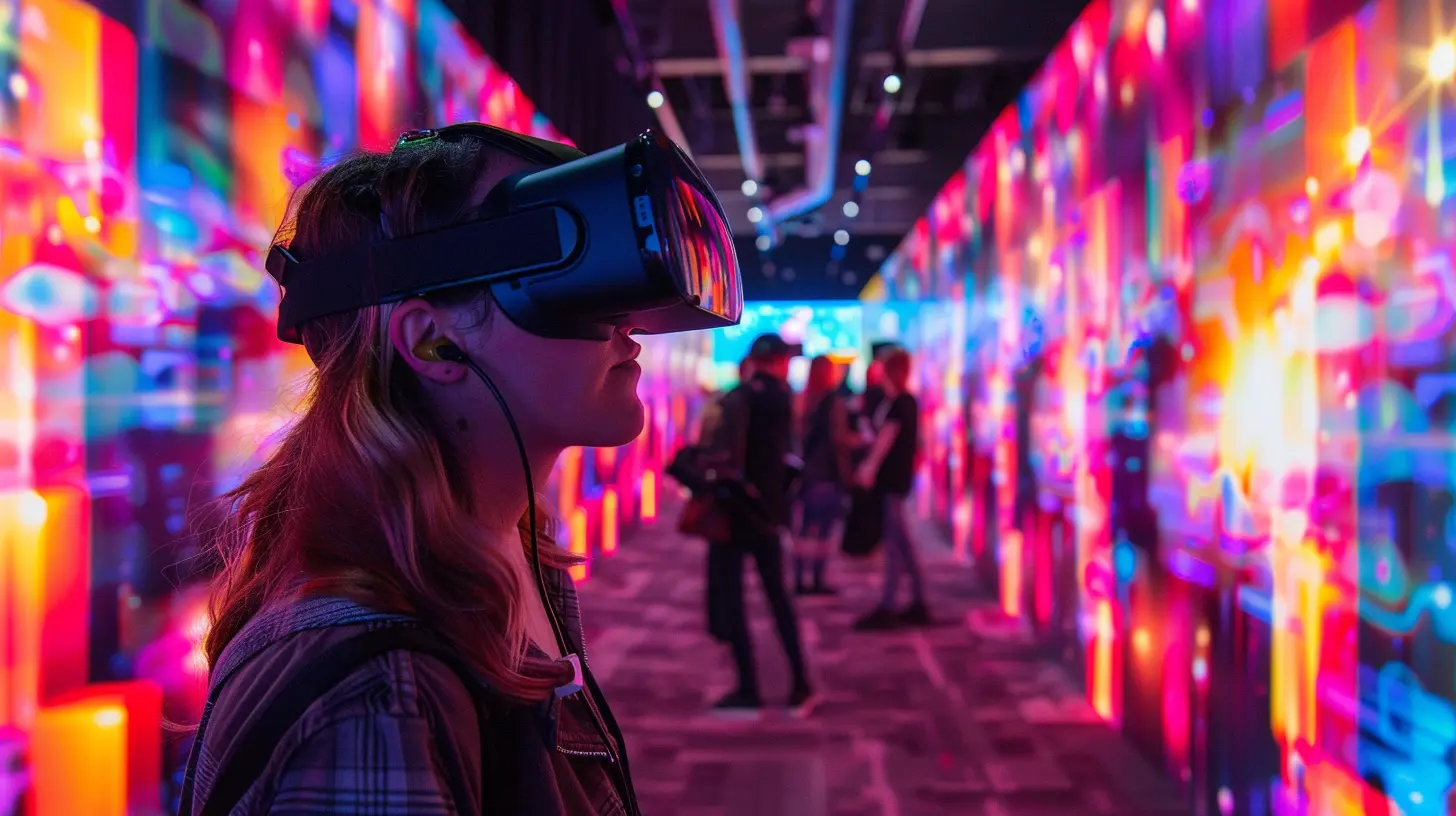
Augmented reality (AR) and virtual reality (VR) have opened up a whole new world of possibilities for artists. At events like Sundance Film Festival and the Venice Biennale, we’re seeing more and more VR experiences where the line between viewer and participant is completely erased.Imagine stepping into a VR experience where you can walk through a painter’s studio, pick up a virtual brush, and contribute to the artwork yourself. Or using an AR app at a music festival that transforms your surroundings into a living, breathing canvas. These experiences make you feel like you’re not just watching art—you’re living it.
Interactive Light and Sound Installations
Light and sound installations have been a staple of major art events for years, but with advancements in technology, they’re becoming more immersive and interactive than ever. Using motion sensors, AI algorithms, and even biometric data, these installations can change based on the movements, emotions, or even the heartbeats of the audience.Take for instance the “Pulse” series by artist Rafael Lozano-Hemmer, showcased at various art and tech events. The installation uses biometric sensors to capture participants' heartbeats and project them as waves of light and sound. The result is an intimate and deeply personal experience where technology amplifies human emotion.
Bridging the Gap Between Physical and Digital Worlds
One of the most fascinating aspects of the art-tech intersection is how it’s blurring the line between the physical and digital worlds. Thanks to advancements in 3D printing, AI, and AR, artists can now create physical manifestations of digital art—and vice versa.Digital Art in Physical Spaces
At events such as SXSW (South by Southwest) and Ars Electronica, we’re seeing digital art move beyond the screen and into the real world. Artists are using 3D printers to create sculptures based on digital designs, while others are using AR to overlay digital elements onto physical spaces.For instance, imagine walking through a gallery where you hold up your phone and suddenly see layers of digital artwork appear on the walls. This blend of physical and digital not only enhances the viewer’s experience but also challenges our understanding of what art is and where it exists.
NFTs: The Rise of Blockchain Art
We can’t talk about the intersection of art and technology without mentioning NFTs. While NFTs have sparked a lot of debates in the art world, there’s no denying that they’re changing how artists create, sell, and distribute their work.At major events like NFT.NYC, artists, collectors, and tech enthusiasts gather to explore the potential of blockchain technology. Artists are now able to create digital works that are verifiably unique, thanks to blockchain. And collectors are snapping up these works, sometimes for millions of dollars.
NFTs are not just about making money—they’re also empowering artists to maintain control over their creations in ways that were never possible before. This is a seismic shift that’s disrupting traditional art markets and giving rise to a new kind of digital art culture.
What’s Next for the Art-Tech Intersection?
As technology continues to evolve, the possibilities for collaboration between art and tech are endless. We’re already seeing artists experiment with new mediums like AI-generated music, bio-art (art made from living organisms), and even quantum computing.Looking ahead, it’s clear that major events will continue to be a crucial platform for showcasing these innovations. Whether it’s through immersive installations, VR experiences, or blockchain-based art, the intersection of art and technology is only going to get more exciting.
Final Thoughts
In a world where technology is advancing at a breakneck pace, it’s easy to forget that art has always been there, evolving alongside it. Major events have become the ultimate showcase for this dynamic relationship, offering a glimpse into what’s possible when creativity meets innovation. Whether you’re an artist, a tech enthusiast, or just someone who enjoys mind-blowing experiences, there’s never been a more exciting time to explore the intersection of art and technology.all images in this post were generated using AI tools
Category:
Tech EventsAuthor:
Pierre McCord
Discussion
rate this article
2 comments
Wilder Smith
Art and technology together redefine experiences, challenging perceptions and fostering deeper emotional connections.
December 30, 2025 at 4:28 AM
Pierre McCord
Absolutely! The fusion of art and technology not only transforms experiences but also deepens our emotional engagement, reshaping how we perceive and interact with the world around us.
Silas McTier
Art and technology are revolutionizing major events, creating immersive experiences that engage audiences like never before. This intersection is the future of creativity.
December 20, 2025 at 4:55 PM
Pierre McCord
Absolutely! The fusion of art and technology is indeed reshaping how we experience events, offering innovative and engaging ways to connect with audiences. This evolution is a thrilling glimpse into the future of creativity.