Exploring the Role of Augmented Reality in Console Gaming
22 December 2025
Augmented Reality (AR) is no longer just a futuristic concept—it's here, and it's shaking things up in the gaming world. From turning your living room into a digital battlefield to bringing characters right into your space, AR is taking console gaming to a whole new level. But what exactly is AR in console gaming? How is it changing the way we play? And where is this tech taking us next? Buckle up because we’re about to dive into all of that and more.
What Is Augmented Reality in Gaming?
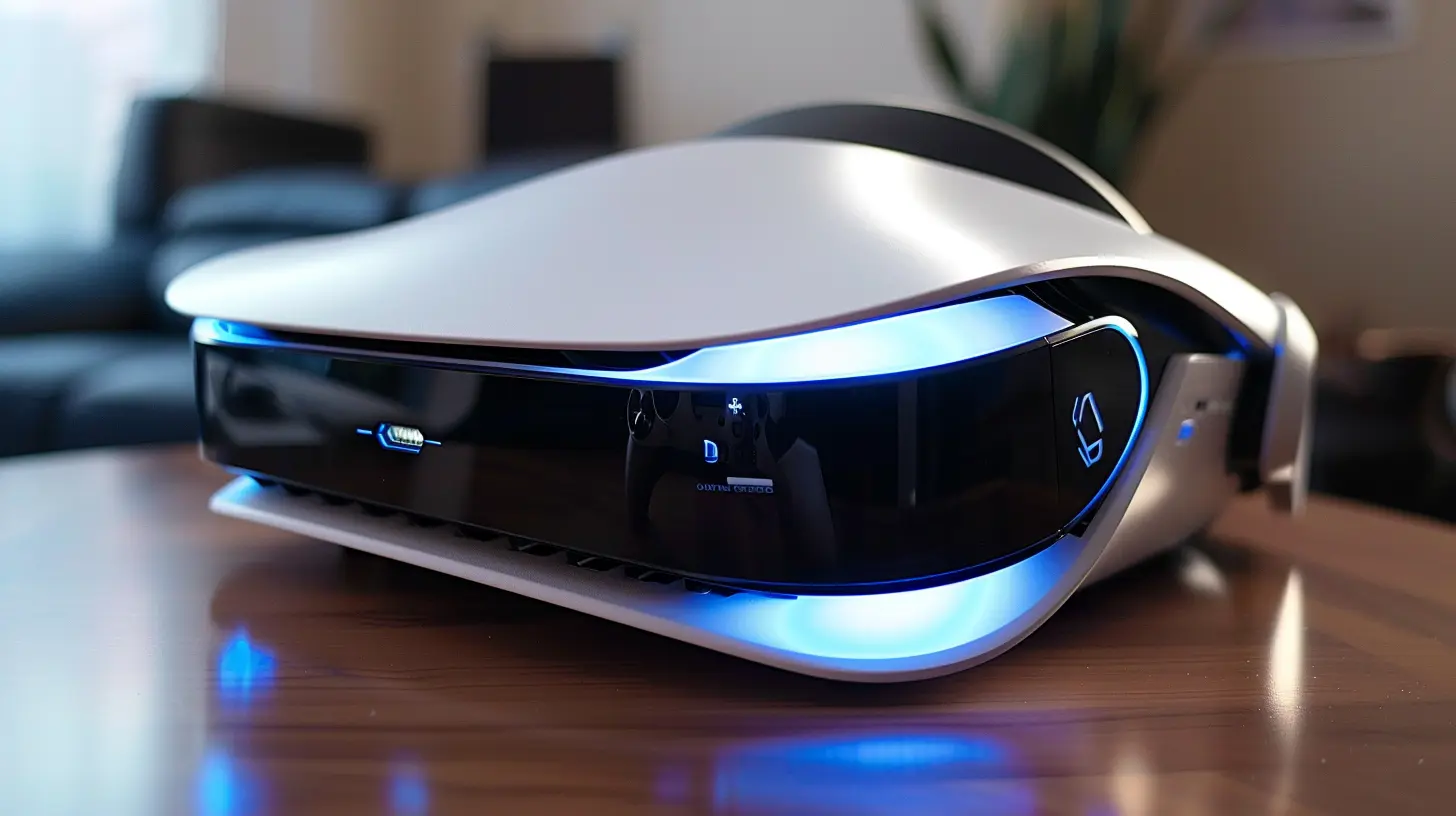
Before we go any further, let’s clear this up—what even is augmented reality? Unlike Virtual Reality (VR), which completely immerses you in a digital world, AR blends the real and digital. It overlays digital objects onto your physical environment, enhancing what you see through your screen.Remember when Pokémon GO had people running around cities, chasing virtual creatures in real-world locations? That’s AR in action. But while mobile games have had some great AR experiences, console gaming is where things are getting really interesting.

The Evolution of AR in Console Gaming
AR in gaming isn’t something new. In fact, we've seen glimpses of it over the years with different consoles attempting to integrate AR in unique ways.- PlayStation’s EyeToy (2003) – This was one of the earliest attempts at AR in console gaming. Using a camera, the EyeToy allowed players to interact with on-screen elements in a very basic way.
- Nintendo’s AR Cards (2011) – With the launch of the Nintendo 3DS, AR cards brought animated characters and mini-games into a player’s environment through the handheld’s camera.
- PlayStation VR and AR Games (2016–present) – While primarily focused on VR, PlayStation implemented AR elements in some games, blending the real and digital in new ways.
But these were just the stepping stones. The real AR revolution in console gaming is happening now.
How AR is Changing Console Gaming
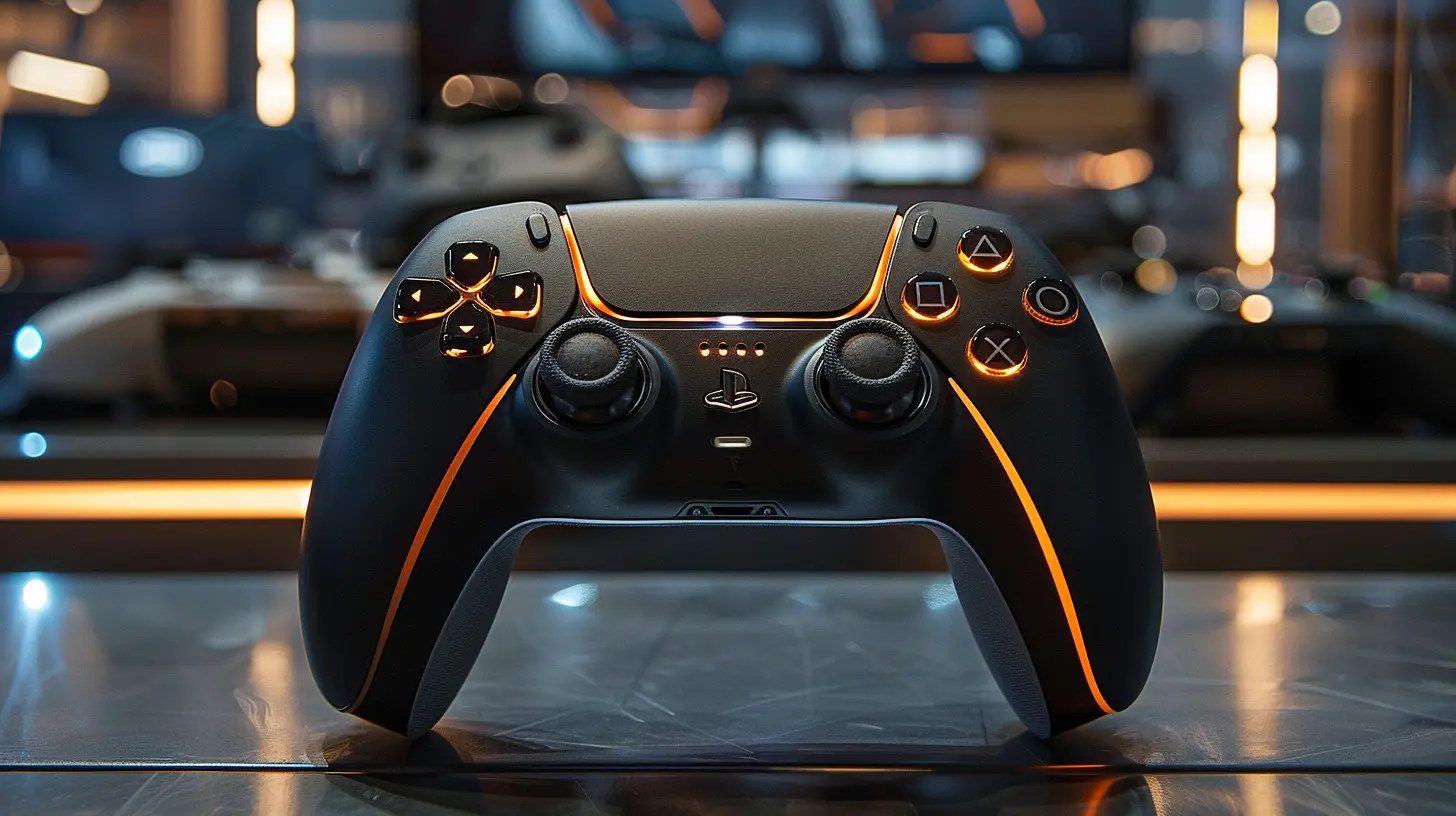
So, how exactly is AR reshaping console gaming? Let’s break it down.1. More Immersive Gameplay
AR brings a whole new level of immersion. Instead of just controlling a character on-screen, AR lets you physically move around and interact with the game world in real-time. Imagine battling aliens that appear in your actual living room or solving puzzles that blend into your real-world surroundings. It’s no longer just about "playing"—it’s about experiencing the game.2. Expanding Interactive Storytelling
Games aren’t just about beating levels; they’re about telling stories. AR makes storytelling more dynamic by pulling the player into the narrative. Instead of watching cutscenes, imagine if the game’s characters appeared in your environment, reacting to your movements and decisions in real-time. That’s next-level immersion.3. Bringing Multiplayer to the Next Level
Multiplayer games already connect people across the world, but AR makes it even more interactive. Picture this—you and your friends place down virtual game pieces in real life, like a high-tech board game. Or, better yet, imagine battling each other in a game where you're physically dodging attacks inside your own home. AR makes multiplayer feel more real and personal than ever before.4. Blurring the Line Between Gaming and Reality
The beauty of AR is that it bridges the gap between the virtual and the real world. Unlike traditional gaming, where you sit and stare at a screen, AR encourages physical movement and interaction. It makes gaming a full-body experience—literally. Think about how fitness and gaming already overlap (Wii Fit, Ring Fit Adventure, etc.), and now imagine AR pushing that even further.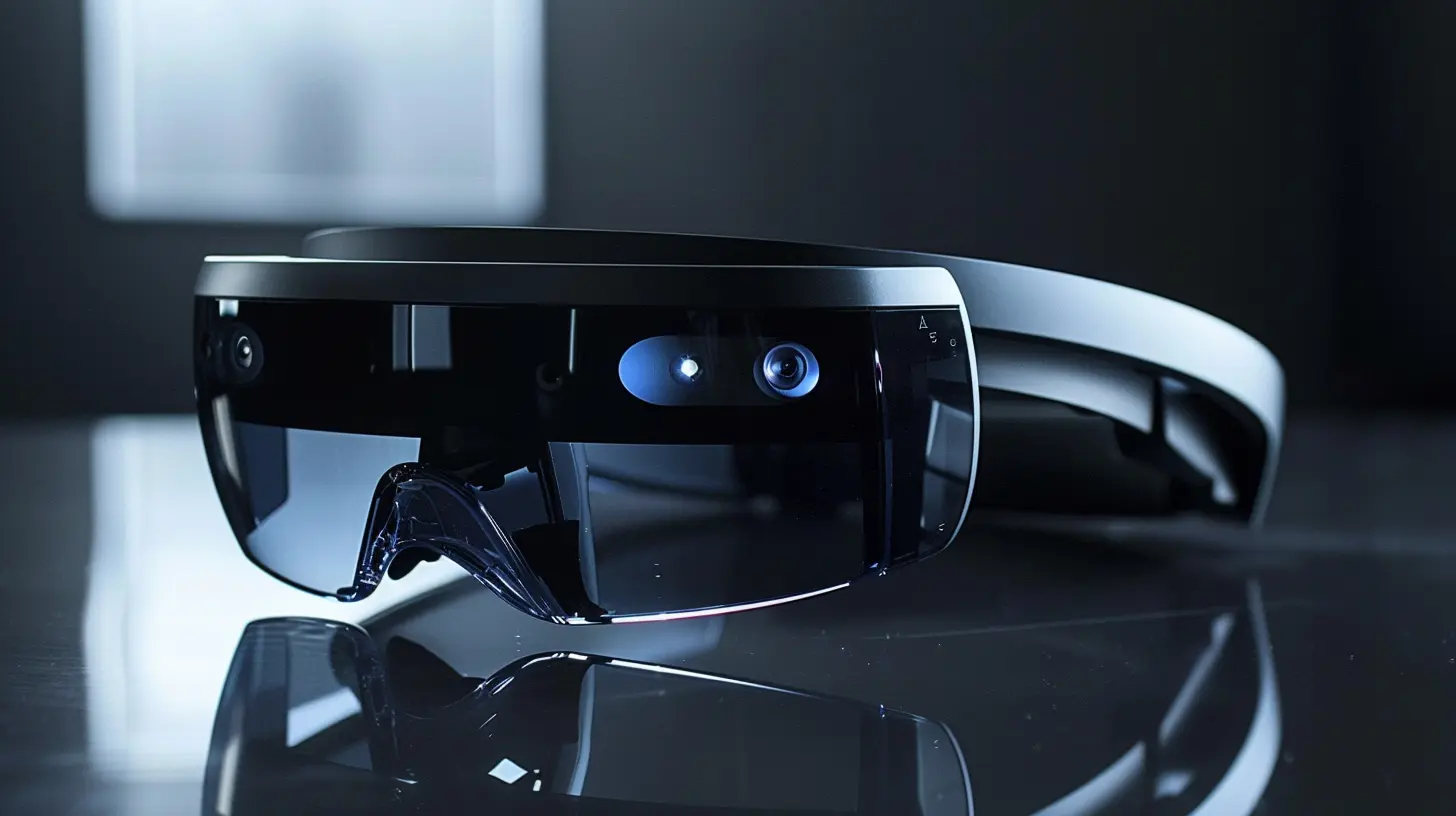
Challenges Facing AR in Console Gaming
Of course, it's not all sunshine and rainbows. AR in console gaming still has some major hurdles to overcome.1. Hardware Limitations
For AR to work seamlessly, consoles need powerful hardware. Processing real-world environments in real time while integrating digital elements isn’t easy. Currently, AR headsets and cameras aren’t widespread in console gaming, meaning developers either have to rely on existing tech (like PlayStation’s camera) or wait for better, more affordable hardware.2. Cost Issues
Let’s be honest, gaming isn't cheap, and neither is AR. High-quality AR experiences often require additional hardware, which means more money out of the player’s pocket. Developers also need to invest heavily in AR technology, making it a risky financial bet.3. Limited Game Library
Right now, AR games are still a niche. We’ve seen great experiments, but there’s yet to be that one massive AR-driven console game that truly blows everyone away. Until developers fully commit to AR, the choices for console gamers will remain limited.The Future of AR in Console Gaming
So, where do we go from here? AR is still in its early days in console gaming, but the potential is insane.1. AR-Enabled Consoles
One of the biggest game-changers would be consoles designed with AR in mind. Imagine a future PlayStation or Xbox that comes with built-in AR capabilities—maybe even AR headsets or smart glasses right out of the box. This could make AR gaming more mainstream.2. Fully Interactive AR Worlds
Right now, most AR games offer a limited experience, but the future could bring entire AR-powered game worlds. Think about something like Skyrim, but instead of exploring a fictional landscape on your TV, it appears throughout your house, with dragons flying above your ceiling and quests unfolding in your own backyard.3. AI-Powered AR Gaming
We’re already seeing AI make waves in gaming, and combining it with AR could be game-changing. AI could create adaptive AR experiences, dynamically generating enemies, challenges, and NPC interactions based on your surroundings and playstyle.4. Haptic Feedback and AR Integration
Haptic feedback is already making gaming more immersive, but integrating it with AR? That’s next level. Imagine feeling the impact of an in-game explosion in real life through haptic gear or a controller that vibrates when you interact with an AR object.
Final Thoughts: Is AR the Future of Console Gaming?
AR isn't just a gimmick—it’s the future. Sure, there are challenges, but the technology is evolving fast. As hardware improves, costs go down, and developers take more risks, AR could become a massive part of console gaming.Imagine a world where games don’t just happen on your screen but all around you. That’s the kind of experience AR promises, and honestly? It’s an exciting future to look forward to.
all images in this post were generated using AI tools
Category:
Gaming ConsolesAuthor:

Pierre McCord
Discussion
rate this article
2 comments
Camille Cummings
Augmented reality is poised to revolutionize console gaming by blending immersive experiences with the physical world. As developers innovate, we can expect more interactive gameplay and enhanced storytelling, redefining the gaming landscape.
January 8, 2026 at 6:04 PM
Pierre McCord
Thank you for your insights! Indeed, augmented reality has the potential to transform console gaming by creating unique and engaging experiences that bridge the digital and physical worlds.
Maribel McLaughlin
Exciting possibilities await with AR in gaming!
December 31, 2025 at 4:31 AM
Pierre McCord
Absolutely! AR has the potential to transform gameplay experiences and immerse players like never before.