How Graphics Cards are Powering the Future of Virtual Reality
9 January 2026
Virtual reality (VR) has come a long way from its early days of clunky headsets and limited applications. Today, it's revolutionizing gaming, education, healthcare, and even professional training. But what’s driving this incredible evolution? The unsung hero behind it all is the graphics card—the powerhouse responsible for rendering immersive, life-like VR environments.
Without high-performance GPUs (Graphics Processing Units), virtual reality would be nothing more than a pixelated dream. Let’s dive deep into how graphics cards are shaping the future of VR and why they are more important than ever.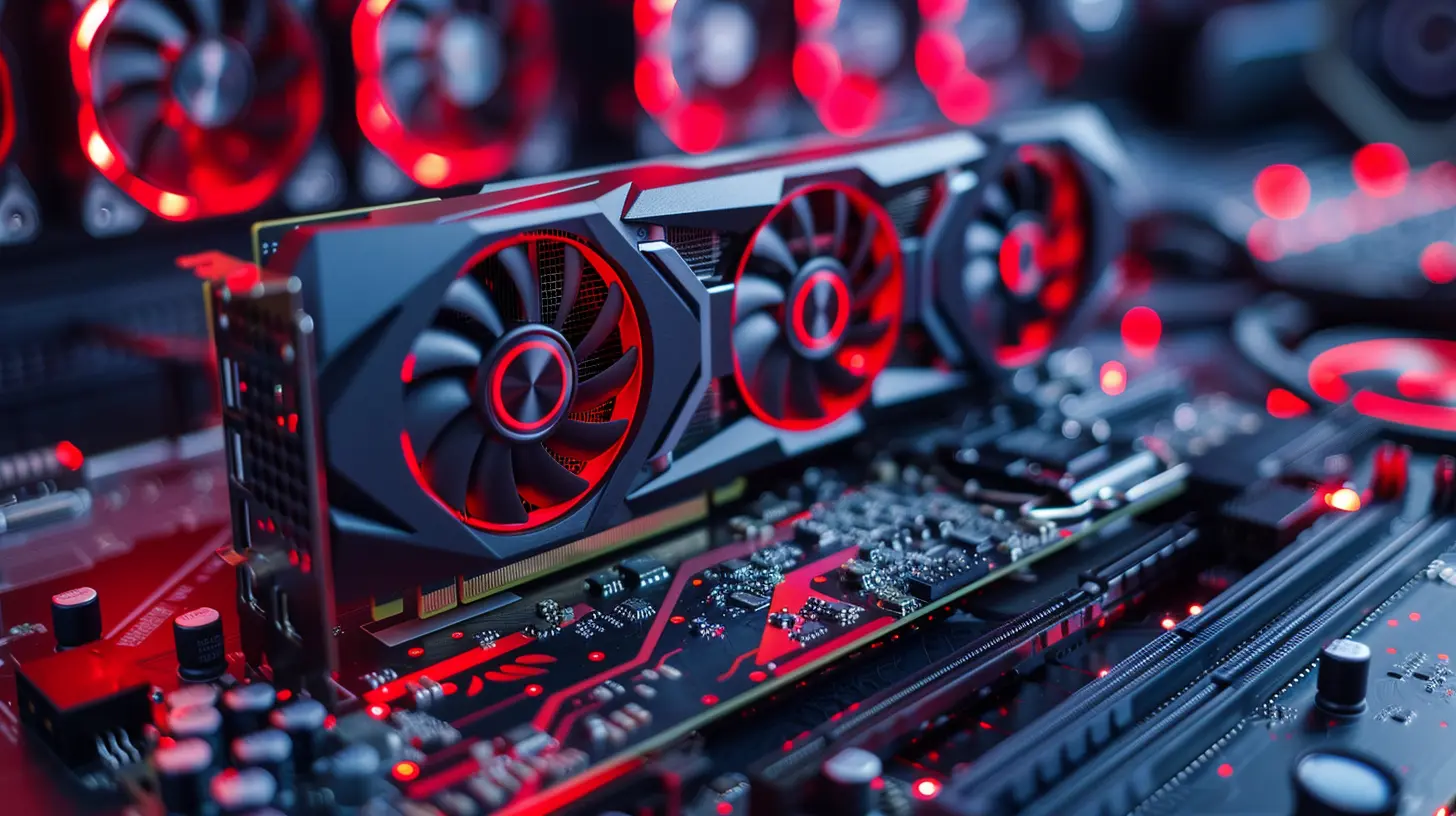
The Role of Graphics Cards in Virtual Reality
At its core, VR is all about immersion. The goal is to make you feel like you're stepping into another world, where every movement and interaction feels natural. But achieving this level of realism requires serious graphical horsepower.A GPU is responsible for rendering high-resolution images, processing complex textures, and ensuring smooth motion without lag or stuttering. Since VR requires stereoscopic rendering—meaning it has to generate two images at once (one for each eye)—the demands on a GPU are even higher than standard gaming.
A weak GPU leads to choppy frame rates and motion sickness, completely breaking the immersive experience. On the flip side, a powerful GPU ensures fluid and responsive gameplay, making virtual worlds feel real.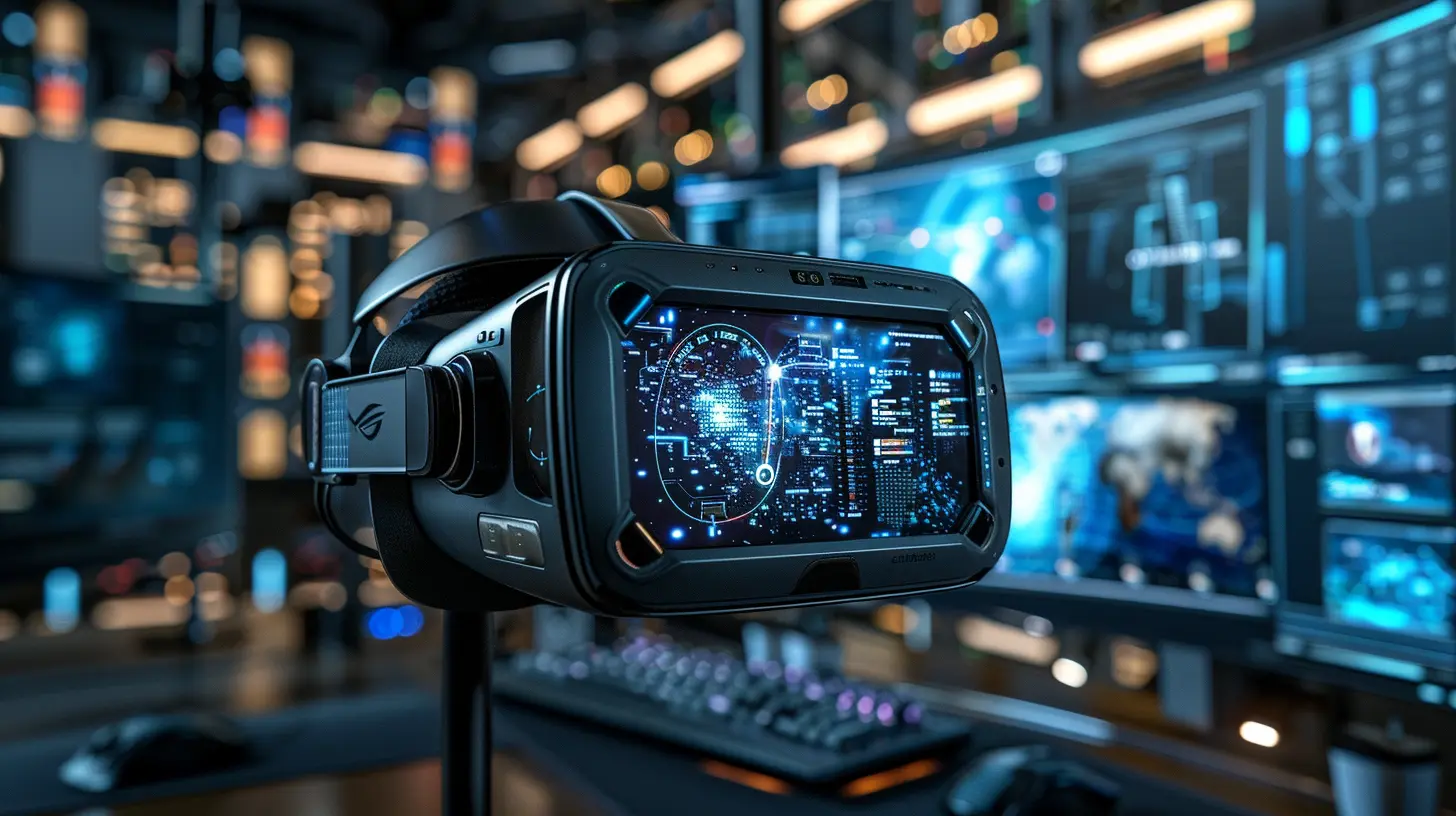
Why VR Demands So Much from GPUs
1. Ultra-High Frame Rates
For a smooth VR experience, a high frame rate is crucial. While traditional gaming can be enjoyable at 60 frames per second (FPS), VR requires at least 90 FPS (with some headsets demanding 120Hz or higher). If the GPU can’t keep up, the result is motion blur, jittering, and even nausea—something no one wants from their VR session.2. Higher Resolutions
Unlike a regular monitor, VR headsets need to render images at extremely high resolutions to avoid the "screen door effect" (where you can see individual pixels). Modern VR headsets like the Meta Quest 3, Valve Index, and HTC Vive Pro 2 require GPUs capable of handling 4K and even 8K resolutions. The higher the resolution, the more workload for the GPU.3. Real-Time Rendering & Ray Tracing
VR isn't static—every movement changes what you see in real-time. This means GPUs must perform heavy real-time rendering, calculating lighting, shadows, reflections, and textures instantly. With the advent of ray tracing technology, GPUs can now create even more realistic lighting and reflections, making VR environments incredibly lifelike.4. Latency Reduction
Latency—the delay between your real-world movement and the display updating—can make or break the VR experience. A GPU must minimize this as much as possible to maintain immersion. High-end GPUs use techniques like asynchronous reprojection and variable rate shading to ensure real-time responsiveness.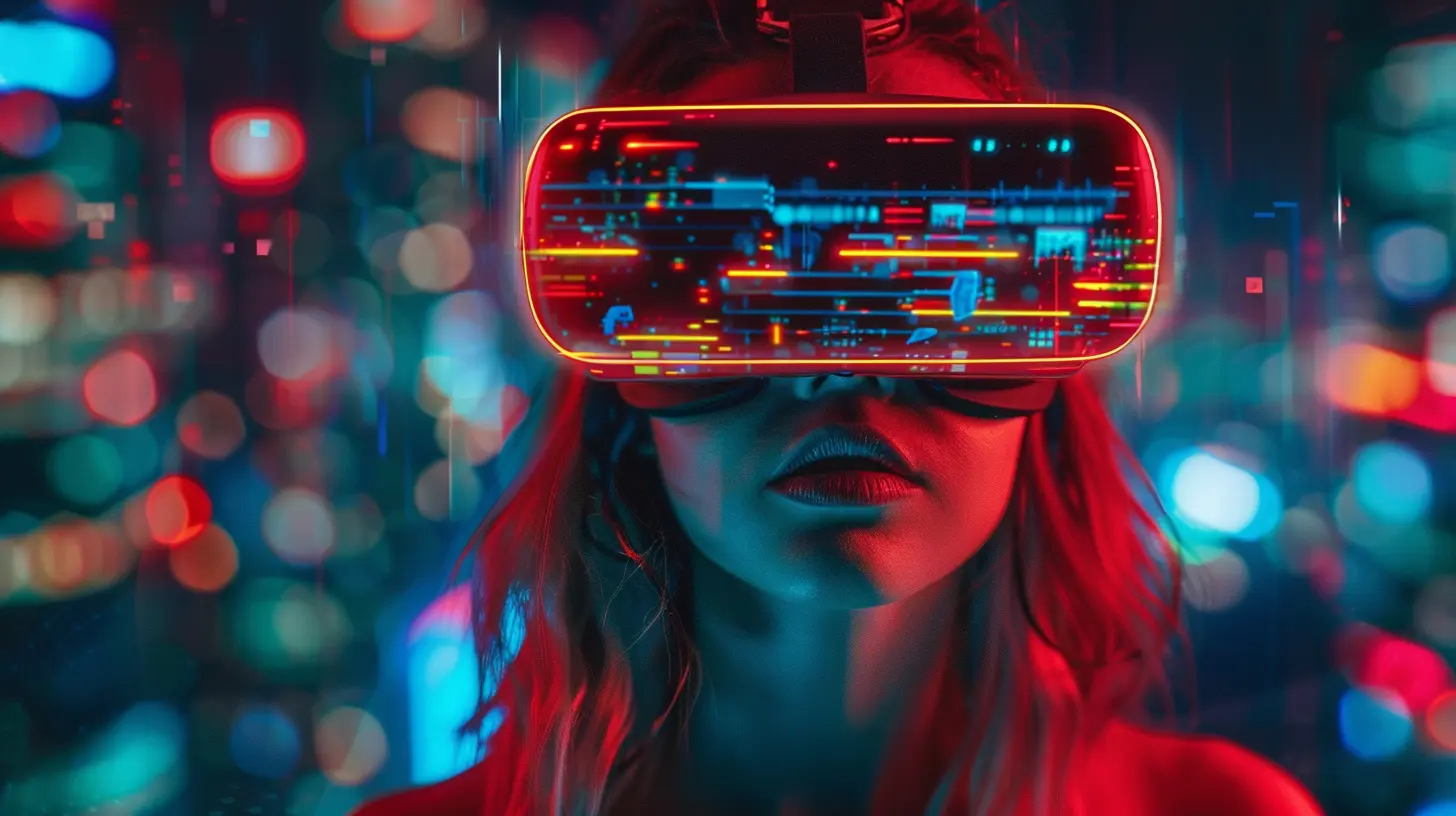
Next-Gen Graphics Cards and Their Impact on VR
The latest generations of GPUs, such as NVIDIA's RTX 40-series and AMD's Radeon RX 7000-series, are tailored to meet the growing demands of VR. These GPUs feature:- AI-based upscaling (DLSS and FSR) – Helping boost performance without sacrificing quality.
- Dedicated ray tracing cores – Delivering realistic lighting and shadows.
- Higher VRAM – Preventing texture bottlenecks in high-resolution VR games.
- PCIe 4.0 and 5.0 support – Ensuring faster data transfer speeds for smoother performance.
With these advancements, VR experiences are becoming increasingly detailed, fluid, and immersive.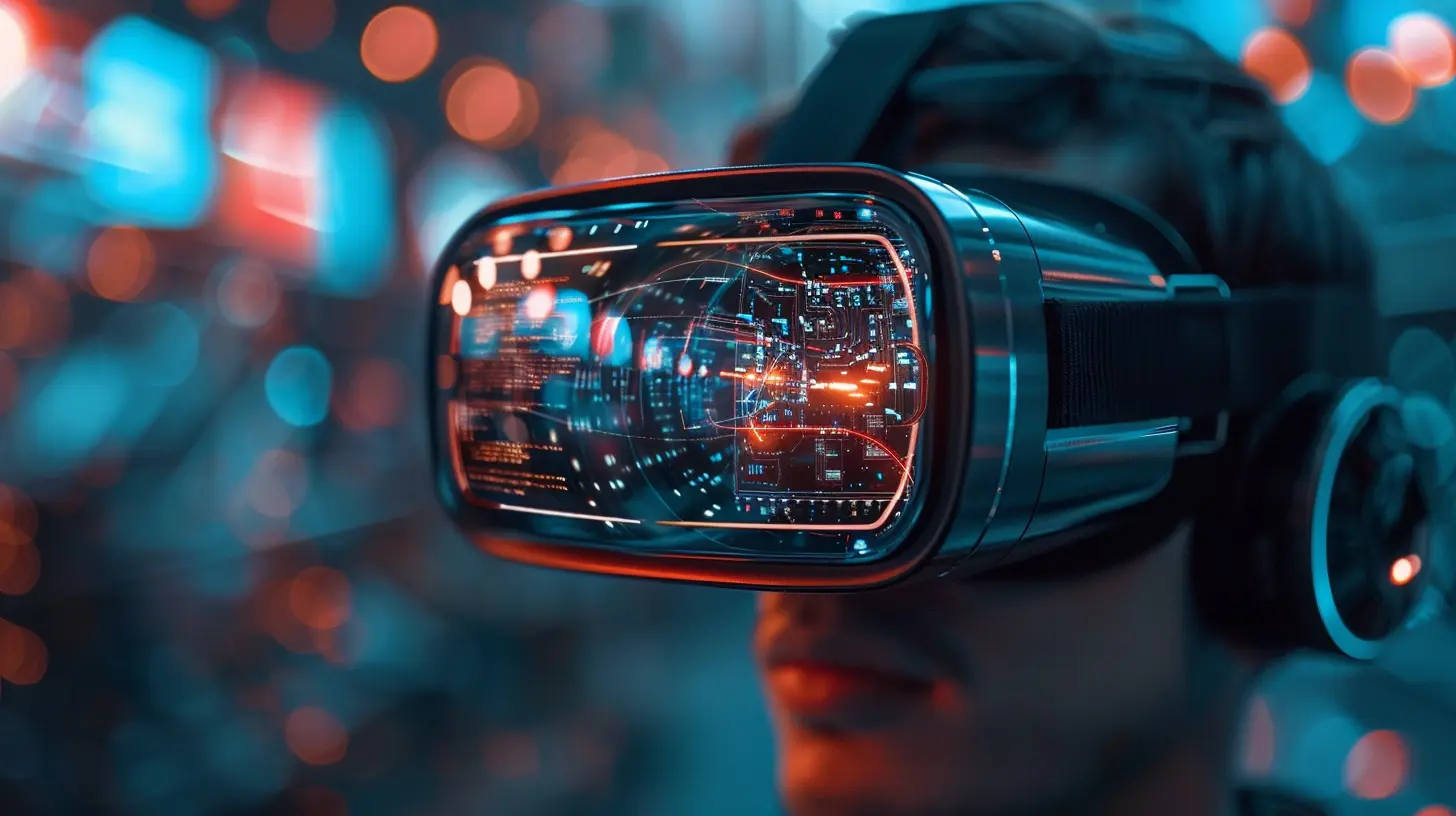
How VR Graphics Cards Are Changing Industries
Gaming may be the most obvious use case for VR, but GPUs are influencing far more than just entertainment.1. Medicine & Healthcare
VR is being used for surgical simulations, helping doctors practice complex procedures before performing them on real patients. This wouldn't be possible without powerful GPUs to render detailed 3D anatomy in real time.2. Education & Training
From firefighting to military operations, VR is providing realistic training environments. Flight simulators powered by high-end GPUs allow pilots to practice maneuvers without risking real-world consequences.3. Architecture & Design
Architects and designers are using VR walkthroughs to visualize buildings before construction begins. With ray tracing-enabled GPUs, they can experience lifelike lighting, materials, and even weather effects.4. Virtual Workspaces & Social VR
With the rise of Metaverse platforms like Meta Horizon and VRChat, GPUs are powering virtual offices, meetings, and social experiences. The more realistic and smooth these experiences become, the closer we get to truly working in VR.Challenges and the Future of VR Graphics Cards
While GPUs have come a long way, we’re still facing some roadblocks before achieving true, seamless VR.1. Heat and Power Consumption
High-end GPUs consume a lot of power and generate significant heat, requiring sophisticated cooling solutions. Companies are working on more energy-efficient architectures to keep VR systems running cooler and quieter.2. Price Barriers
Top-tier GPUs don't come cheap. For VR to be accessible to more people, we need affordable GPUs that still offer great performance. NVIDIA and AMD are already working on budget-friendly options like the RTX 4060 and RX 7600.3. Wireless and Cloud-Powered VR
Most VR experiences today rely on wired connections for high-speed data transmission. However, cloud-based rendering could change everything. In the future, 5G and AI-driven cloud GPUs might allow users to experience ultra-realistic VR without needing a powerful PC.The Bottom Line
Graphics cards are the beating heart of virtual reality, making the difference between a choppy, nausea-inducing experience and one that feels like stepping into another dimension. As GPU technology advances, we’re inching closer to a world where VR becomes indistinguishable from reality.Whether you're a gamer, designer, doctor, or just an enthusiast, the future of VR is powered by the innovations happening in graphics processing. And if current trends are anything to go by, we're just getting started.
all images in this post were generated using AI tools
Category:
Graphics CardsAuthor:

Pierre McCord
Discussion
rate this article
2 comments
Susan McCloud
Great article! The connection between advanced graphics cards and immersive virtual reality is fascinating. It would be interesting to see a section on how future GPU developments might further enhance VR experiences or expand accessibility for users.
January 18, 2026 at 5:44 PM
Pierre McCord
Thank you for your feedback! Future GPU advancements will indeed play a crucial role in enhancing VR experiences and improving accessibility. I'll consider adding that perspective in future pieces!
Nolan McFee
Graphics cards are undeniably the backbone of the virtual reality revolution. Their immense processing power and advanced capabilities are driving immersive experiences that were once purely theoretical. As technology continues to evolve, we can expect even more groundbreaking applications and innovations powered by these essential components in the VR landscape.
January 9, 2026 at 4:09 PM
Pierre McCord
Thank you for highlighting the crucial role of graphics cards in advancing virtual reality! Their power indeed fuels the immersive experiences that shape the future of this technology.