How SaaS Tools Are Transforming Remote Work in 2026
24 April 2026
Let’s be honest for a second: remote work in 2020 felt like a frantic game of digital Jenga. We were all scrambling to balance Zoom fatigue, clunky project management boards, and the eternal question of whether “reply all” was a war crime. Fast forward to 2026, and the landscape has shifted completely. SaaS tools aren’t just making remote work possible anymore—they’re making it better. Smarter. More human.
If you’re still relying on the same old stack from four years ago, you’re basically driving a horse-drawn carriage on a highway. The transformation is real, and it’s happening right now. In this article, I’ll walk you through exactly how SaaS tools are reshaping remote work in 2026—not with buzzwords, but with practical, actionable insights you can use today.
The Shift from “Digital Presence” to “Digital Presence of Mind”
Remember when remote work was all about being “visible”? You had to ping your manager every hour, keep your Slack status green, and respond to emails within 30 seconds or risk being labeled a slacker. That era is dead. In 2026, SaaS tools have evolved from simple communication platforms into intelligent ecosystems that measure outcomes, not activity.Think of it this way: In 2020, we were using digital tools like a pair of binoculars—just trying to see what everyone was doing. In 2026, we’re using them like a GPS—guiding us to the destination without micromanaging every turn.
How does this work practically?
- Asynchronous-first platforms like Twist and Loom have replaced real-time chat for non-urgent matters. You don’t need to be “on” all the time. You record a quick video, drop it in a thread, and move on. The recipient watches it when they’re in flow.- Outcome-based dashboards now integrate with your calendar, email, and project tools to show what got done, not how many hours you spent staring at a screen. Tools like Time Doctor and Toggl have pivoted to “flow analytics”—they tell you when you’re most productive and when you need a break.
This shift reduces burnout. It respects your time. And it’s powered entirely by SaaS.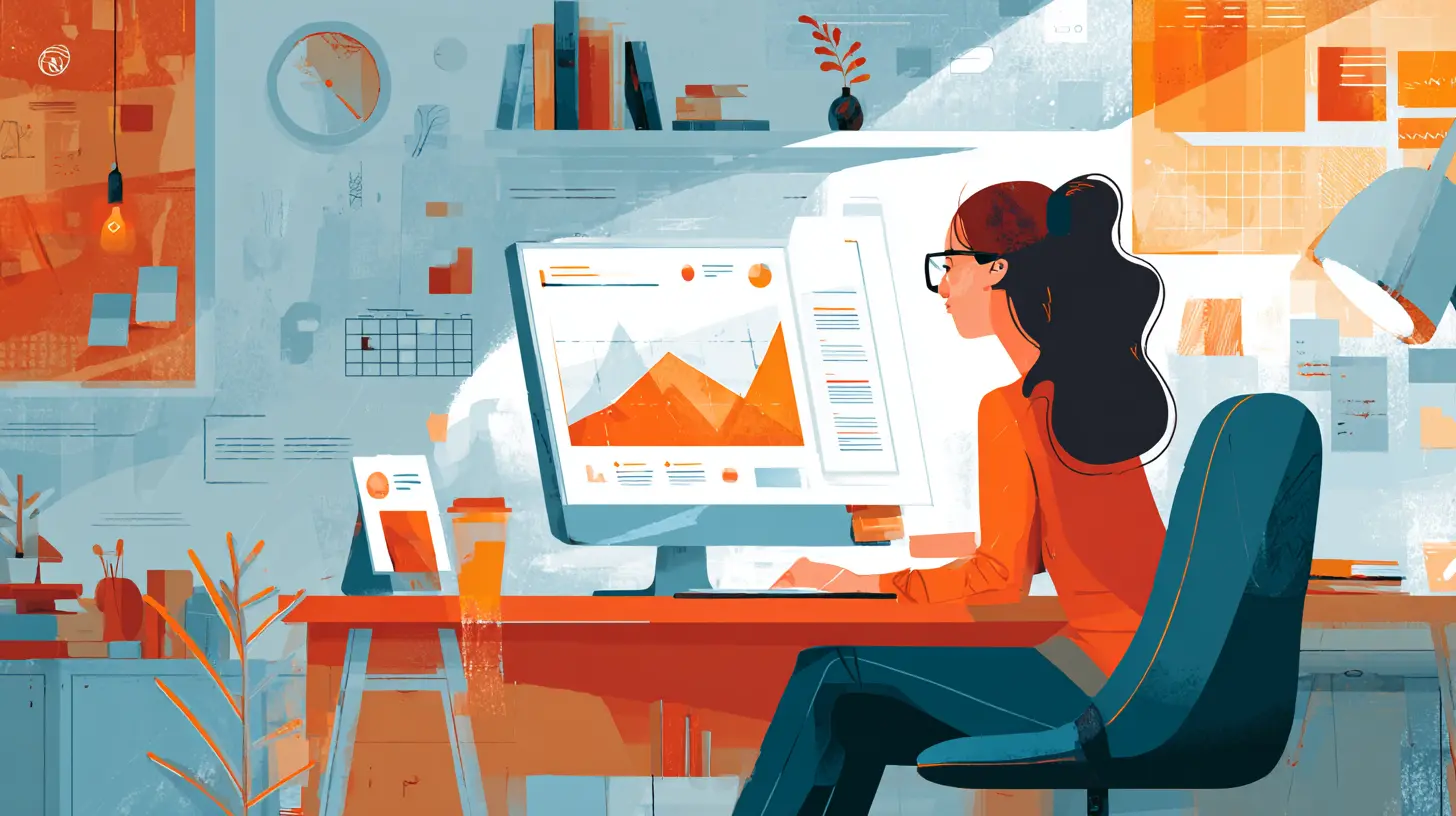
The Rise of “Ambient Collaboration” Tools
Here’s a question: What’s the one thing remote workers miss most about the office? Nine times out of ten, it’s not the coffee machine or the fluorescent lighting. It’s the serendipity—those random conversations by the water cooler that spark ideas. In 2026, SaaS tools are finally solving for that.Enter ambient collaboration platforms like Around and SpatialChat. These aren’t your typical video calls. They create virtual spaces where you can “drop in” on a colleague, hear their background noise, and start a conversation without scheduling a meeting. It’s like having a virtual office floor plan where you can see who’s free, who’s deep in focus, and who’s just chilling.
Why does this matter?
- Burstiness in communication—those unpredictable, high-energy interactions—is what drives innovation. SaaS tools now simulate that by allowing “proximity chat.” You can walk over to a colleague’s virtual desk, tap their shoulder (digitally), and ask a quick question.- No more Zoom fatigue. These tools use spatial audio, so conversations feel natural. You can move away from a group to have a private chat, just like in real life.
In 2026, your SaaS stack isn’t just a bunch of apps—it’s a living, breathing office that adapts to your energy levels.
AI-Powered Personal Assistants: Your Digital Clone
Let’s talk about the elephant in the room: AI. By 2026, it’s not a novelty—it’s a necessity. But here’s the twist: The best SaaS tools don’t replace you; they augment you. Think of AI as your personal assistant who never sleeps, never complains, and never asks for a raise.What does this look like?
- Meeting summarization is now standard. Tools like Otter.ai and Fireflies.ai don’t just transcribe—they extract action items, assign them to team members, and even suggest follow-up emails. You can skip a meeting entirely and get a 2-minute digest.- Smart scheduling has evolved beyond “find a time.” Tools like Calendly and Motion use AI to analyze your workload, energy levels, and deadlines. They automatically block focus time, schedule meetings during your peak hours, and reschedule conflicts before you even notice.
- Email triage is a thing of the past. SaaS tools like Superhuman and Milanote now use AI to prioritize emails based on sender importance, project urgency, and even your emotional state (yes, they can detect stress from your typing patterns).
The result? You spend less time on admin and more time on actual work. It’s like having a clone that handles the boring stuff while you focus on what matters.
The Death of the Monolithic “All-in-One” Suite
Five years ago, everyone wanted the “one tool to rule them all.” You know the ones—those massive platforms that promised to be your CRM, project manager, chat app, and document editor all in one. In 2026, we’ve realized that approach is like trying to use a Swiss Army knife to perform brain surgery. It works, but it’s messy.Instead, the SaaS landscape has embraced composable architecture. You pick best-in-class tools and connect them like Lego blocks. The magic happens through integrations and no-code automation.
How does this transform remote work?
- Zapier and Make (formerly Integromat) have become the backbone of remote teams. You can automate everything: new client leads automatically create tasks in Asana, send Slack notifications, and update your CRM—all without touching a button.- API-first tools like Notion, Airtable, and Linear let you build custom workflows that fit your exact needs. Want a dashboard that shows your team’s mood, project progress, and coffee consumption in one view? You can build it in 20 minutes.
- No more vendor lock-in. If a tool stops serving you, you swap it out without rebuilding your entire system. This flexibility is crucial for remote teams that need to pivot fast.
In 2026, the best SaaS stack is the one you design, not the one you inherit.
Remote Onboarding: From “Firehose” to “Gentle River”
Onboarding a new remote employee used to be a nightmare. You’d dump a hundred documents, 15 tool logins, and a calendar full of 30-minute “intro calls” on the poor soul. By week two, they’d be drowning in information and questioning their life choices. In 2026, SaaS tools have turned this into a seamless, almost enjoyable experience.What’s changed?
- Guided onboarding platforms like Talmundo and Enboarder use AI to create personalized journeys. New hires get tasks, videos, and documents delivered in bite-sized chunks based on their role, learning pace, and even their time zone.- Virtual buddy systems are now automated. Tools like Donut pair new hires with a “work buddy” for casual chats, and the AI suggests topics based on shared interests or projects.
- Shadowing is digital. Using tools like Screen and Tango, new hires can watch recorded workflows of experienced team members. They see exactly how tasks are done, with annotations and explanations. No more “just ask anyone” nonsense.
The result? New hires become productive in days, not months. And they actually feel welcomed, not overwhelmed.
Mental Health and Well-Being: The New SaaS Frontier
Here’s a hard truth: Remote work can be lonely. In 2026, SaaS tools are finally addressing this head-on. It’s not just about productivity anymore—it’s about humanity.How are tools helping?
- Mood tracking has become a standard feature in project management tools like Monday.com and ClickUp. Team members can anonymously share how they’re feeling, and the tool suggests interventions—like a team break, a 1-on-1 chat, or a day off.- Virtual wellness platforms like Calm for Business and Headspace for Work integrate directly with your calendar. They schedule micro-breaks, guided meditations, and even “focus music” sessions based on your workload.
- Burnout detection is a real thing. AI algorithms in tools like RescueTime and Clockify analyze your work patterns—late-night emails, back-to-back meetings, skipped breaks—and send alerts. Some even automatically block access to work apps after a certain hour.
This isn’t just nice-to-have. It’s a competitive advantage. Teams that prioritize well-being retain talent. And in 2026, talent is the only thing that matters.
Security and Trust: The Invisible Foundation
Let’s be real: Remote work opens up a Pandora’s box of security risks. In 2026, SaaS tools have made security invisible but bulletproof. You don’t have to think about it—it just works.Key innovations:
- Zero-trust architecture is now baked into tools like Okta and Cloudflare Access. Every access request is verified, even from within the network. Your laptop gets stolen? No problem. The thief can’t access anything.- AI-driven threat detection monitors unusual behavior—like a login from a strange location or a sudden download of 100 files—and blocks it instantly. Tools like Darktrace and CrowdStrike operate in the background, quietly protecting you.
- Device management has become effortless. Jamf and Kandji allow IT admins to enforce policies, wipe devices, and deploy updates remotely. Your team can work from a coffee shop in Bali without compromising security.
The bottom line? Trust is the currency of remote work. SaaS tools in 2026 earn that trust by being secure by design.
The Future Is Already Here (And It’s SaaS-Powered)
So, what’s the takeaway? In 2026, remote work isn’t just about where you work—it’s about how you work. SaaS tools have transformed from simple utilities into intelligent partners that amplify your strengths, protect your well-being, and connect you with your team in ways that feel almost magical.Are there still challenges? Absolutely. No tool can replace genuine human connection. But the gap is closing fast. The best remote teams in 2026 aren’t the ones with the most apps—they’re the ones who use their apps intentionally. They automate the mundane, celebrate the human, and build systems that adapt to their needs, not the other way around.
If you’re still using the same stack from 2022, it’s time for an upgrade. The tools are out there. The transformation is happening. The only question is: Are you ready to embrace it?
all images in this post were generated using AI tools
Category:
Saas ToolsAuthor:

Pierre McCord
Discussion
rate this article
2 comments
Elidi Chapman
Great insights on the evolving landscape of remote work! The role of SaaS tools in enhancing collaboration and productivity is truly transformative. I look forward to seeing how these trends develop in the coming years.
April 29, 2026 at 5:04 AM
Pierre McCord
Thank you! I'm glad the insights resonated. The pace of change is only accelerating—exciting times ahead for remote collaboration.
Romina West
As we embrace 2026, SaaS tools are not just enhancing remote work; they are reshaping our understanding of collaboration and productivity. By facilitating seamless communication and automating routine tasks, these innovations empower teams to focus on creative problem-solving, ultimately fostering a more agile and resilient workforce in a rapidly changing landscape.
April 26, 2026 at 4:22 AM