Mastering Low Light Photography: Best Gear for Stunning Shots
5 December 2025
Ever taken a photo in low light and ended up with a blurry mess? Or maybe you’ve tried to capture the perfect sunset or a glowing cityscape at night, but the results looked like abstract art (and not the good kind)? You're not alone. Low light photography can be tricky, even for seasoned shooters, but here's the good news — with the right gear and a little know-how, you can take gorgeous, tack-sharp shots in less-than-ideal lighting. Let’s break it all down.
Why Low Light Photography is a Whole Different Beast
Most cameras love light — that’s just how sensors work. The more light available, the easier it is to capture detail, color, and clarity. But as the sun sets or when you step indoors, the game changes. Suddenly, you’re dealing with longer shutter speeds, higher ISO noise, and the struggle to keep images crisp without a flash.But don’t sweat it. Low light doesn’t mean low quality — it just means you need to be smarter about your gear and settings. Think of it like cooking with limited ingredients. With a sharp knife (aka a fast lens) and a solid recipe (technique), you can still make a five-star meal (or photo, in this case).
Let’s dive into the tools that’ll get you there.
Cameras That Crush It in Low Light
Not all cameras are created equal when the sun goes down. Some have sensors that light up the night better than others. Here’s what you should look for:1. Full-Frame Sensors are Your Best Friend
Full-frame cameras generally outperform crop-sensor ones in low light. Why? Because a larger sensor means bigger pixels, and bigger pixels can soak up more light. It’s like using a bigger bucket to catch rain.Top Picks:
- Sony A7S III – This one is a low-light monster. With its 12.1MP sensor, it may not seem like much in the megapixel department, but each pixel is massive and gobbles up light like a pro.- Canon EOS R6 – Stellar noise performance and outstanding image stabilization make it an excellent choice for handheld night shots.
- Nikon Z6 II – Great dynamic range and a wide ISO sensitivity range make it perfect for dim environments.
2. Mirrorless vs. DSLR: Who Wins?
Mirrorless cameras have come a long way — and in many cases, they outperform traditional DSLRs in low-light scenarios. Why? Faster autofocus in the dark, quieter operation, and in-body image stabilization (IBIS) make them ideal for nighttime adventures.That said, DSLRs like the Nikon D850 or Canon 5D Mark IV still hold their own if you're into the optical viewfinder life.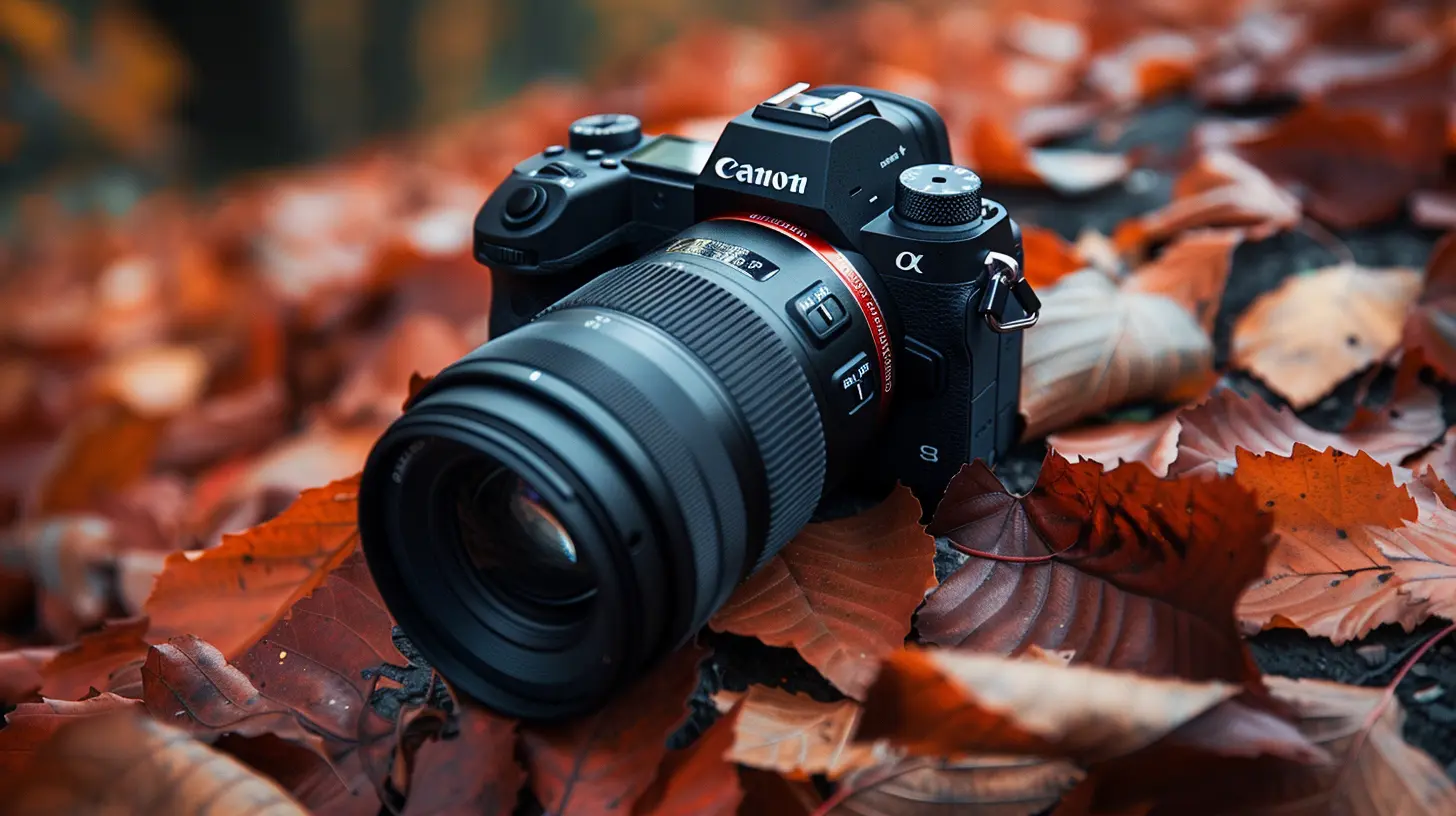
Lenses that Light Up the Dark
A camera is only as good as the glass in front of it. When light is scarce, faster lenses (those with wider apertures) become your best ally.1. Prime Lenses Over Zooms
Prime lenses often have wider apertures, like f/1.4 or even f/1.2. This means more light hits your sensor, which is exactly what you want.Low Light Lens All-Stars:
- 50mm f/1.8 ("Nifty Fifty") – Cheap, fast, and a killer in low light.- 85mm f/1.4 – Perfect for portraits in dim settings.
- 35mm f/1.4 – Great for street and landscape night photography.
Why does aperture matter so much? Think of it like your eye’s pupil. In the dark, your pupils dilate to let in more light. Fast lenses do exactly the same.
2. Image Stabilization in Lenses
Some lenses come with built-in stabilization, which helps reduce blur when shooting handheld. It's like having a virtual tripod in your lens. Pair that with a camera body that has IBIS, and you’ve got a match made in low-light heaven.
Tripods: The Unsung Hero of Low Light Photography
If you’re serious about mastering low light, don’t even think about skipping a tripod. When light is low, your shutter speed drops — and that means every tiny shake can ruin your photo.What to Look For in a Tripod:
- Sturdy – Don’t skimp on quality. You want balance and rigidity.- Lightweight (But Not Flimsy) – Carbon fiber is your friend here.
- Quick Setup – Let’s be real, you’re not going to use it if it’s a pain.
Top Tripod Picks:
- Manfrotto Befree Advanced – Travel-friendly and rock solid.- Peak Design Travel Tripod – Sleek and packs down small.
- Joby GorillaPod 5K – For flexible, on-the-go shooting, especially useful if you're balancing on weird surfaces.
Bonus tip: Use a remote shutter or timer to avoid camera shake when pressing the shutter button.
Light It Up: External Lighting and Accessories
Sometimes, you just need a little help from artificial light — especially when shooting portraits or subjects up close.1. Portable LED Panels
LED lights are a game-changer. They're small, bright, and adjustable.Try These:
- Aputure MC – Compact but powerful with customizable color temperature.- Godox LEDP260C – Great for larger scenes or video as well.
2. On-Camera Flash (But Make It Bounce)
Direct flash? Yikes. It’s harsh and flat. But if you learn to bounce it (off ceilings or walls), you can create soft, natural-looking light. Look for flash units like the Godox V1 or Canon Speedlite 600EX II-RT with tiltable heads.Game-Changing Accessories for Low Light Legends
1. Fast SD Cards
Low light photos are often raw, high-res, and massive. You don’t want to bottleneck your shots with a slow card. Look for cards with high write speeds (like UHS-II) to keep up with your camera's burst mode and buffers.2. Extra Batteries
Low light equals longer exposures equals more battery drain — especially for mirrorless shooters. Always carry a couple extras.3. Lens Hoods
They’re not just sunshades — lens hoods can help prevent lens flares from streetlights or headlights, which can ruin an otherwise epic night shot.Pro-Tips to Maximize Your Gear in Low Light
You’ve got the kit. Now let’s make sure you’re squeezing every ounce of performance out of it.1. Shoot in RAW
Always. No exceptions. RAW files retain way more data, which matters big time when you’re working with shadowy images in post-processing.2. Use Manual Focus
Autofocus can struggle in the dark. Switch to manual and use focus peaking (if your camera has it) to nail sharp subjects.3. Lower Your Shutter Speed (But Steady Now)
Long exposures are your friend, but only if your camera is stable — that's where your tripod earns its stripes.4. Raise Your ISO — But Know the Limits
Everyone fears ISO like it’s the boogeyman of noise. But modern sensors are crazy good at handling high ISOs. Don’t be afraid to push it; just check your camera’s limits and noise profile.Best Low Light Photography Kits for Every Budget
Let’s wrap up with some complete rig recommendations for different budgets:Budget Kit ($1,500 or less)
- Camera: Sony a6400- Lens: Sigma 30mm f/1.4 DC DN
- Extras: Manfrotto Compact Tripod, Aputure Amaran AL-M9 LED
Mid-Range Kit ($2,500 - $3,500)
- Camera: Nikon Z6 II- Lens: Nikkor Z 50mm f/1.8 S
- Extras: Peak Design Travel Tripod, Godox V1 Flash, Extra Batteries
Pro Kit ($5,000+)
- Camera: Sony A7S III- Lenses: Sony 24mm f/1.4 GM + Sony 85mm f/1.4 GM
- Extras: Aputure MC Lights x2, Peak Design Tripod, Multiple UHS-II SD Cards
Final Thoughts: Gear + Practice = Magic
Mastering low light photography isn’t just about dropping cash on gear — though yeah, that helps. It’s about understanding how light behaves, how your camera reacts to it, and how to tweak your settings to work with the environment instead of fighting it.So grab that camera, head out into the night, and embrace the shadows. Some of the most magical, mysterious, and mood-filled photos are waiting out there — you just need the right tools to catch them.
Happy shooting!
all images in this post were generated using AI tools
Category:
Camera GearAuthor:

Pierre McCord
Discussion
rate this article
2 comments
Juniper Snow
Great tips! Low light photography can be a challenge, but with the right gear, your shots will shine brighter than ever. Remember, every pro started somewhere, so keep experimenting and have fun! Can't wait to see the stunning images you'll create. Happy shooting! 📸✨
December 19, 2025 at 4:35 AM
Pierre McCord
Thank you! I appreciate your encouragement and insights. Happy shooting to you too! 📸✨
Rivera Cook
Illuminate shadows, capture magic with precision.
December 5, 2025 at 5:10 PM
Pierre McCord
Thank you! Capturing those magical moments in low light truly requires the right techniques and gear. Glad you enjoyed the article!