Renewable Energy Solutions for a Greener Planet
3 March 2026
It’s no secret that the world is facing some serious environmental challenges. Climate change, depleting resources, and pollution are just a few of the issues staring us in the face. But there’s hope on the horizon! Renewable energy solutions are stepping up to the plate, offering a cleaner, greener alternative to our traditional energy sources. Whether it’s harnessing the power of the sun, wind, or water, renewable energy is paving the way for a more sustainable future.
Now, let’s dive into the world of renewable energy and explore how it’s changing the game for both us and the planet.
What is Renewable Energy?
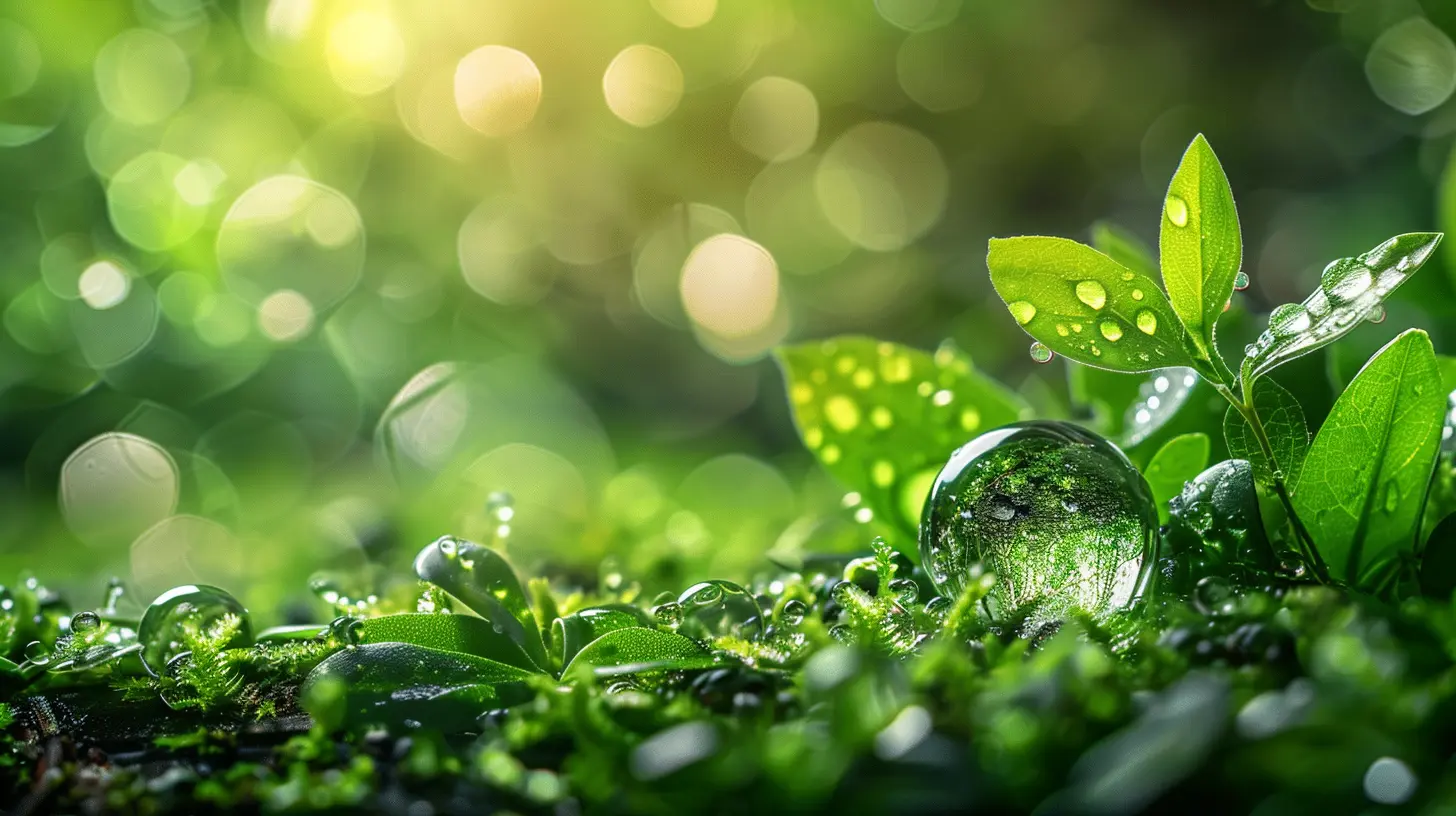
Before we get too far ahead of ourselves, let’s break it down: What exactly is renewable energy?Simply put, renewable energy comes from natural sources that are constantly replenished. Unlike fossil fuels (like coal, oil, and natural gas), which take millions of years to form and are limited in supply, renewable energy sources are virtually infinite. Think of it like this: while fossil fuels are the battery that eventually runs out, renewable energy is the never-ending power socket.
Some of the most common renewable energy sources include:
- Solar Energy
- Wind Energy
- Hydropower
- Geothermal Energy
- Biomass Energy
Each of these sources taps into natural processes to generate electricity, heat, or fuel without causing the same level of harm to the environment.
Why Do We Need Renewable Energy?
Alright, so why all the fuss about renewable energy? Why do we need it?The short answer: Our current energy habits are unsustainable.
Burning fossil fuels releases harmful gases like carbon dioxide (CO2) into the atmosphere. These gases trap heat, creating the infamous “greenhouse effect” that leads to global warming. If we keep relying on these dirty energy sources, we’re not only running out of fuel, but we’re also cooking the planet in the process.
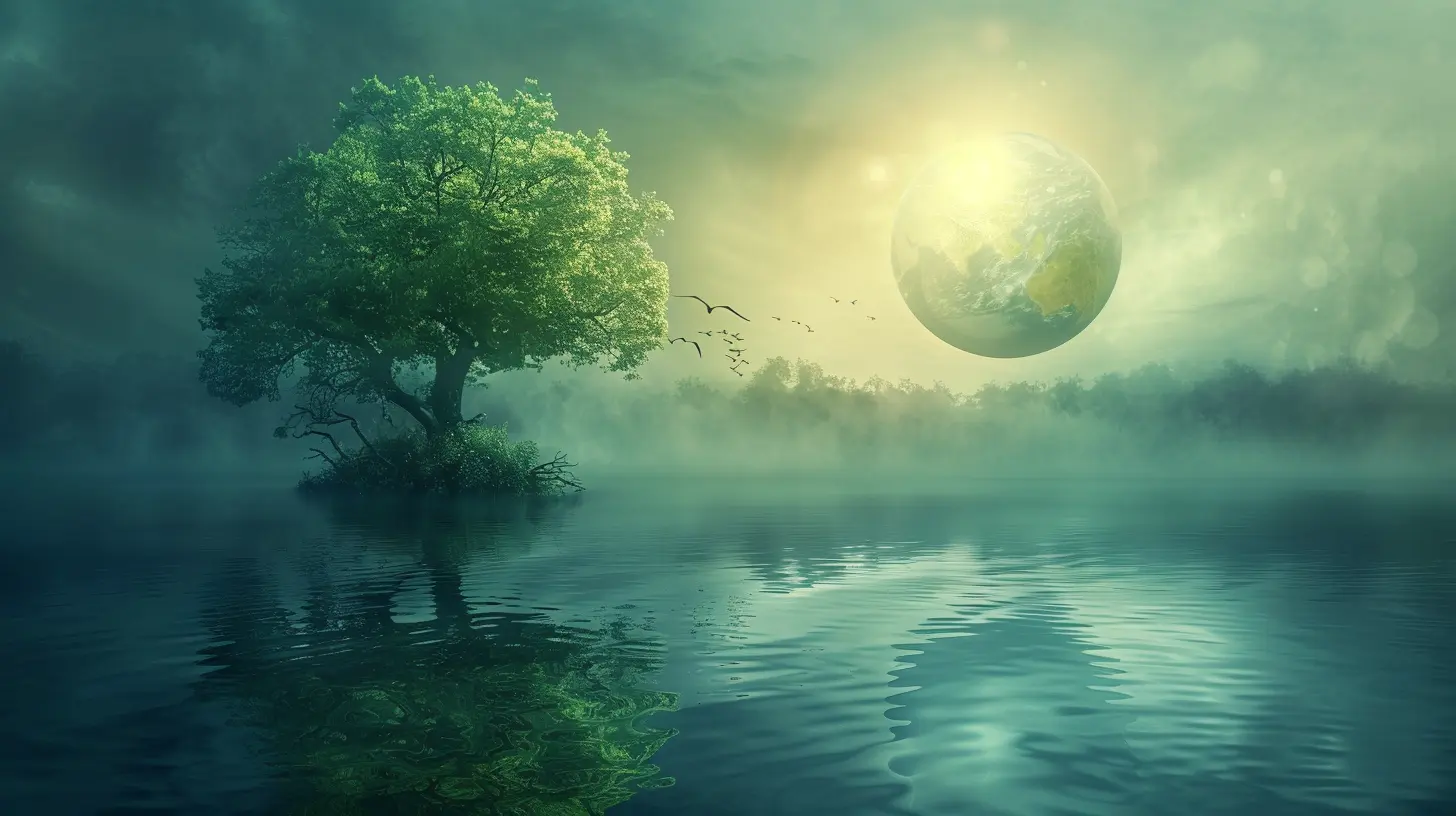
Renewable energy, on the other hand, produces little to no greenhouse gases and has a much lower environmental impact. In other words, it’s the eco-friendly option we desperately need to slow climate change, reduce pollution, and preserve our planet for future generations.
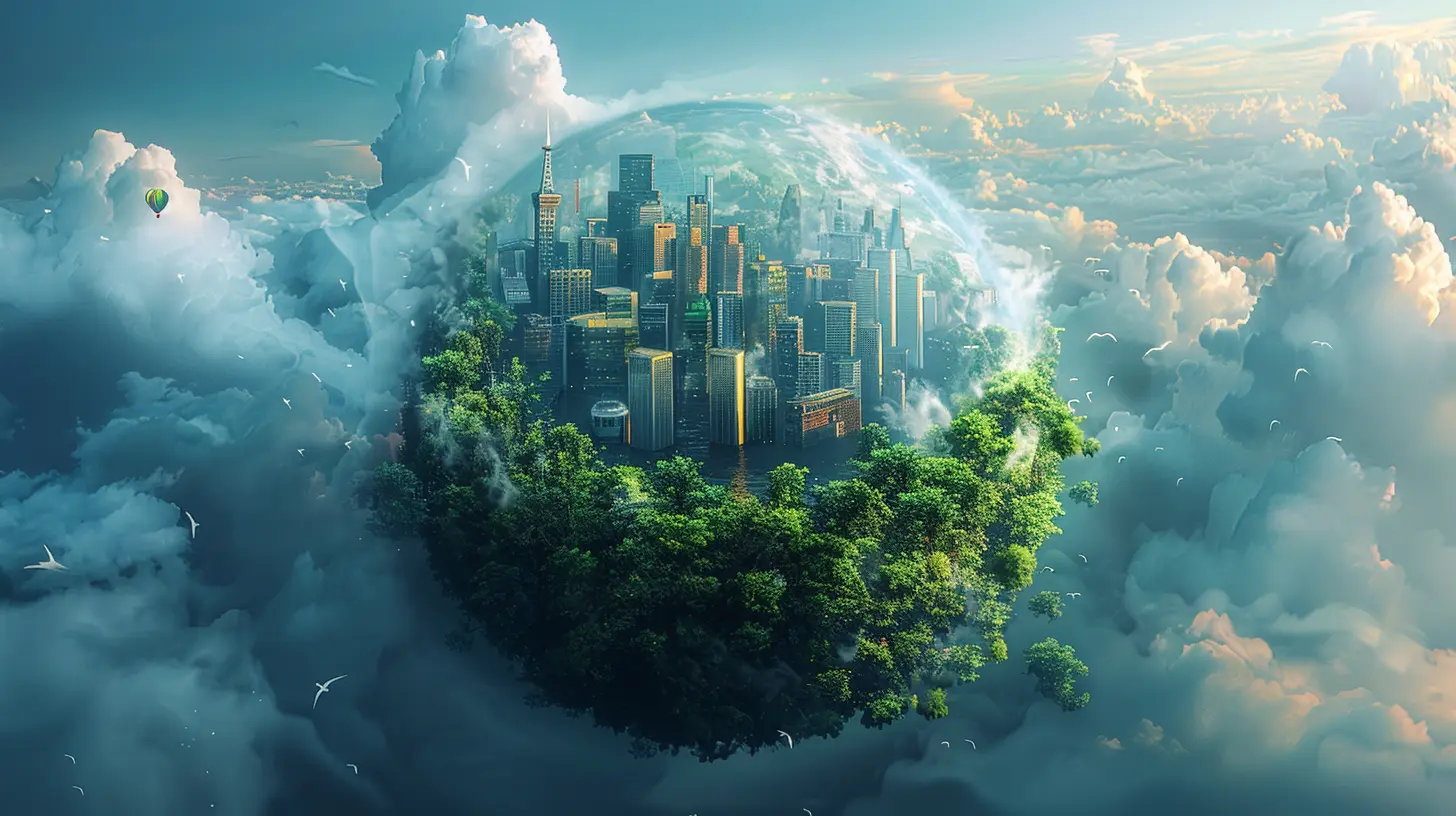
Types of Renewable Energy Solutions
Now that we’ve established the “why,” let’s take a closer look at the “how.” Here are some of the most exciting renewable energy solutions available today and how they’re helping to build a greener planet.1. Solar Energy: Power from the Sun
When you think of renewable energy, chances are the first thing that comes to mind is solar power—and for good reason! The sun is a powerhouse of energy, and we can harness its rays to generate electricity through solar panels.Solar energy is:
- Abundant: The sun shines pretty much everywhere, and even on cloudy days, solar panels can still capture some energy.
- Sustainable: The sun isn’t going anywhere anytime soon. We’re talking about billions of years of energy right at our fingertips.
- Versatile: Solar panels can be installed on homes, businesses, and even in large-scale solar farms.
The best part? Solar energy produces zero emissions. It’s a clean, reliable way to power our homes and gadgets without contributing to climate change.
Challenges of Solar Energy
However, solar energy isn’t without its challenges. The initial cost of installing solar panels can be high, and energy production depends on the weather. But with improving technology and decreasing costs, solar energy is becoming more accessible and affordable every day.2. Wind Energy: Harnessing the Power of the Wind
Imagine standing on a hill with the wind whipping through your hair. That powerful gust of wind can be captured by wind turbines and turned into electricity. Wind energy is another heavy hitter in the renewable energy world.Wind energy is:
- Clean: Like solar power, wind energy produces no emissions, making it a great alternative to fossil fuels.
- Cost-effective: Once the turbines are up and running, wind energy is one of the cheapest renewable energy sources.
- Scalable: Wind farms can be built onshore (on land) or offshore (out at sea), giving us lots of flexibility.
In fact, wind energy is so powerful that some countries are already generating a significant portion of their electricity from it. For example, Denmark gets over 40% of its electricity from wind power—how cool is that?
Challenges of Wind Energy
Of course, wind energy isn’t perfect. Wind turbines can be noisy, and they take up a lot of space. Plus, just like solar, wind energy depends on weather conditions. If the wind isn’t blowing, you’re not generating power. But overall, wind energy is a game-changer and shows no signs of slowing down.3. Hydropower: Energy from Moving Water
Next up, we have hydropower, which is energy generated from the movement of water. This can include rivers, streams, and even ocean tides. Hydropower has been around for centuries (think of old watermills), but modern technology has taken it to the next level.Hydropower is:
- Reliable: Unlike solar and wind, water flows pretty consistently, making hydropower one of the most dependable forms of renewable energy.
- Efficient: Hydropower plants can generate a lot of electricity with minimal waste.
- Low-emission: While some hydropower plants can disrupt local ecosystems, the overall carbon footprint is much smaller than fossil fuel plants.
Challenges of Hydropower
However, hydropower isn’t without its downsides. Building dams and other infrastructure can disrupt ecosystems and displace communities. There’s also concern about the impact of climate change on water levels, which could affect the reliability of hydropower in the future.4. Geothermal Energy: Tapping into Earth’s Heat
Beneath the Earth’s surface lies an incredible source of energy: heat. Geothermal energy taps into this natural heat to generate electricity or provide heating. It’s like nature’s very own underground furnace.Geothermal energy is:
- Constant: Unlike solar and wind, geothermal energy is available 24/7, rain or shine.
- Efficient: Geothermal plants produce a lot of energy with very little environmental impact.
- Localized: This energy source is especially useful in areas with volcanic activity, like Iceland, where geothermal energy powers nearly all homes.
Challenges of Geothermal Energy
The biggest challenge with geothermal energy is geography. Not every region has access to the necessary underground heat. Also, drilling deep into the Earth’s crust to access geothermal energy can be expensive and environmentally disruptive.5. Biomass Energy: Turning Waste into Power
Last but not least, we have biomass energy, which involves burning organic materials (like wood, crop waste, and even garbage) to generate electricity. It’s kind of like recycling on steroids. Instead of letting organic waste go to, well, waste, we can turn it into a valuable energy resource.Biomass energy is:
- Versatile: Biomass can be used to generate electricity, heat, and even fuel for vehicles.
- Renewable: As long as we keep growing plants and producing organic waste, we’ll have a steady supply of biomass.
- Carbon Neutral: While biomass does release CO2 when burned, the carbon cycle balances out because the plants absorb CO2 as they grow.
Challenges of Biomass Energy
The downside to biomass is that it’s not 100% clean. Burning organic materials still produces some emissions, and if not managed properly, it can lead to deforestation or overuse of land resources. However, when done sustainably, biomass can be an excellent renewable energy solution.
The Future of Renewable Energy
So, what's next for renewable energy? The good news is that we’re only scratching the surface of what’s possible. As technology advances, renewable energy solutions will become even more efficient, affordable, and widespread.Governments, businesses, and individuals all have a role to play in this energy revolution. By investing in renewable energy, we can reduce our dependence on fossil fuels, cut pollution, and slow the pace of climate change. In fact, many countries have already set ambitious goals to transition to 100% renewable energy in the coming decades.
But it’s not just about what governments do—each of us can make a difference too. Whether it’s installing solar panels on your roof, supporting clean energy policies, or simply being mindful of your energy consumption, every little bit helps.
Conclusion: A Greener Planet Starts with Us
Renewable energy isn’t just a buzzword—it’s the key to a cleaner, healthier, and more sustainable future. By embracing renewable energy solutions like solar, wind, hydropower, geothermal, and biomass, we have the opportunity to reduce our environmental impact and leave a greener planet for future generations.So, the next time you flip on a light switch or charge your phone, take a moment to think about where that energy comes from. Imagine a world where all of our energy needs are met by clean, renewable sources that don’t harm the planet. It’s not a fantasy—it’s a future within our reach.
Let’s power the future with renewable energy and create a greener planet, one watt at a time.
all images in this post were generated using AI tools
Category:
Green TechnologyAuthor:

Pierre McCord
Discussion
rate this article
2 comments
Brooke Gill
This article effectively highlights innovative renewable energy solutions, emphasizing their crucial role in mitigating climate change impacts.
March 17, 2026 at 6:00 AM
Pierre McCord
Thank you! I'm glad you found the article insightful in showcasing the importance of renewable energy for a sustainable future.
Willow McCaffrey
This article beautifully highlights the potential of renewable energy. Embracing these solutions is crucial for a sustainable future. Let's harness innovation and work together to create a greener planet for generations to come!
March 8, 2026 at 3:49 PM
Pierre McCord
Thank you for your thoughtful comment! I completely agree—innovation and collaboration are key to unlocking the full potential of renewable energy for a sustainable future.