Robotics in Mining: Digging Deeper with Automation
3 May 2026
Robots in mining? Yup, that’s where we’re headed. Picture this: high-tech machines, tirelessly working deep underground or braving remote locations, all without breaking a sweat. Welcome to the future of mining — a world where automation and robotics are changing the game, one scoop of earth at a time.
This isn’t just about souped-up tractors and shiny tech. Robotics in mining is all about safety, efficiency, cost-reduction, and sustainability. And trust me, it’s not just some futuristic fantasy anymore. It's already happening.
So, let’s roll up our sleeves and dig deep into how robotics is revolutionizing the mining industry.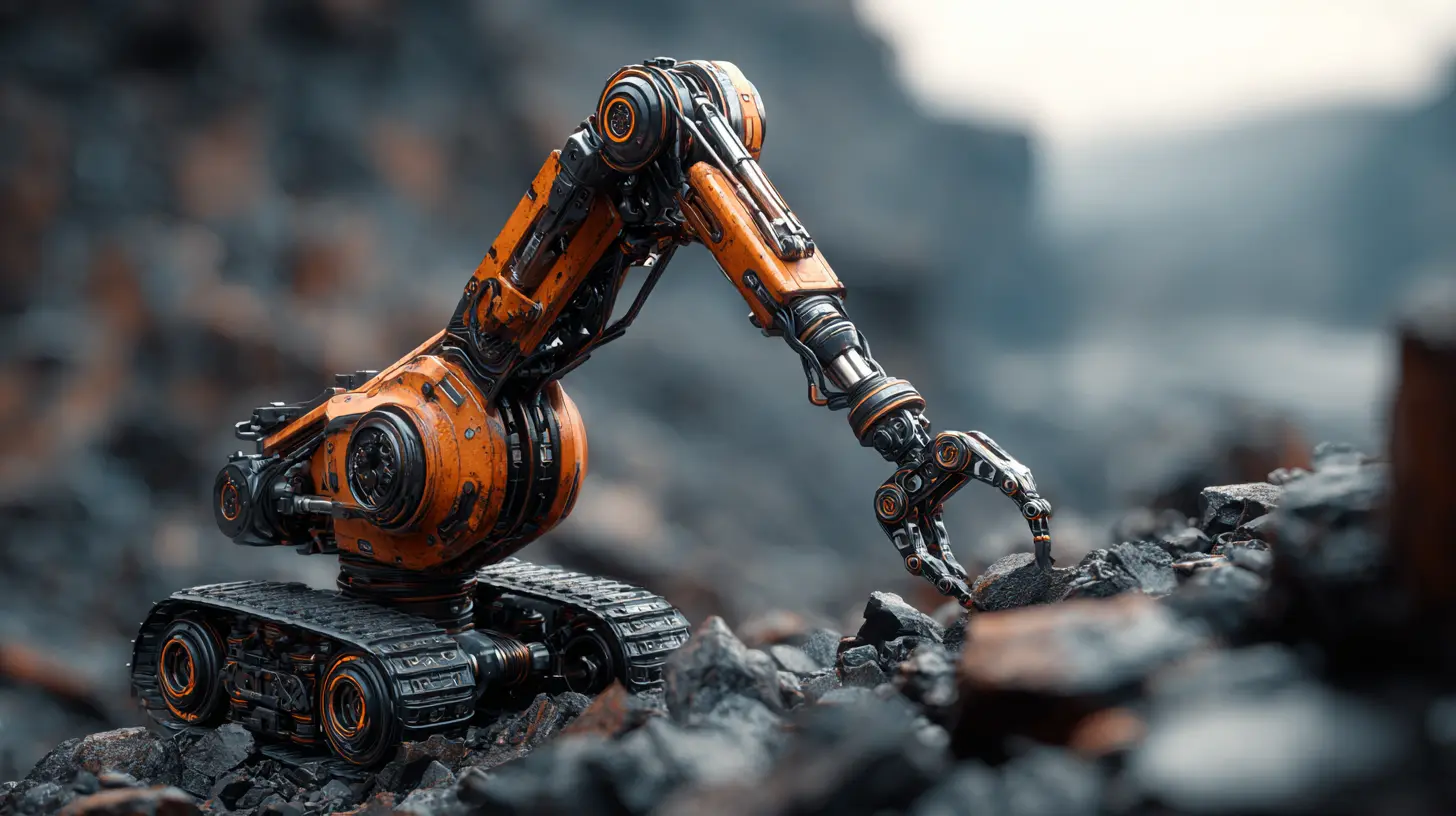
? Why the Mining Industry Needed a Makeover
Let’s be honest: mining hasn’t always had the prettiest reputation. It’s known for being grueling, dangerous, and environmentally taxing. You’ve got workers in hazardous conditions, machinery that breaks down miles underground, and processes that can mess with the planet.But here comes robotics — like a breath of fresh air — to fix some of mining’s oldest problems.
? The Big Challenges in Traditional Mining
Before we jump into the cool stuff, let’s take a step back. What exactly needs fixing?- Worker Safety: Mines are risky. Collapses, toxic gases, and heavy machinery accidents are sadly common.
- Remote and Harsh Environments: Many mineral resources are in places where it’s too risky or expensive to send people.
- Rising Costs: Digging deeper for lower-grade ores means higher operational costs.
- Environmental Pressure: Eco-consciousness is on the rise. The mining world is under the microscope to reduce its footprint.
This is where automation and robotics come in — not as replacements for humans, but as tools to make mining smarter and safer.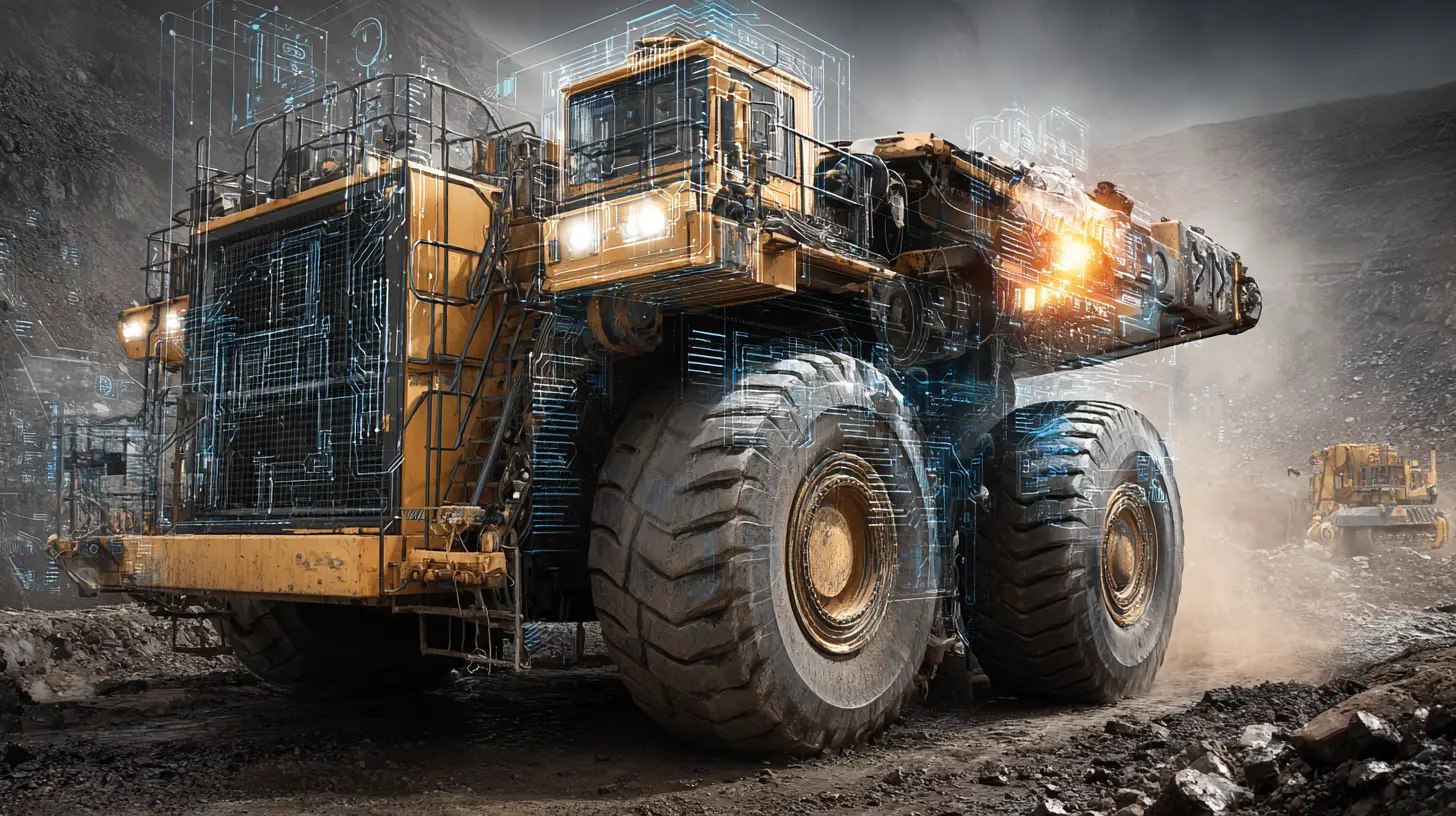
? Meet the Mining Robots of Today
No, they're not humanoid bots in hard hats (although that’d be pretty cool). Mining robots come in various shapes and sizes, all with specific roles. Here are the main types:1. Autonomous Haul Trucks
These are massive driverless dump trucks that transport rocks and ores from the mine to processing facilities. Companies like Rio Tinto and Caterpillar are already using these AI-powered giants in remote mines.- What’s the Big Deal? Fewer accidents, 24/7 operation, and reduced human fatigue. Also, they follow optimized routes to save fuel.
2. Drill Robots
Automated drilling rigs are designed to drill with extreme precision. Operators can control them from a remote site, sometimes hundreds of miles away.- Why It Matters: Engineering precision means better resource yields and fewer wasted materials.
3. Underground Loaders
These remotely controlled loaders can work in the most cramped, dangerous areas underground — places humans shouldn’t even go.- Cool Feature: Some models are electric, slashing emissions in enclosed spaces.
4. Inspection Drones and Rovers
Flying and crawling bots are already helping with underground exploration and equipment inspection. Think of them as your high-tech scout troops.- Use Case: They identify faults early, reducing downtime and maintenance costs.
5. AI-Powered Survey Robots
Picture a robot bulldog with a backpack full of sensors. These bots use LIDAR, cameras, and AI to map out tunnels in 3D, analyze geological conditions, and even detect gas levels.- Why It Rocks: Safer surveys, quicker results, and richer data insights.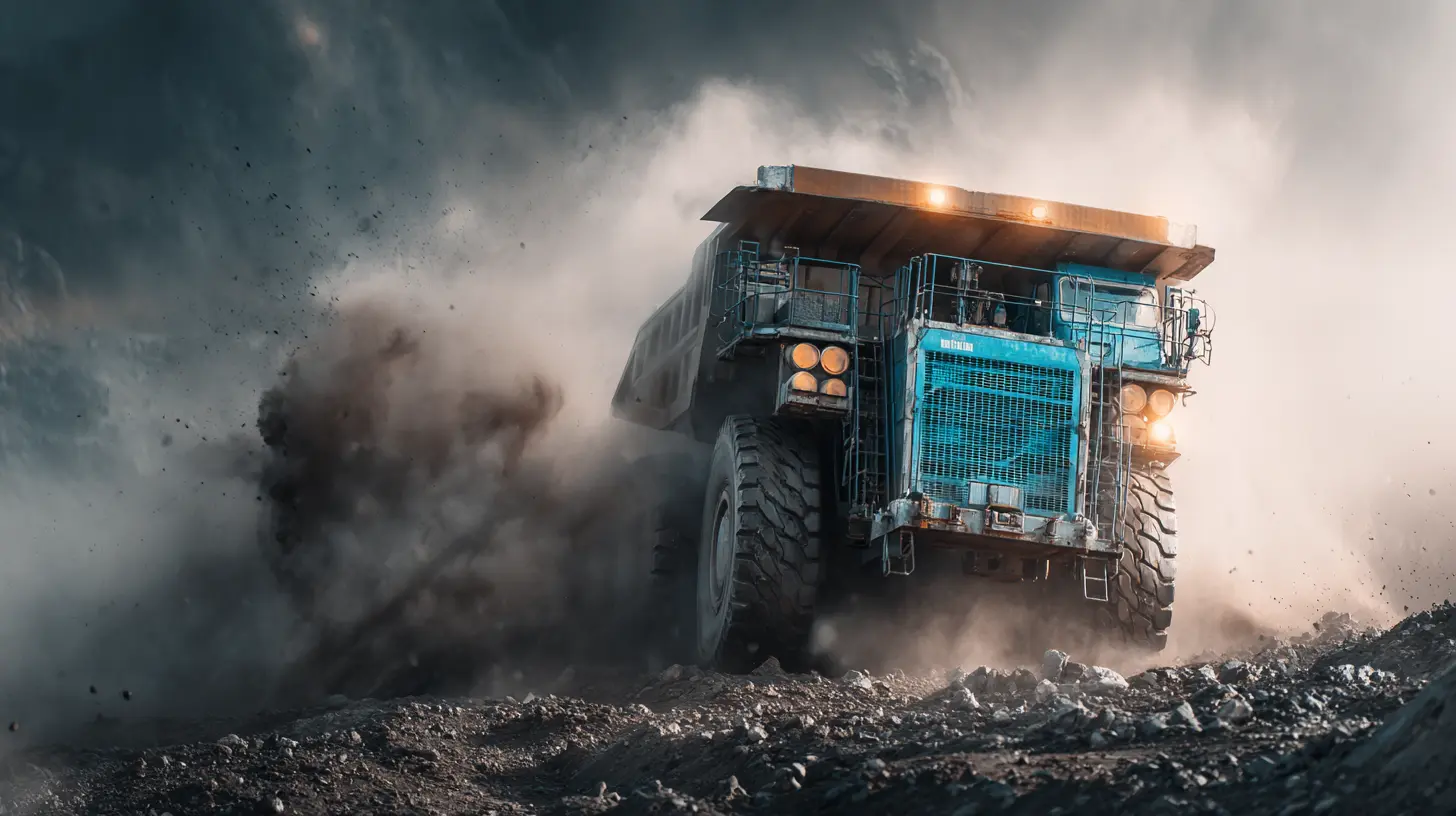
? The Brain Behind the Machines: AI and Machine Learning
Now, robots are the muscle, but let’s talk brains. That’s where AI comes in.Automation in mining doesn’t just mean machines doing things. It means machines making smart decisions. Here’s how:
? Predictive Maintenance
Imagine if your equipment could tell you, “Hey, I’m about to break down — fix me now!” AI uses data from sensors to predict when machines need repairs. That saves time, money, and disaster.? Smarter Exploration
Machine learning algorithms analyze seismic data, satellite images, and historical records to determine the best spots to dig. That beats the old-school trial-and-error.? Human-Robot Collaboration
Rather than replacing workers, automation allows for better decision-making. Operators can manage more machines with less risk. Human expertise + robotic muscle = a powerful combo.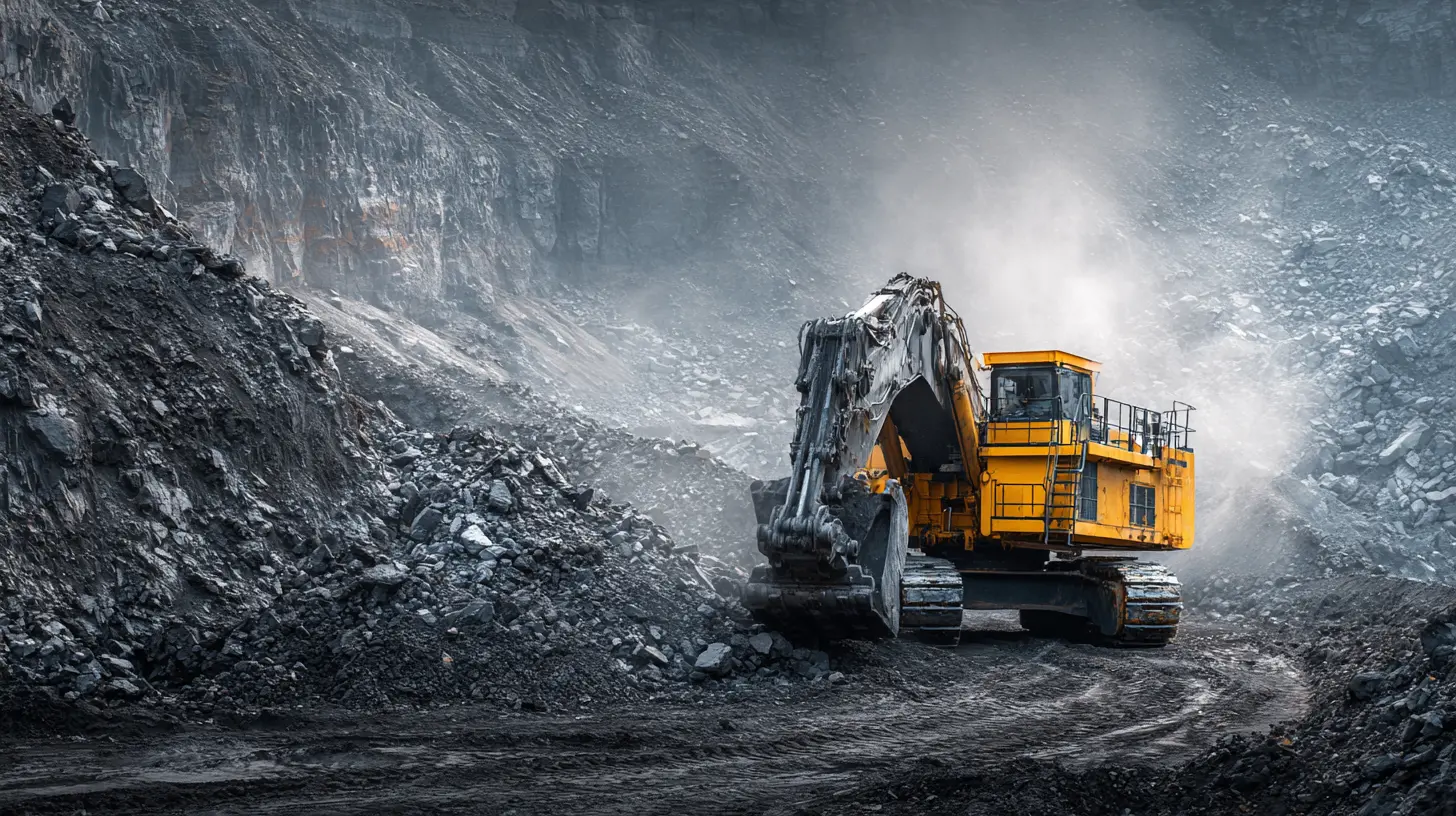
? How Robotics Makes Mining More Sustainable
Mining and environmental responsibility? Those two words haven’t always gone hand-in-hand. But things are changing.? Fewer Emissions
Electric and hybrid robotic equipment significantly reduces CO₂ output. And automation optimizes fuel usage, saving both cash and carbon.? Waste Reduction
Smart robots sort and process materials more precisely. That means less waste, cleaner tailings, and better use of extracted resources.? Water & Resource Recycling
Automated systems control water usage in mineral processing and can even recycle it more efficiently than manual processes.? Reduced Land Disturbance
With robotic precision, miners can target specific areas rather than bulldozing entire regions. Less environmental scarring = happier planet.? Safety First: How Robots Save Lives in Mines
Mining is dangerous work — we’re talking cave-ins, explosions, and toxic gas exposure. Robots step into these risky roles, making the job considerably safer for humans.?? Emergency Response Robots
Imagine a robot that can snake through rubble to locate trapped workers or detect hazardous gases. They're a real thing, and they’re getting better every year.? Remote Operation = Less Risk
If machines can be operated from a comfy control room miles away, why send people underground in the first place?⚙ Built-In Redundancy
Advanced robots are built with multiple fail-safes. If something goes wrong, they can self-correct or alert humans immediately.? Counting the Costs (and Savings)
Okay, so all this high-tech magic must cost a fortune, right? Sure, the upfront investment in robotics is no joke. But here's the kicker — the long-term savings are huge.? Lower Operating Costs
Round-the-clock robots don’t need breaks, salaries, or sick days. They also reduce the need for costly human error repairs.? Improved Equipment Lifespan
Thanks to precision operation and predictive maintenance, machines break down less and last longer.? Better Resource Management
Robots waste less and extract more — squeezing every last bit of value from the ore body.? What’s Next? The Future of Robotics in Mining
The future? Bright, bold, and buzzing with innovation.? Space Mining Robots
Yup, mining companies (and even NASA) are eyeing asteroids and the moon as the next frontier. Robotic mining may soon leave Earth.? Fully Remote-Controlled Mines
Some mines are already operated entirely from cities via control centers. Expect to see more “invisible mines” managed remotely by experts.? Smarter, Smaller Bots
Tomorrow’s mining robots will be faster, smarter, and more adaptable. Think of a swarm of bee-sized drones mapping underground areas — it’s not too far off.? So, What’s the Catch?
Of course, there are challenges.- High Initial Investment: Not every mine can afford $2M robotic trucks.
- Job Displacement: Automation might shift jobs away from operational roles into tech-heavy ones — tough news for traditional workers.
- Cybersecurity Threats: With machines online, hackers could pose new risks.
But with smart planning and worker retraining, the shift can be more gain than pain.
? Final Thoughts: It’s Time to Think Differently About Mining
Mining isn’t what it used to be — and that’s a good thing. Robots are redefining what it means to dig for resources. They’re making it smarter, safer, and more sustainable. Whether it’s a remote mine in Australia or a platinum shaft in South Africa, robotics are leaving their mark.And for tech lovers like us? It's exciting to watch. This isn’t just about robots digging holes — it’s about reshaping an entire industry from the ground up.
So, next time you hear the word “mining,” don’t just think of picks and shovels. Think of AI, autonomous fleets, flying drones, and a future powered by clean, efficient technology.
Because, let’s face it — the future of digging… is digital.
all images in this post were generated using AI tools
Category:
RoboticsAuthor:

Pierre McCord
Discussion
rate this article
1 comments
Zephyris McIntire
This article highlights the incredible potential of robotics in mining. It's exciting to see how automation is transforming the industry for the better.
May 3, 2026 at 3:24 AM
Pierre McCord
Thanks for your thoughts! It's inspiring to see how robotics is reshaping mining and improving efficiency.