Smart Contact Lenses: The Future of Wearable Displays
7 May 2026
Imagine checking your messages, receiving GPS directions, or monitoring your health without even glancing at your phone. Sounds like science fiction, right? But believe it or not, smart contact lenses are turning this futuristic vision into a soon-to-be reality. These tiny devices are poised to revolutionize not just how we see, but how we interact with the world around us.
From bringing augmented reality (AR) up close and personal, to offering real-time health monitoring, smart contact lenses are one of the most exciting developments in the wearable tech space. Let’s dive into what they are, how they work, who's building them, what the benefits are, and what challenges lie ahead.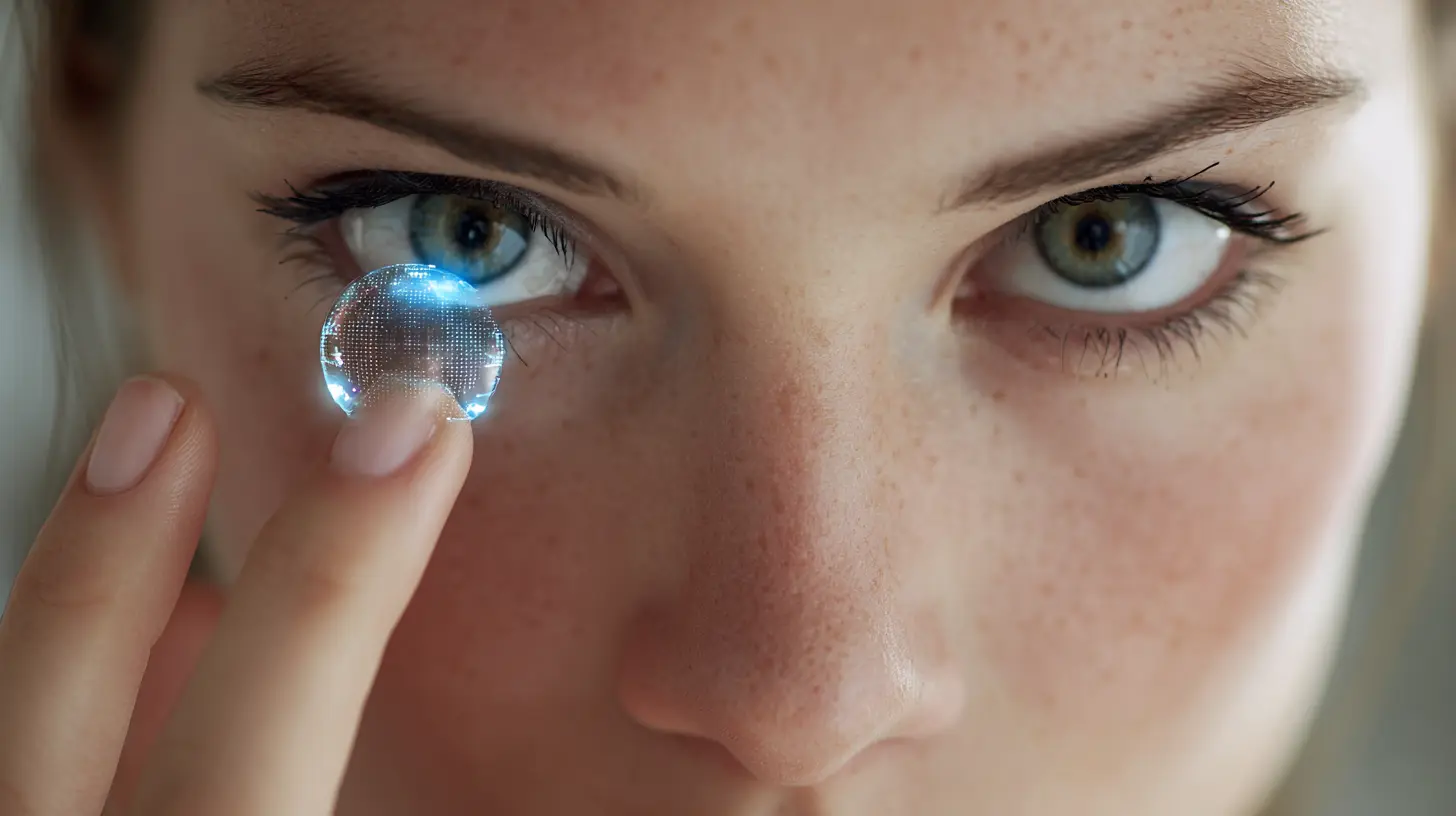
What Exactly Are Smart Contact Lenses?
In simple terms, smart contact lenses are wearable electronics that fit on your eye like regular contact lenses, but with a tech twist. They’re embedded with microelectronics, sensors, and displays—yep, right in the lens! Basically, they're mini-computers for your eyeballs.These lenses are being designed to do everything from enhancing your vision, to projecting AR visuals directly onto your retina, to tracking vital signs like glucose levels for diabetics. Think of them as your personal heads-up display (HUD), sitting right on your eye.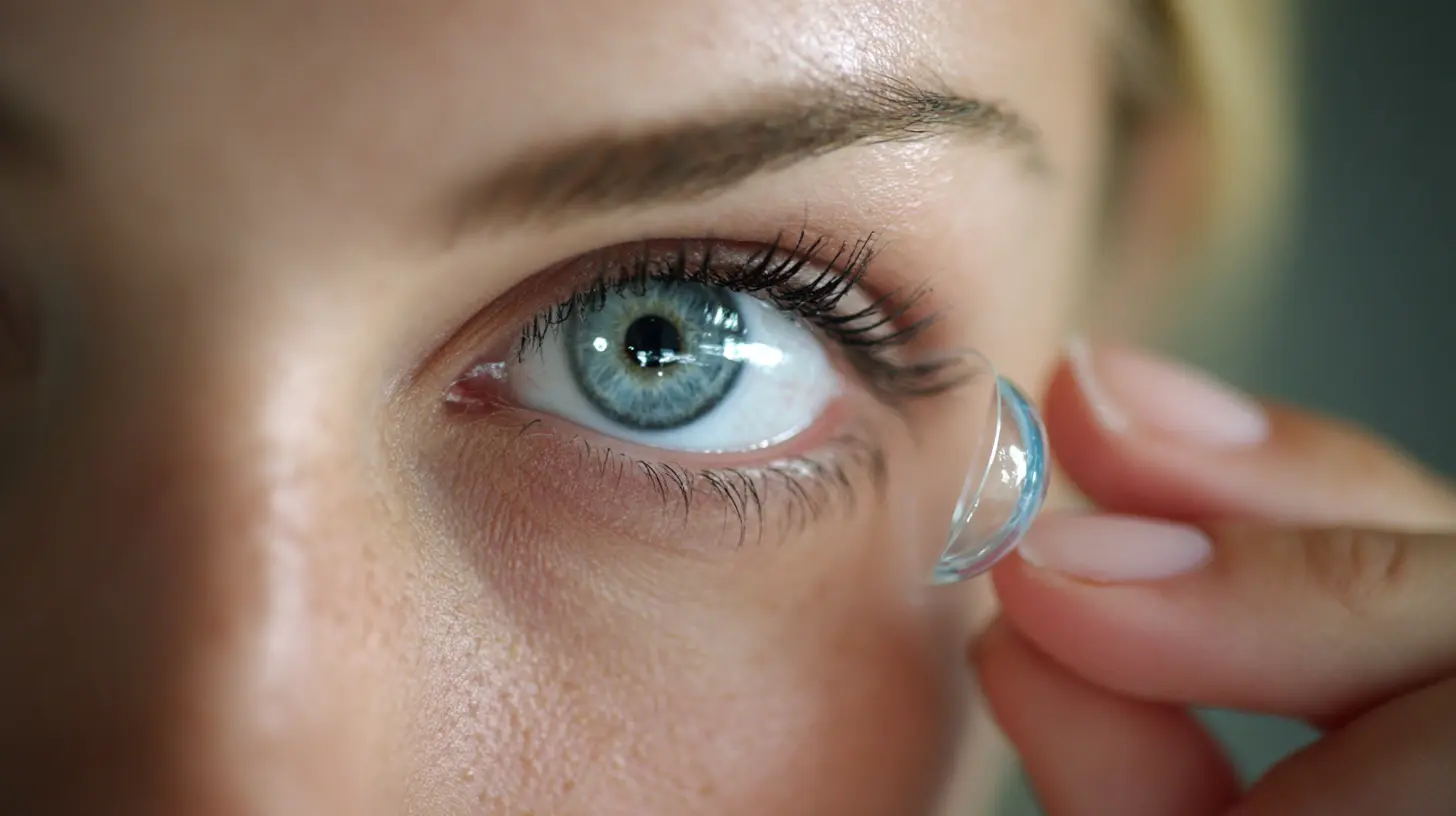
How Do Smart Contact Lenses Work?
Glad you asked. It’s a mix of magic and tech.At the heart of these lenses are ultra-thin microchips, sensors, and sometimes even tiny batteries. All of this is embedded in a small enough form factor so that the lens remains soft, breathable, and safe to put on your eye.
Some designs use wireless power, so you don’t actually need to charge them like your smartphone. Developers are experimenting with power delivery via wireless induction or tiny photovoltaic cells that convert light into energy. Others are trying out miniature energy-harvesting techniques (yep, like charging from your blinking!).
Display-wise, some lenses use microLEDs or projection systems that beam images directly into your eye’s field of view. This tech is what enables AR overlays—a bit like having a permanent digital layer over your real-world vision.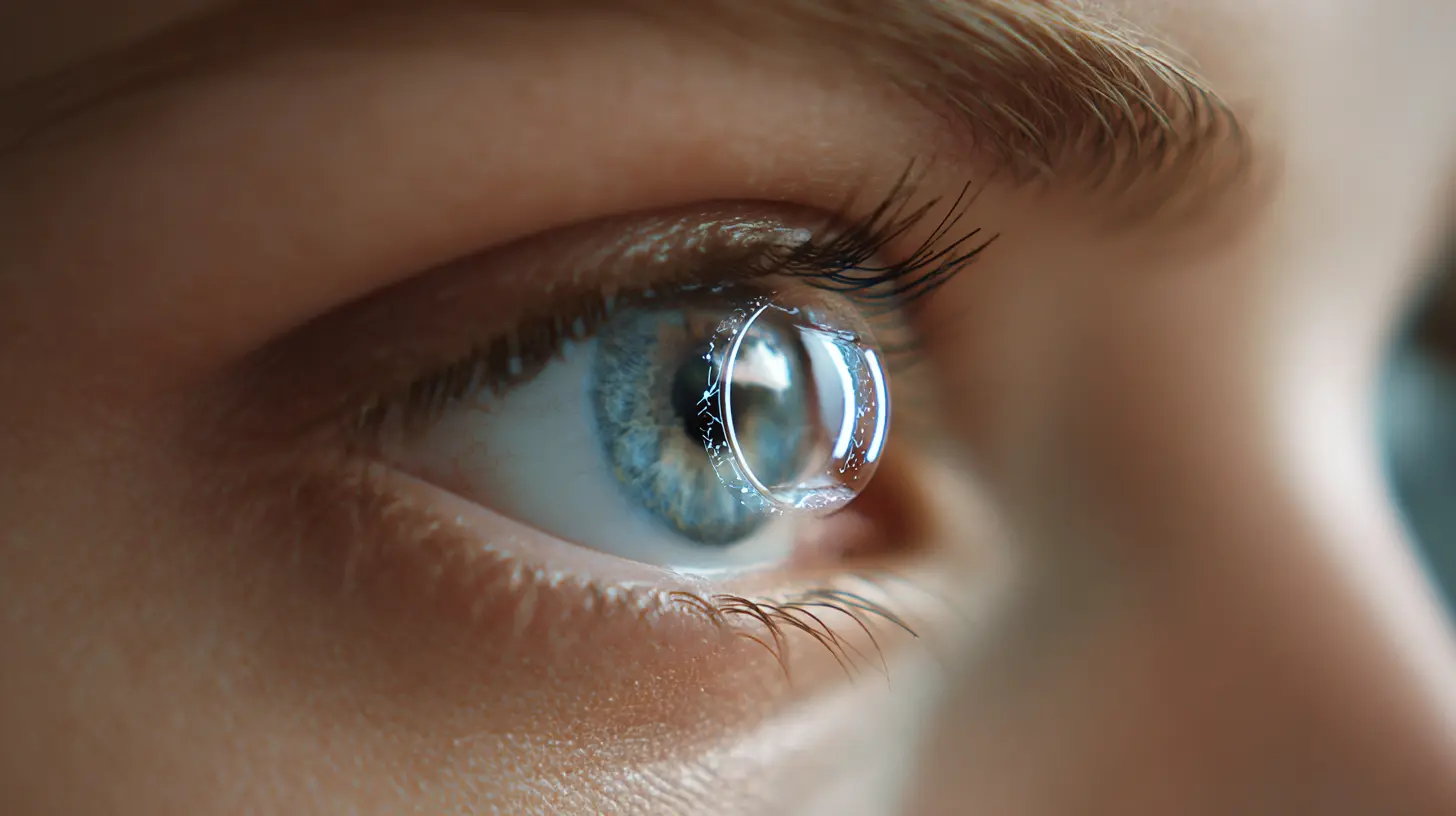
Use Cases That Are Straight Out of Sci-Fi
Let’s talk about why this matters. What can smart contact lenses actually do for you and me?1. ? Augmented Reality Like Never Before
Move over, AR glasses. Smart contact lenses can give you a seamless AR experience without the bulkiness. Imagine playing Pokémon Go or navigating a new city with directions floating directly in front of your eyes. No phone. No glasses. Just pure immersion.2. ? Real-Time Health Monitoring
One of the most promising applications is in healthcare. For example, smart lenses could continuously monitor glucose levels in tears for diabetics, alerting them to dangerous spikes or drops without needing to prick a finger. Other biosensors could monitor hydration, eye pressure (for detecting glaucoma), or even early signs of illness.3. ? Notifications and Displays
Don’t want to pull out your phone during a meeting? With smart lenses, you could receive notifications, weather updates, or texts without moving a muscle. It’s like having your smartphone screen projected directly onto your vision.4. ? Eye-Controlled Cameras
Some prototypes are exploring lenses that respond to eye movements or even blink commands—just like snapping a photo by blinking. Crazy, right? But a brilliant idea for hands-free photography or security applications.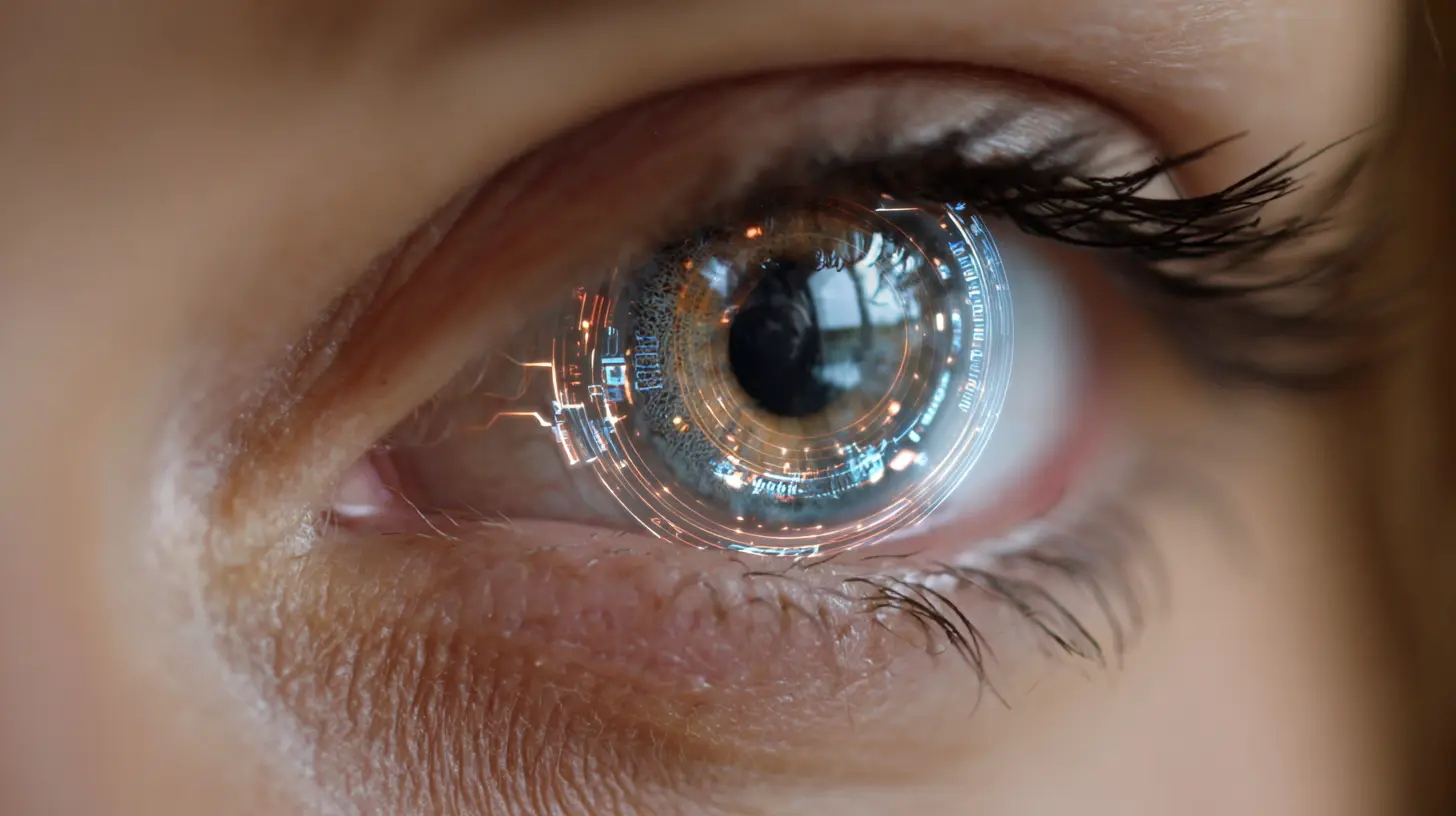
Companies Leading the Charge
So, who’s building these mini-wonders? While most smart contact lenses are still in the research or prototype phase, some big names and ambitious startups are already making serious progress.Mojo Vision
Based in California, Mojo Vision is leading the pack with its smart lens featuring a built-in microLED display the size of a grain of sand. It shows real-time data right in your field of view and offers AR capabilities, all while being comfortable enough to wear like a traditional lens.Google (Alphabet)
Yep, the tech giant had its own smart lens project under its life-sciences arm, Verily. Initially focused on glucose monitoring, the project faced some hurdles but raised global awareness for how powerful this tech could be in healthcare.Innovega
Innovega is taking a unique approach with lenses used in combination with lightweight glasses for AR and VR applications. The idea is to improve focus and immersion by distributing display tech between the lens and eyewear.Samsung, Sony, and Others
Other big players like Samsung and Sony have filed patents and are investing in research, signaling that a new interface war is brewing—this time, not for your wrist or ears, but your eyes.Benefits That Could Change Everything
If you’re still wondering “Why would I want a computer on my eyeball?”, here’s why smart lenses could be a game-changer:- Hands-Free Convenience: No more fumbling with your phone or smartwatch. Information is always right there.
- Discreetness: Forget bulky devices. These are invisible to others and blend seamlessly into everyday life.
- Accessibility: Could drastically improve life for people with visual impairments by enhancing vision or providing contextual cues.
- Health Optimization: Continuous monitoring of crucial biomarkers could prevent health crises before they happen.
But Hold On—What Are the Challenges?
As amazing as smart contact lenses might sound, there are a few hurdles to clear before they become mainstream.? Safety and Comfort
The eye is super sensitive, so any device used here must be ultra-safe, non-irritating, and breathable. Long-term wearability is still a major concern.⚡ Battery Life and Power
How do you power a computer on your eye without a visible battery? This remains one of the biggest challenges. Wireless charging, blink-based charging, or even solar energy are being explored.? Connectivity and Data Privacy
With data being collected directly from your eyes—potentially including health metrics—you better believe privacy is a big issue. Secure data transmission and user control over what gets monitored and shared is critical.? Cost and Accessibility
Early versions will likely come with a hefty price tag. Making them affordable and accessible to the average person is something manufacturers will need to address as the tech matures.The Future of Smart Contact Lenses
So when can you get your hands—er, eyes—on a pair? We're still a few years out from mainstream adoption. Most prototypes are in the testing phase, and regulatory approvals for medical-grade devices can take time.But the direction is clear: smart lenses are destined to become a key player in the wearable tech landscape. As advances in nanotechnology, power solutions, and miniaturization continue to evolve, these lenses will shift from being niche prototypes to indispensable everyday tools.
Are Smart Contact Lenses the End of Smartphones?
That might be stretching it for now, but let’s put it this way—smart contact lenses could become the most intimate user interface we’ve ever seen (literally!). They won’t replace smartphones overnight, but they could eventually become a supplementary or even primary display for certain tasks.Imagine taking a call, navigating the road, or even watching a movie—all through your eyes. Now that’s a future worth blinking for.
Final Thoughts
Smart contact lenses are like something out of Iron Man’s HUD—but made real. They represent the blending of biotech, wearable innovation, and digital convenience in a way that’s truly futuristic.While we’re not quite there yet, the groundwork is being laid. The next time you put your regular contacts in, remember: your next pair might just be smarter than your phone.
Stay tuned—because the future is not just bright… it’s right in front of your eyes.
all images in this post were generated using AI tools
Category:
Technology InnovationAuthor:

Pierre McCord
Discussion
rate this article
1 comments
Bailey McGarvey
Smart contact lenses could revolutionize how we interact with technology. The integration of displays into such a compact form is fascinating. However, considerations around privacy, health, and usability will be crucial in determining their success in the market.
June 10, 2026 at 2:45 AM
Pierre McCord
You're right. While the potential is exciting, addressing privacy and health issues will be key to their acceptance.