The Evolution of Privacy Tools in the Age of Surveillance
11 April 2026
In today's hyper-connected world, privacy is like an endangered species—constantly under threat but fiercely protected by those who value it. With governments, corporations, and even hackers keeping a watchful eye, the demand for privacy tools has skyrocketed. But how did we get here, and what's next for our digital shields?
Let's take a fascinating journey through the evolution of privacy tools, from the early days of the internet to today’s cutting-edge solutions. Buckle up—this is going to be an eye-opener! 
The Early Days: When Privacy Was an Afterthought
Back in the early days of the internet, privacy wasn’t much of a concern. The web was new and exciting—people were too busy exploring the digital frontier to worry about online snooping.- Emails Were Open Books: Early email protocols lacked encryption, making them as exposed as a postcard in the mail. Anyone intercepting the message could read its contents.
- Basic Passwords Were Enough: A simple "password123" used to be sufficient security. (We’ve all been guilty of this at some point!)
- No One Was Watching (Or So We Thought): The idea that someone would monitor online activities seemed far-fetched.
As the internet grew, so did concerns about data security and privacy. Enter the first generation of privacy tools! 
The Rise of Encryption: Locking Down Information
As cyber threats and surveillance became more prevalent, encryption emerged as a game-changer. It was like putting your digital conversations in an uncrackable safe.- PGP (Pretty Good Privacy): Introduced in the 1990s, PGP allowed users to encrypt emails and files, making unauthorized access nearly impossible.
- SSL/TLS Encryption: Websites adopted Secure Sockets Layer (SSL) encryption, ensuring that sensitive data (like credit card details) stayed private.
- VPNs Make Their Debut: Early Virtual Private Networks (VPNs) were primarily used by businesses to secure remote connections, but their potential for privacy protection soon became clear.
Encryption shifted the power dynamic. Suddenly, individuals had tools to fight back against prying eyes. But surveillance efforts weren’t slowing down either. 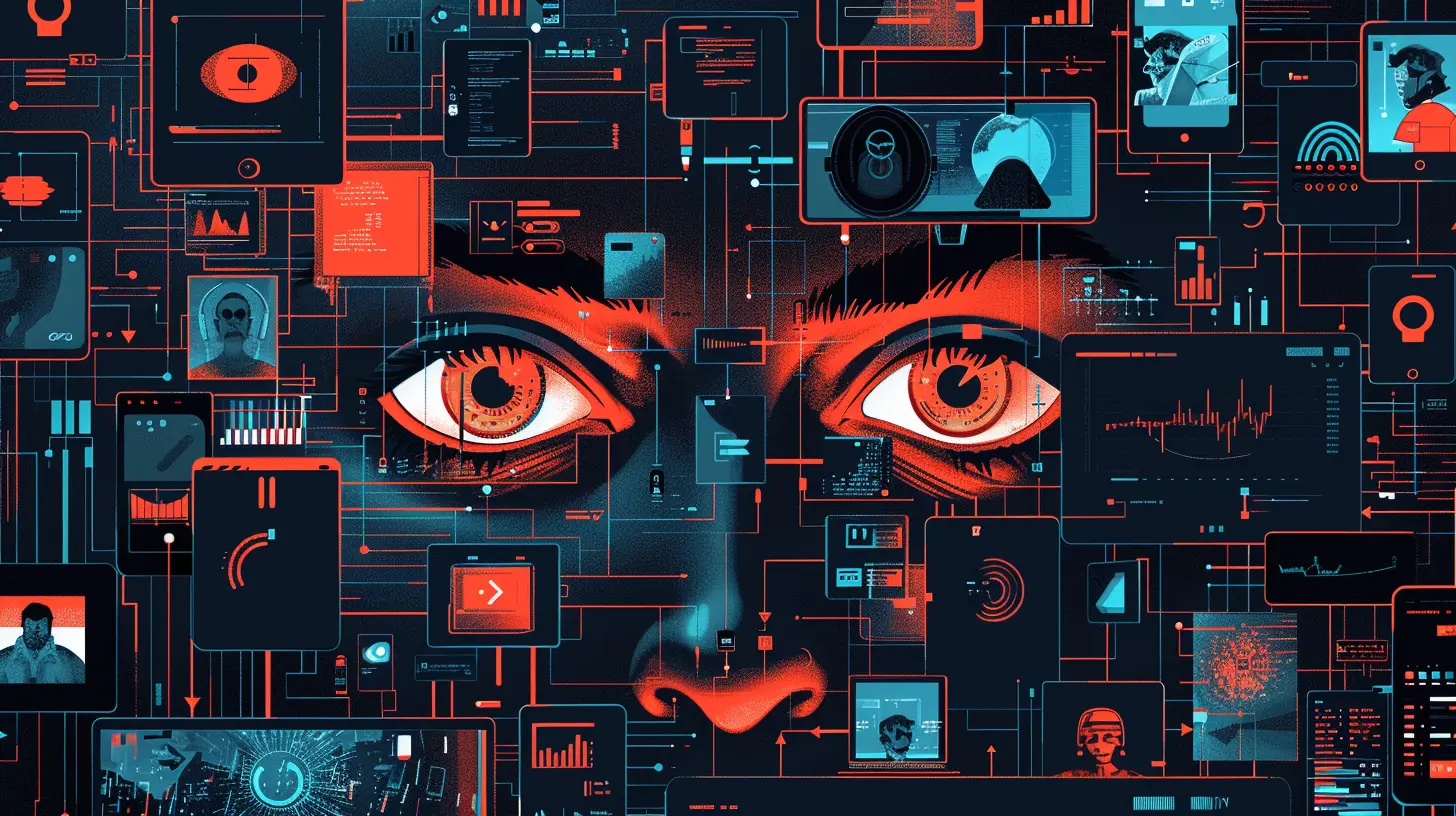
The Golden Age of Tracking: The Rise of Big Data
With the explosion of social media, smartphones, and online services, tech companies realized something—data was the new gold. Every click, search, and message became part of an invisible digital profile.- Cookies and Trackers: Websites started using tracking cookies to monitor users across the web (yes, the same ones that stalk you with ads after you search for shoes).
- Social Media & Data Harvesting: Platforms like Facebook and Google made billions by collecting and selling personal data to advertisers.
- Mass Government Surveillance: Whistleblower revelations, like those from Edward Snowden, exposed that governments were conducting mass surveillance programs on citizens worldwide.
People started waking up to the reality that their online lives were far from private. And so, the demand for more advanced privacy tools skyrocketed. 
The Modern Age: Fighting Back with Advanced Privacy Tools
The good news? Privacy advocates and tech developers weren’t going to sit back and let surveillance win. The last decade has seen an explosion of privacy-focused tools that give users more control over their data.1. VPNs Become Mainstream
Gone are the days when VPNs were just for corporate workers. Today, they're one of the most popular privacy tools.- Hide your IP address and location
- Encrypt your internet traffic
- Bypass censorship and geo-restrictions
With hundreds of VPN providers out there, privacy-conscious users can browse without leaving digital footprints.
2. Encrypted Messaging Takes Over
Remember when SMS and unencrypted emails were the norm? Not anymore. Secure messaging apps have taken communication to a whole new level.- Signal & Telegram: Offer end-to-end encryption, ensuring no one can peek into your private chats.
- WhatsApp (Kind Of): While it has end-to-end encryption, Facebook’s ownership raises some concerns.
Messaging apps now focus on security, but staying truly private requires choosing your tools wisely.
3. Privacy-Focused Browsers & Search Engines
Tired of Google tracking every search? You're not alone. Privacy-first alternatives have stepped up.- DuckDuckGo: A search engine that doesn’t track your queries (finally, some peace of mind).
- Brave Browser: Blocks trackers and ads by default, making browsing faster and more private.
- Tor Browser: Routes traffic through multiple servers, making online activity nearly untraceable.
4. Decentralized and Blockchain-Based Solutions
Blockchain technology, originally created for Bitcoin, is now being used for privacy-enhancing tools.- Decentralized VPNs (dVPNs): Unlike traditional VPNs, these don’t rely on centralized servers, making them harder to block or monitor.
- Cryptocurrencies Like Monero: While Bitcoin is pseudo-anonymous, Monero ensures total privacy in transactions.
As privacy tools evolve, the battle between surveillance and freedom continues.
The Future of Privacy: What’s Next?
The fight for privacy is far from over. As surveillance tech becomes more sophisticated, so too must our privacy tools. Here’s what we might see in the coming years:- AI-Powered Privacy Assistants: Imagine an AI that automatically protects your data by blocking trackers, encrypting sensitive messages, and warning you about privacy risks in real-time.
- Quantum Encryption: Future-proof encryption that not even quantum computers can crack.
- More Decentralization: With Web3 and blockchain-based networks rising, we may move towards a more private, decentralized internet.
One thing is certain—privacy advocates are not going anywhere. As long as surveillance exists, people will keep developing ways to fight it.
Final Thoughts: Stay One Step Ahead
Privacy is a right, not a privilege. In today’s data-driven world, it’s up to us to take control and protect our personal information.So, what can you do right now?
✔️ Start using a VPN
✔️ Switch to a privacy-focused browser
✔️ Use encrypted messaging apps
✔️ Stop oversharing on social media
The digital age may be full of prying eyes, but with the right tools, you can keep them at bay. Stay sharp, stay secure, and always keep privacy in mind!
all images in this post were generated using AI tools
Category:
Privacy ToolsAuthor:

Pierre McCord
Discussion
rate this article
2 comments
Viva McFee
While privacy tools have advanced, the arms race with surveillance technology reveals the ongoing struggle for true digital autonomy.
April 15, 2026 at 4:39 AM
Pierre McCord
You raise an important point. Despite advancements, the balance between privacy tools and surveillance remains a critical challenge. It's a fight for our autonomy that continues to evolve.
Sylas McMeekin
In a world where every click is watched, embracing privacy tools is our revolutionary act—empowering individuals and reclaiming control over our digital lives!
April 14, 2026 at 2:47 PM
Pierre McCord
Absolutely! It's crucial to take back our digital autonomy. Privacy tools are a vital response to increasing surveillance.