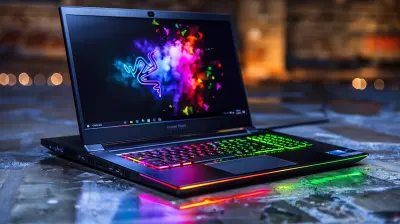
The Evolution of Tech Events: From Physical to Virtual Worlds
7 July 2026
Ah, tech events! Once upon a time, they were all about crowded convention halls, keynote speeches in grand auditoriums, and those bustling after-parties where you could accidentally rub shoulders with the next Steve Jobs. But like everything else in our modern world, tech events have evolved. Welcome to the digital age, where events once held in physical spaces have now migrated to the virtual world.
So, how did we get here? How did an industry that thrived on personal interactions and hands-on experiences make the leap into the digital realm? In this article, we’ll dive deep into the evolution of tech events, exploring their past, their present, and, of course, where they might be heading next.

The Glory Days of Physical Tech Events
A Time of Tangible Connections
Remember those days? The palpable excitement when walking into a massive tech conference like CES (Consumer Electronics Show) or Apple's WWDC (Worldwide Developers Conference), where you could touch, feel, and even smell the newest gadgets? The buzz in the air was undeniable. You'd queue for hours to get a glimpse of the latest smartphone, and networking was as easy as striking up a conversation with the person sitting next to you.Physical tech events weren’t just about the products—they were about people. You’d exchange business cards, share a coffee with a potential collaborator, or maybe even strike up a friendship that lasted a lifetime. In tech, these events were essentially the beating heart of innovation.
The Key Role of Hands-On Demos
One of the biggest draws of physical tech events was the hands-on experience. Let’s face it—watching a product launch video can’t compare to actually holding the product in your hands. Whether it was testing out the latest VR headset or taking a spin on an electric scooter, these real-life demos were pivotal in driving consumer interest and industry buzz.And it wasn’t just about the gadgets. Keynote speeches, panel discussions, and in-person Q&A sessions gave attendees the chance to interact directly with tech leaders, developers, and experts.
But here's the thing: as tech became more globalized and fast-paced, the logistics of hosting massive gatherings became more complex. And then, of course, there was an unexpected catalyst that shifted the entire landscape.

The Impact of the COVID-19 Pandemic
An Unprecedented Disruption
Enter 2020. The COVID-19 pandemic turned the world upside down, and tech events were no exception. Suddenly, the idea of thousands of people gathering in a single space became impossible, even dangerous. Conferences were either postponed indefinitely or canceled altogether. It wasn’t just a blow to the tech industry; it was a blow to networking, innovation, and business growth.But in true tech fashion, the industry adapted. The solution? Virtual events.
The Swift Transition to Virtual Events
Many tech companies and event organizers realized they had no choice but to pivot—and fast. Within months, platforms like Zoom, Microsoft Teams, and a plethora of other virtual event tools became the new normal. Events that once required renting out a massive venue were now being streamed to global audiences from the comfort of living rooms and home offices.At first, it felt strange. Attendees weren’t sure how to adapt to this new format. But as time went on, both organizers and participants began to see the benefits. Virtual events weren’t just a temporary solution; they were opening up new possibilities.

The Rise of Virtual Tech Events
Accessibility and Global Reach
One of the biggest advantages of virtual tech events is accessibility. Before, if you wanted to attend CES or Google I/O, you had to be in the right city at the right time—and, let’s be honest, have the right budget. Flights, hotels, tickets—it all added up.But with virtual events, anyone with an internet connection can tune in. Whether you’re in Silicon Valley or a small town halfway across the globe, you can attend the same talks, see the same product demos, and participate in the same discussions.
This democratization of tech events has allowed a broader and more diverse audience to engage with the latest in technology. Suddenly, your physical location doesn’t limit your ability to learn, network, and innovate.
A More Sustainable Option
Let’s not forget about the environmental impact. Physical events require a massive amount of resources—everything from transportation to energy usage to waste production. Virtual events, on the other hand, have a significantly smaller carbon footprint. In an age where sustainability is a growing priority for both companies and individuals, this shift to digital gatherings is a win for the planet.A Different Kind of Engagement
While virtual events have their perks, they’ve also introduced new challenges. Networking, for instance, is a bit tricky. Gone are the spontaneous hallway conversations and impromptu coffee meetings. Instead, attendees have to rely on breakout rooms, chat features, and LinkedIn connections to make meaningful relationships.And let’s be real: Zoom fatigue is a thing. Sitting in front of a screen for hours on end, watching presentation after presentation, can be draining. Engagement levels can dip, and it’s easy to get distracted by that never-ending inbox.
But event organizers have started to get creative. Many virtual events now include interactive features like polls, live Q&As, and even virtual reality experiences to keep attendees engaged. It’s not quite the same as strolling through a convention center, but it’s far from boring.

The Hybrid Future: A Blend of Physical and Virtual
The Best of Both Worlds
As the world slowly begins to reopen, we’re seeing the rise of hybrid events. These combine the best of physical and virtual experiences, giving attendees the flexibility to choose how they want to participate.Picture this: A tech conference where you can either fly to New York and attend in person, or watch the keynote from your couch in Tokyo. You might not get the chance to physically demo that new gadget, but you’ll still be able to ask questions in real-time, network with other attendees, and even participate in virtual workshops.
In many ways, hybrid events are the future. They cater to the needs of a global audience while maintaining the intimacy and hands-on experience that physical events offer.
A More Personalized Experience
One of the coolest things about hybrid events is the level of personalization they can offer. Virtual attendees might get access to exclusive content, on-demand sessions, or one-on-one Zoom calls with speakers. Meanwhile, in-person attendees could benefit from VIP networking events, product demos, or even exclusive swag bags.It’s no longer a one-size-fits-all approach. Instead, tech events are becoming more customizable, allowing attendees to craft their own experience based on their interests, location, and availability.
The Role of Emerging Technologies in Tech Events
Virtual Reality (VR) and Augmented Reality (AR)
Let’s talk about the exciting stuff—emerging tech. Virtual Reality (VR) and Augmented Reality (AR) are poised to play a huge role in the future of tech events. Imagine attending a virtual conference where you can walk through a digital convention hall, interact with virtual booths, and even try out products in a simulated environment. Sounds like something out of a sci-fi movie, right? But it’s already happening.Companies like Oculus and HTC are pushing the boundaries of what’s possible, creating immersive experiences that make virtual events feel more tangible and interactive. We’re still in the early stages, but as VR and AR technology improves, the line between physical and virtual worlds will continue to blur.
Artificial Intelligence (AI) for Personalization
AI is also becoming a game-changer in tech events. Imagine an AI-powered virtual assistant that helps you navigate a massive event, recommends sessions based on your interests, and even schedules networking meetings with like-minded attendees. The potential for AI to streamline the event experience is enormous.In the future, we might see AI helping event organizers create more targeted and engaging content, improving attendee satisfaction, and even predicting trends based on real-time data.
What’s Next for Tech Events?
A Constantly Evolving Landscape
The evolution of tech events from physical to virtual, and now to hybrid, reflects the broader trends in the tech industry itself—innovation, adaptability, and a focus on user experience. As technology continues to advance, so too will the ways in which we gather, learn, and collaborate.We’re entering a new era where the boundaries between the physical and virtual worlds are becoming increasingly fluid. Whether you’re attending an event in person, tuning in from your laptop, or immersing yourself in a VR experience, one thing is clear: tech events are here to stay, and they’re only going to get more exciting.
So, what’s next? Only time—and technology—will tell.
all images in this post were generated using AI tools
Category:
Tech EventsAuthor:

Pierre McCord
Discussion
rate this article
1 comments
Holly Bass
This article captures the significant shift in tech events from in-person gatherings to virtual platforms. The insights on how technology has reshaped networking and learning experiences are particularly interesting. It's fascinating to see how these changes have made events more accessible, breaking down geographic barriers while creating new opportunities for engagement.
August 4, 2026 at 2:57 PM