The Psychology Behind More Engaging Virtual Meetings
13 August 2026
If you have spent any time in a video call over the past few years, you already know the problem. People talk over each other, or worse, they do not talk at all. Cameras stay off. Eyes drift to secondary screens. Someone asks a question, and the silence stretches so long that the host awkwardly repeats it. The meeting was scheduled for thirty minutes, but it feels like ninety.
Most advice about virtual meetings focuses on the technical side. Better cameras, better lighting, better microphones, faster internet. Those things matter, but they do not fix the real issue. The real issue is psychological. A virtual meeting is not a physical meeting with a screen in the middle. It is a completely different social environment, and most people are still treating it like a poor imitation of the office.
When you understand the psychology of attention, motivation, and social presence, you can design meetings that actually work. Not just tolerable meetings, but meetings that people do not dread. This article walks through the core psychological principles at play and gives you practical, field-tested ways to use them.
Why Virtual Meetings Feel Different
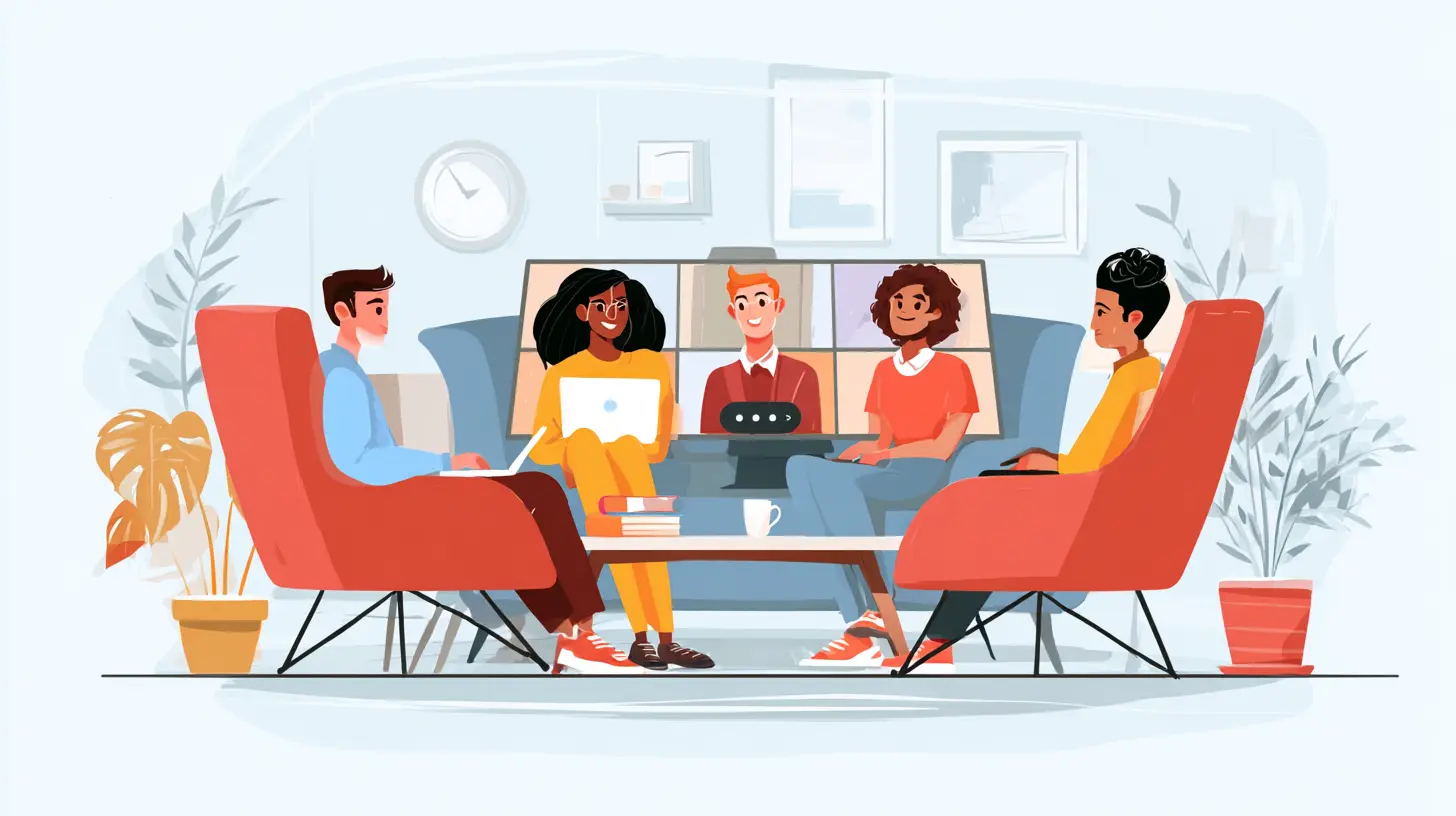
To understand why virtual meetings go wrong, you have to understand what the brain misses. In a physical room, you have peripheral vision. You can see body language from the waist up. You can hear the rustle of someone shifting in their chair. You can sense when someone wants to speak because they lean forward slightly or take a breath.None of that exists in a grid of faces. The brain receives a fraction of the social cues it expects. This creates a condition called social presence deficit. You know other people are there, but your brain does not fully register them as present. The result is that you feel less accountable, less inhibited, and less connected.
That is why people multitask. It is not purely a discipline problem. The brain is looking for stimulation because the meeting is under-stimulating. When you understand that, you stop blaming yourself or your team for being distracted. You start designing meetings that provide the right kind of stimulation.
The second major difference is the loss of shared context. In an office, you walk to the meeting room together. You chat in the hallway. You see the whiteboard from last week. These small moments create a shared narrative. In a virtual meeting, everyone drops in from their own isolated bubble. There is no transition time. No warm-up. You go from deep work to a discussion in ten seconds flat.
This is why many virtual meetings feel cold. It is not that people are unfriendly. It is that the brain has not been given the social cues it needs to feel warm.
The Attention Economy and Cognitive Load
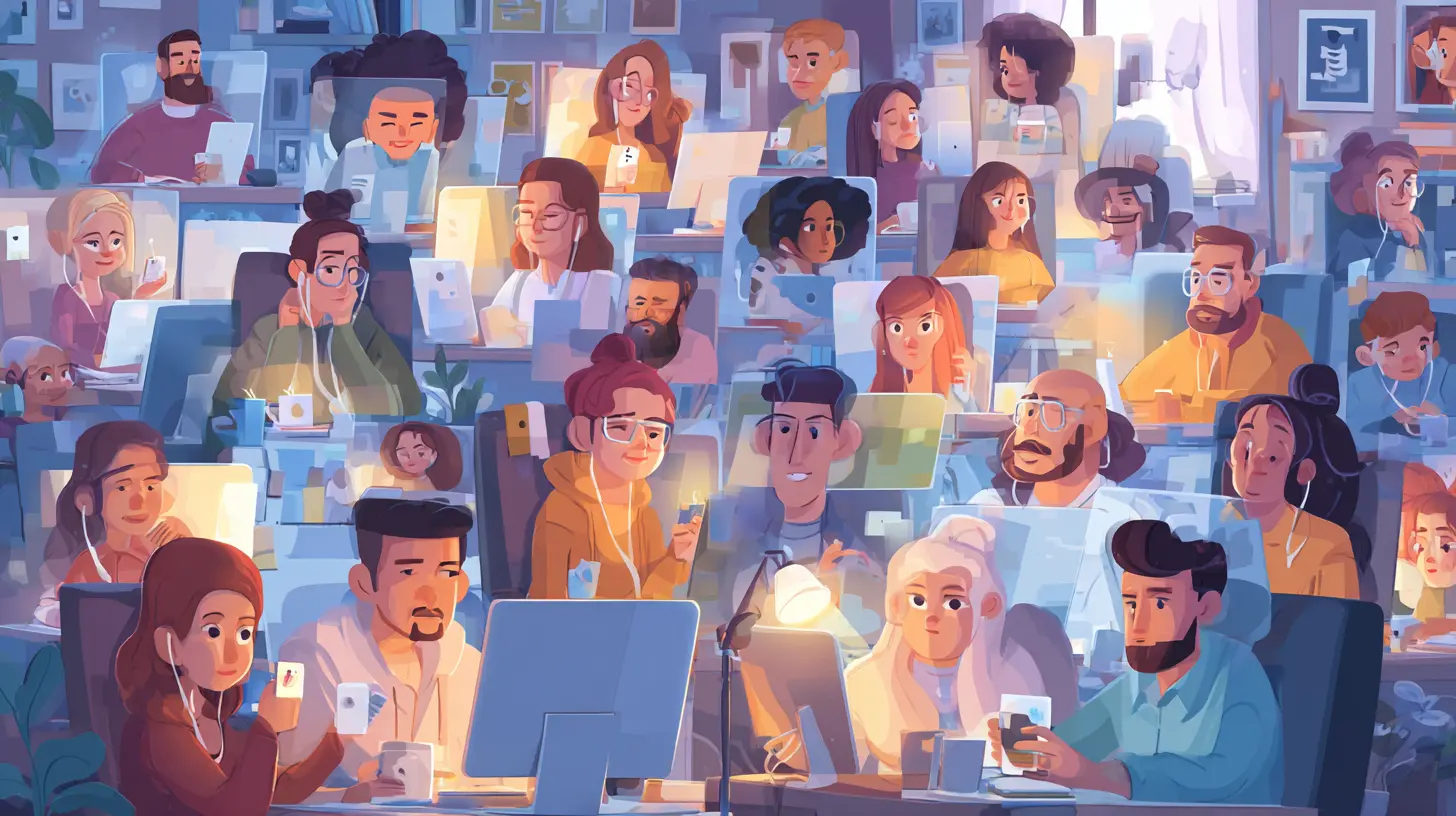
Every virtual meeting is competing with the entire internet. That is not hyperbole. When you are on a video call, your browser is one click away. Your email is one click away. Your phone is right there. The meeting is not the only thing on your screen. It is just one window among many.Psychologists call this the attention economy. Your attention is a limited resource, and every notification is a bid for it. A well-designed virtual meeting does not just ask for attention. It earns it. It makes the cost of looking away higher than the cost of staying engaged.
The biggest mistake meeting hosts make is assuming that people will naturally pay attention because they are on the call. That is false. Attention is not automatic. It is a choice, and people make that choice every few seconds. If the meeting does not give them a reason to stay, they will leave mentally even if they stay physically.
Cognitive load is another factor. In a physical meeting, your brain processes the speaker's voice, their gestures, and the room layout simultaneously. In a virtual meeting, your brain has to process the speaker's voice, their face, the shared screen, the chat window, and your own video feed. That is a lot more work. When cognitive load is high, people get tired faster. They check out sooner.
The solution is not to add more. The solution is to subtract. Fewer slides. Fewer people. Fewer topics. Every single element in a virtual meeting should justify its existence. If it does not add value, it is stealing attention.
Social Presence and the Camera Problem
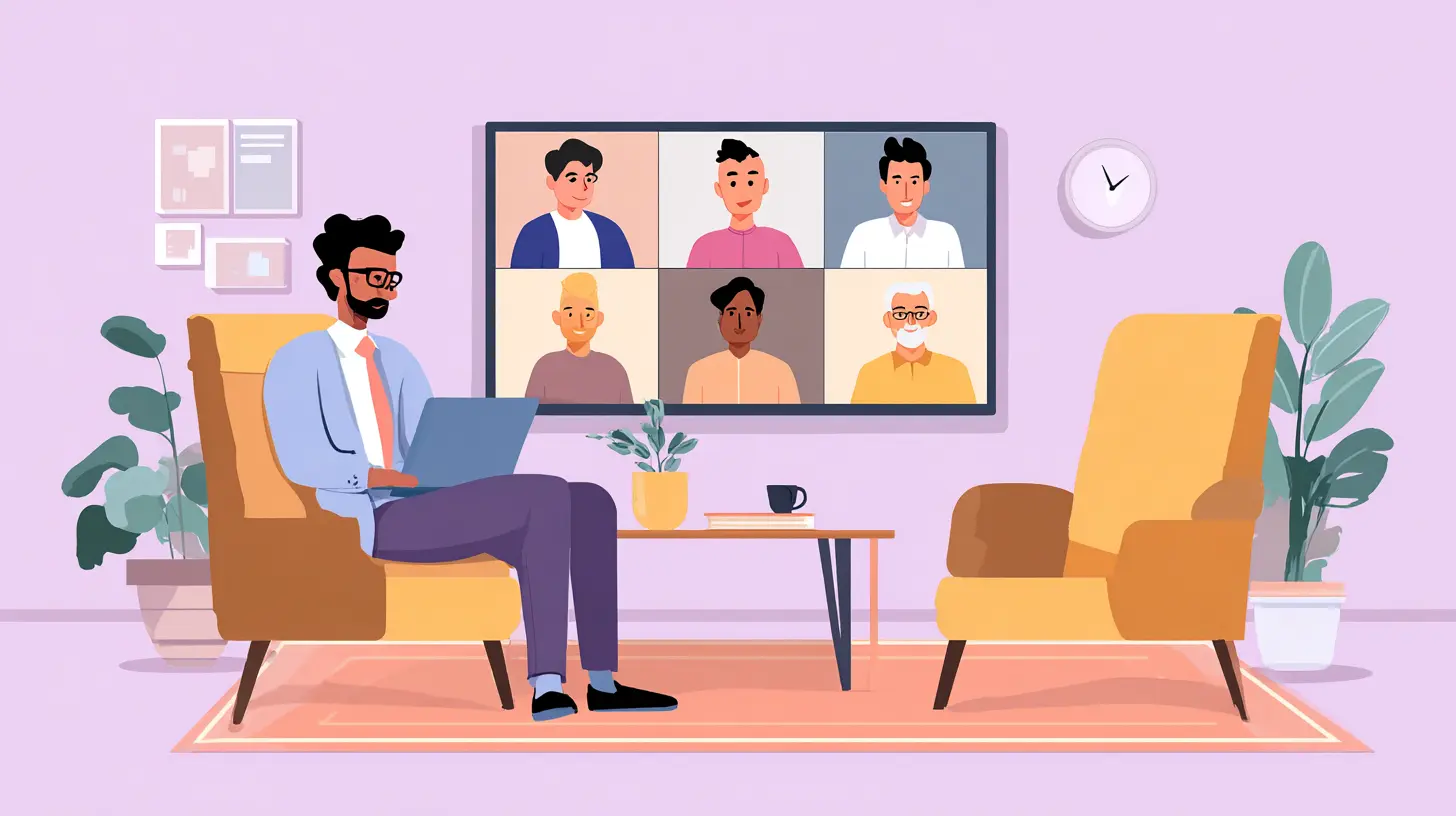
The camera is the most contentious topic in virtual meetings. Some companies mandate cameras on. Others are more relaxed. The psychology here is more nuanced than either side admits.When cameras are on, you get more social presence. People feel more accountable. They are less likely to multitask because they know they can be seen. They are more likely to react non-verbally, which gives the speaker valuable feedback. This is why many team meetings work better with cameras on.
But cameras on also creates anxiety. Some people are deeply uncomfortable seeing themselves on screen. They fixate on their own appearance. They worry about their background, their lighting, their double chin. This self-focus is distracting and exhausting. It increases cognitive load. For introverted people or people with social anxiety, a camera-on policy can be genuinely stressful.
The trade-off is real. There is no single right answer. The best approach is to make cameras the default but not the rule. Encourage people to turn them on for discussion-heavy meetings, but allow cameras off for listening-heavy sessions like presentations or status updates. The key is consistency. If you have a policy, enforce it gently. If you do not have one, do not pretend you do.
One useful trick is to hide your own video feed. Most video platforms let you minimize your self-view. This reduces self-consciousness and lets you focus on others. It is a small change with a big psychological impact.

The Power of Structured Interaction
In a physical meeting, side conversations and spontaneous comments are natural. In a virtual meeting, they are nearly impossible. The technology does not support them. You cannot whisper to the person next to you. You cannot catch someone's eye and signal agreement.This means that virtual meetings need more structure, not less. This is counterintuitive for many people. They think that structure kills spontaneity. But in a virtual environment, structure creates the safety that allows spontaneity to emerge.
The most effective structure is simple and predictable. Start with a clear agenda that is shared in advance. Open with a quick check-in where everyone says one sentence. Then move to the main discussion. For each topic, assign a specific person to lead. Use a round-robin format for opinions instead of asking an open question to the group.
Open questions are the enemy of virtual meetings. When you ask, "Does anyone have thoughts on this?" the silence is deafening. People are waiting for someone else to go first. They are also worried about talking over someone because they cannot see the cues. A round-robin eliminates this problem. You go around the room and give each person a chance to speak. It is slower, but it is far more inclusive, and it produces better input.
Another powerful technique is the use of the chat box as a parallel channel. Ask people to put their reactions in the chat while someone is speaking. This gives the speaker immediate feedback without interrupting the flow. It also gives quiet participants a way to contribute without the pressure of speaking.
The Role of Purpose and Agenda
Many virtual meetings fail before they even start. The problem is that the meeting should not have happened in the first place. If the only purpose is to share information, send an email or a recorded video. A meeting is for discussion, decision-making, or brainstorming. If you are not doing any of those things, cancel the meeting.This sounds obvious, but it is surprising how many recurring meetings exist out of habit. People book a weekly team meeting because they have always had a weekly team meeting. They do not ask whether it is still serving a purpose. The result is a calendar full of meetings that no one wants to attend.
When you do have a valid purpose, the agenda must be specific. Not "Q3 planning" but "Decide on the Q3 marketing budget allocation across three channels." The more specific the agenda, the easier it is for people to prepare and the easier it is for them to stay engaged during the meeting.
Agendas should also include time limits for each item. This creates a sense of pace and prevents the meeting from dragging on. If a topic is not resolved in the allotted time, schedule a separate follow-up. Do not let one topic eat the entire meeting.
The Psychology of the First Five Minutes
The opening of a virtual meeting sets the tone for everything that follows. If the first five minutes are awkward or chaotic, the rest of the meeting will struggle. This is because of primacy bias. People remember the beginning of an experience more vividly than the middle.A strong opening does three things. It establishes the purpose. It sets the social tone. It reduces uncertainty. When people know what to expect, they relax. When they relax, they engage.
Start with a brief check-in. Not a fake "how are you" but a genuine one. Ask people to share one word about how they are feeling, or ask a fun question unrelated to work. This is not a waste of time. It is a social warm-up. It reminds people that they are interacting with humans, not widgets.
Then state the agenda clearly. "We have three items today. The first is the budget. The second is the launch timeline. The third is a quick decision on the vendor. We have thirty minutes, and we will stick to that." This simple statement does more for engagement than any fancy slide deck.
Avoid starting with housekeeping. Do not spend the first five minutes troubleshooting audio issues or asking if everyone can see the screen. Handle those logistics before the meeting starts or in the first sixty seconds. The moment you waste time on technical problems, you signal that the meeting is not well prepared, and people start checking out.
Why Multitasking Happens and How to Stop It
Multitasking is the number one complaint about virtual meetings. People check email. They send messages. They work on other tasks. The typical advice is to shame people into stopping. That does not work. Shame just makes people hide their multitasking better.The psychological reality is that multitasking is a rational response to a meeting that does not demand full attention. People multitask because they can. If the meeting is mostly one person talking and everyone else listening, the listener's brain is underutilized. It seeks other stimulation.
The solution is to make the meeting interactive enough that multitasking becomes difficult. This means breaking the meeting into short segments. No one should talk for more than five minutes without some kind of interaction. This could be a poll, a quick chat response, a round-robin, or a breakout room.
Breakout rooms are particularly effective. They force participation. When you are in a group of three people, you cannot hide. You have to speak. This creates accountability and engagement. The downside is that breakout rooms can feel chaotic if not well facilitated. Give each group a clear task and a clear time limit. Assign a facilitator for each group if possible.
Another approach is to incorporate collaborative documents. Instead of presenting a slide and asking for feedback, put the content in a shared doc and ask people to comment in real time. This turns passive listening into active contribution.
The Role of Breaks and Meeting Duration
Human attention spans are not infinite. The typical adult can focus for about twenty to thirty minutes on a single topic before the mind starts to wander. This applies to physical meetings too, but it is worse in virtual meetings because of the cognitive load we discussed earlier.The fifty-minute or sixty-minute meeting is a relic of the physical office. In a virtual setting, shorter meetings are almost always better. A twenty-five-minute meeting is ideal for a focused discussion. A forty-five-minute meeting is the maximum for most topics. If you need more time, schedule two meetings with a break in between.
Breaks are not optional. If you have a ninety-minute workshop or a half-day session, you must include a five-minute break every forty-five minutes. During the break, encourage people to stand up, look away from the screen, and rest their eyes. This is not coddling. It is physiological. The brain needs rest to maintain attention.
Misconceptions About Engagement
There are several common misconceptions about virtual meeting engagement. The first is that engagement means everyone is talking all the time. That is false. Some people are naturally quiet. They are engaged but they are processing internally. Forcing them to speak constantly can be counterproductive.The second misconception is that high energy equals high engagement. A meeting can be quiet and serious and still be highly engaging. The goal is not entertainment. The goal is meaningful contribution. Sometimes the most engaged people are the ones taking notes and thinking deeply.
The third misconception is that engagement is the responsibility of the participants. It is not. It is the responsibility of the facilitator. If a meeting is boring, that is a design failure. The facilitator controls the agenda, the pace, the interaction, and the tone. Participants will follow the structure they are given.
Practical Best Practices for Facilitators
Here is a consolidated list of practices that work, based on the psychology we have covered.First, prepare like you are hosting a live show. Rehearse your opening. Check your technology in advance. Have a backup plan for screen sharing failures. The smoother the logistics, the lower the cognitive load for everyone.
Second, use names frequently. In a physical meeting, you can point or nod. In a virtual meeting, you have to say the name. "Sarah, what do you think about the timeline?" This is a small thing, but it has a big impact. It makes people feel seen and accountable.
Third, encourage the use of reactions. The thumbs up, the clap, the raised hand. These simple icons provide the non-verbal feedback that is missing from the video feed. They are low effort but high value. They let the speaker know they are being heard.
Fourth, end with clear action items. Do not let the meeting fade out. The last five minutes should be dedicated to summarizing decisions and assigning next steps. "John will send the revised budget by Thursday. Maria will schedule the follow-up for next Tuesday. We will meet again in two weeks." This gives the meeting a sense of closure and purpose.
The Future of Virtual Meetings
Virtual meetings are not going away. Even as some companies push for a return to the office, hybrid work is here to stay. The skills of facilitating good virtual meetings are becoming core professional competencies.The good news is that these skills are learnable. You do not need to be a charismatic speaker. You need to be a thoughtful designer. You need to think about the psychology of your participants. You need to structure the meeting to support their attention, their motivation, and their sense of connection.
The best virtual meetings feel effortless. They feel like a good conversation with smart people. But that effortlessness is the result of deliberate design. It is the result of understanding that a screen is not a room. It is a window into a different kind of space, one that requires different rules, different rhythms, and different expectations.
When you master that, you do not just have better meetings. You have better teams. People feel heard. People feel included. People feel like their time is respected. And that is the real payoff of understanding the psychology behind more engaging virtual meetings.
all images in this post were generated using AI tools
Category:
Virtual MeetingsAuthor:

Pierre McCord