The Rise of Eco-Friendly Gaming Consoles
22 November 2025
Let's face it—gaming is awesome. It transports us to new worlds, fuels our imagination, and connects millions across the globe. But while we're busy collecting XP, unlocking trophies, and leveling up, there's a less glamorous truth hiding in the shadows: traditional gaming consoles aren’t exactly kind to the planet.
Now, before you go tossing your favorite console out the window (please don’t!), take a breath. There’s good news on the horizon. A green revolution is sweeping over the gaming industry, and it’s about time. Say hello to the rise of eco-friendly gaming consoles—a movement that’s redefining how we play, without destroying the planet in the process.
So, what’s the deal with these sustainable consoles? Why are they grabbing headlines? And most importantly, what does it mean for you, the everyday gamer?
Let’s dive in.
Why Gaming Needs to Go Green
Let’s start with a hard truth: gaming isn’t immune to environmental impact. Think about the millions of consoles produced every year. There's the energy to manufacture them, the plastics and metals used, and the electricity they eat up during long gaming sessions. And don’t even get me started on e-waste.According to a report by the Global E-Waste Monitor, over 53 million metric tons of e-waste were generated globally in 2019—that’s the weight of about 350 cruise ships! Gaming hardware is part of that pile, and sadly, a big chunk of it ends up in landfills.
Power consumption is another major concern. Consoles like the PlayStation 5 and Xbox Series X can draw a serious amount of power. Multiply that by millions of gamers worldwide and... well, you get the picture.
It’s become clear: the gaming industry can no longer ignore its carbon footprint.
The Turning Point – A Shift in Thinking
Here’s the silver lining. Gamers, developers, and companies alike are starting to care. We’re entering an age where eco-consciousness isn’t just a buzzword—it’s a demand.In response, major players in the industry are finally making moves toward sustainability. They're reimagining how consoles are made, powered, and even packaged.
Why now, you ask? A few reasons:
- Consumer Awareness: Let’s be real, we care more than we used to. The average gamer is no longer okay with ignoring climate change.
- Global Climate Goals: Governments and corporations are under pressure to cut emissions and reduce waste. Gaming companies are part of that conversation.
- Economic Benefits: Sustainable design doesn’t just help the planet—it can also cut costs in the long run.
It’s a win-win.
What Makes a Console “Eco-Friendly”?
This is where things get interesting. An eco-friendly gaming console isn’t just one that uses less power. It's about the whole lifecycle—from how it’s built to where it ends up.Here are the key features that make a gaming console green:
1. Recycled and Sustainable Materials
Plastic is a huge culprit in electronics manufacturing. Eco-friendly consoles aim to change that by:- Using recycled plastics and metals,
- Sourcing materials sustainably (think bamboo composites instead of petroleum-based plastics),
- Reducing overall material usage with minimalist designs.
Sony, for example, has committed to using recycled plastics in the production of PlayStation consoles to reduce environmental impact.
2. Energy Efficiency
This is a big one. Modern gaming consoles are power-hungry beasts, but green versions are designed to sip rather than guzzle.Many eco-conscious consoles now come with:
- Low-power standby modes,
- Efficient power supplies,
- Smart energy-saving features.
The Xbox Series X and S, for instance, include a “shutdown (energy saving)” mode that uses way less energy than the default.
3. Modular and Repairable Design
Let’s be honest: our devices are often built to die young. But that’s changing.Eco-friendly consoles are moving toward:
- Modular components that are easy to replace,
- Repair-friendly designs that extend lifespan,
- Open hardware standards to avoid vendor lock-in.
Remember the Steam Deck? Its modularity means you can swap out parts instead of tossing the whole thing—big win for the planet.
4. Sustainable Packaging
Packaging might seem minor, but the waste adds up. That’s why green consoles are often packaged in:- Recyclable cardboard instead of plastic clamshells,
- Plant-based inks and dyes,
- Minimalist designs to reduce overall material use.
Nintendo, for instance, has started reducing plastic packaging across many of its products, setting an example for others.
5. Recycling and Take-Back Programs
Finally, an eco-friendly console doesn’t vanish into thin air when you’re done with it. Progressive companies are rolling out take-back programs, encouraging users to return their old devices for proper recycling.Sony’s "Road to Zero" initiative, Microsoft’s "Devices Recycling" program—these are more than PR stunts. They're steps toward real change.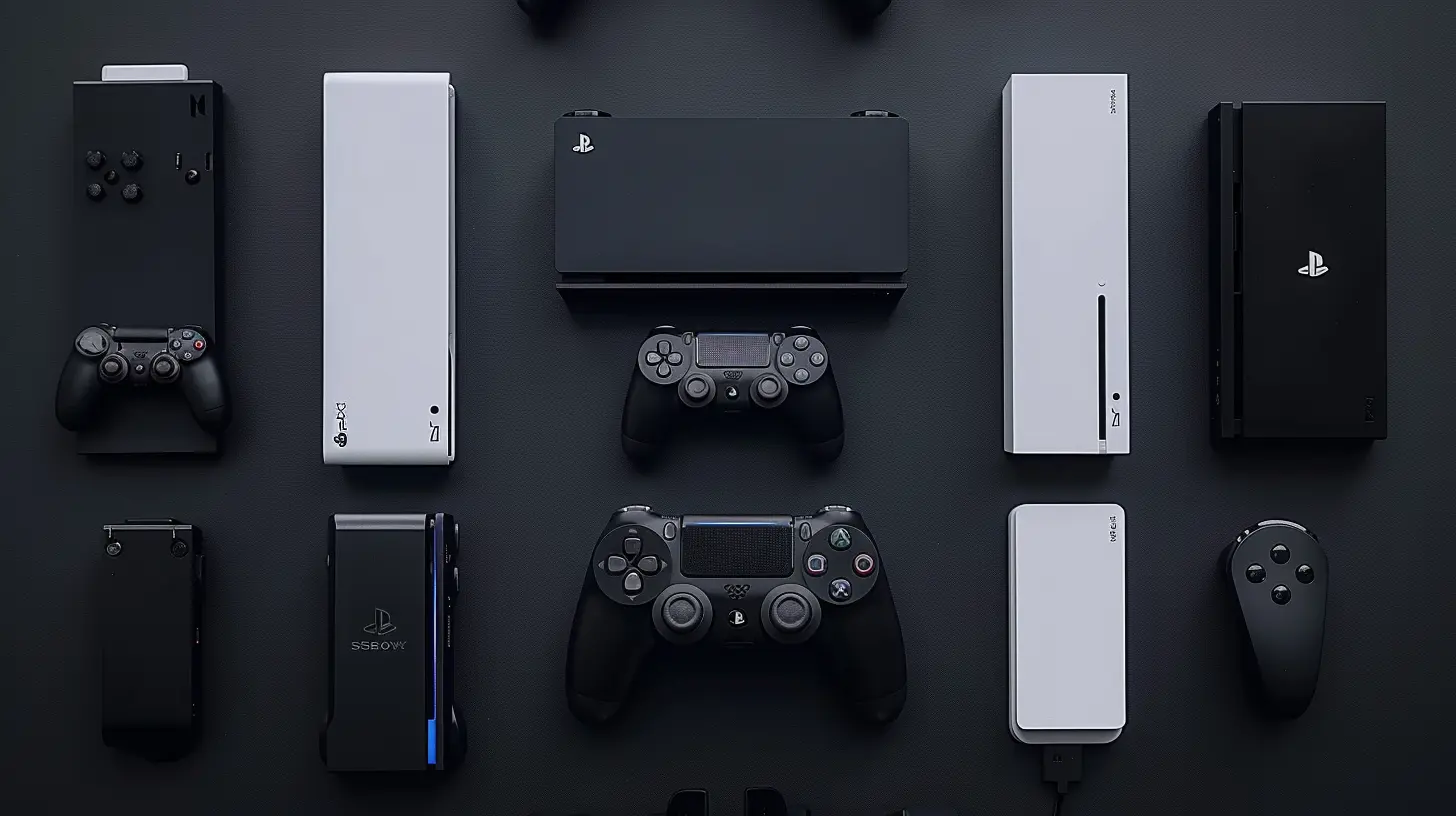
Brands Leading the Green Charge
Let’s give credit where it’s due. Some players in the gaming industry are ahead of the curve when it comes to sustainability.🌿 Sony
Sony has committed to becoming carbon neutral by 2040. Their “Green Management 2025” plan includes reducing energy consumption of PlayStation systems and using recyclable materials. The PS5 is a power-hungry machine, yes, but it includes energy-saving standby modes and is made with more recycled plastic compared to previous models.🌿 Microsoft
Microsoft isn't playing around. They’ve pledged to become carbon negative by 2030 and are pushing hard for green initiatives. The Xbox Series X|S consoles use Post-Consumer Recycled (PCR) resins in their design and feature energy-efficient software updates.They’re also the first consoles to include carbon-aware updates—meaning your Xbox checks your local electrical grid and schedules updates when electricity demand is lower.
🌿 Nintendo
Though traditionally a bit slower in this area, Nintendo has been making subtle strides. They're reducing packaging waste and exploring more eco-friendly manufacturing processes. The company’s environmental report outlines steps toward reducing CO₂ and promoting product recycling.Indie and Alternative Eco-Consoles
It’s not just the tech giants making waves. Independent creators and startups are experimenting with radically sustainable console ideas.🎮 The Playdate
This quirky, handheld console by Panic features minimal materials, a hand-crank for power (seriously!), and a focus on low-energy use. It’s a love letter to simplicity and sustainability.🎮 Atari VCS
Atari’s modern revival includes efforts to adopt greener materials and efficient components. While not entirely eco-focused, it represents a shift in the mindset even among legacy brands.🎮 Cloud Gaming Devices
Let’s not forget cloud gaming platforms like Google Stadia (RIP), NVIDIA GeForce NOW, and Xbox Cloud Gaming. While not traditional consoles, they shift the processing to data centers—many of which are becoming fully powered by renewable energy.This reduces the need for high-power devices at home and cuts down on e-waste generated by constant hardware upgrades.
What About the Games Themselves?
Console hardware is only half the battle. The way games are distributed and played also matters.Digital downloads are increasingly replacing physical discs, cutting down on plastic packaging and transportation emissions. On the flip side, it does raise concerns about data center energy use.
Game developers are also starting to weave eco-conscious messages into gameplay itself. Think “Beyond Blue” or “Alba: A Wildlife Adventure” – games that raise awareness while still delivering fun.
What Can You Do as a Gamer?
You don’t need to be a hardcore environmentalist to make a difference. Here are a few simple ways you can level up your sustainability game:- Use energy-saving modes: It’s a quick setting change that makes a big difference.
- Buy digital when you can: Less packaging, less waste.
- Support brands that care: Put your money where your values are.
- Recycle old consoles: Don’t let them gather dust—or worse, become landfill.
- Spread the word: Talk about sustainability with your gaming squad.
Remember: every little bit helps. You don’t have to be perfect—just better than yesterday.
The Future of Eco-Friendly Gaming Consoles
The trend is clear: the future of gaming is green. As technology evolves, we’re likely to see even more innovations that blend performance and planet-friendliness.Expect things like:
- Solar-powered handhelds,
- Biodegradable components,
- Fully modular and upgradable consoles, and
- More cloud-based gaming powered by renewable energy.
Gamers, developers, and manufacturers are beginning to see that saving the planet might just be the ultimate boss battle—and we’re all players in this game.
Final Thoughts
Eco-friendly gaming consoles aren’t some distant dream—they’re here, they’re growing, and they’re changing the landscape of the gaming industry. Whether you're a casual weekend warrior or a hardcore competitive player, your choices matter.So, next time you fire up your console, take a moment to think beyond the pixels and pings. The real victory? Playing without pressing pause on the planet.
all images in this post were generated using AI tools
Category:
Gaming ConsolesAuthor:

Pierre McCord
Discussion
rate this article
1 comments
Vera Wilson
The shift towards eco-friendly gaming consoles reflects a crucial intersection of technology and sustainability. Embracing these innovations not only enhances our gaming experience but also supports a healthier planet for future generations.
November 23, 2025 at 5:09 PM
Pierre McCord
Thank you for highlighting the importance of sustainability in gaming! Embracing eco-friendly innovations truly benefits both our gaming experiences and the planet.