The Rise of Inclusivity and Diversity at Major Tech Conferences
19 July 2026
Let’s face it—tech conferences haven’t always felt like a place where everyone belonged. For the longest time, walking into a tech event as a woman, a person of color, part of the LGBTQ+ community, or someone with a disability felt like navigating uncharted waters. But here's the good news: that’s finally changing.
From keynotes that highlight marginalized voices to accessibility features that welcome every participant, the tech world is waking up. And it's about time. Let’s dive into how major tech conferences are stepping up to the plate and embracing inclusivity and diversity—not just as buzzwords, but as core values.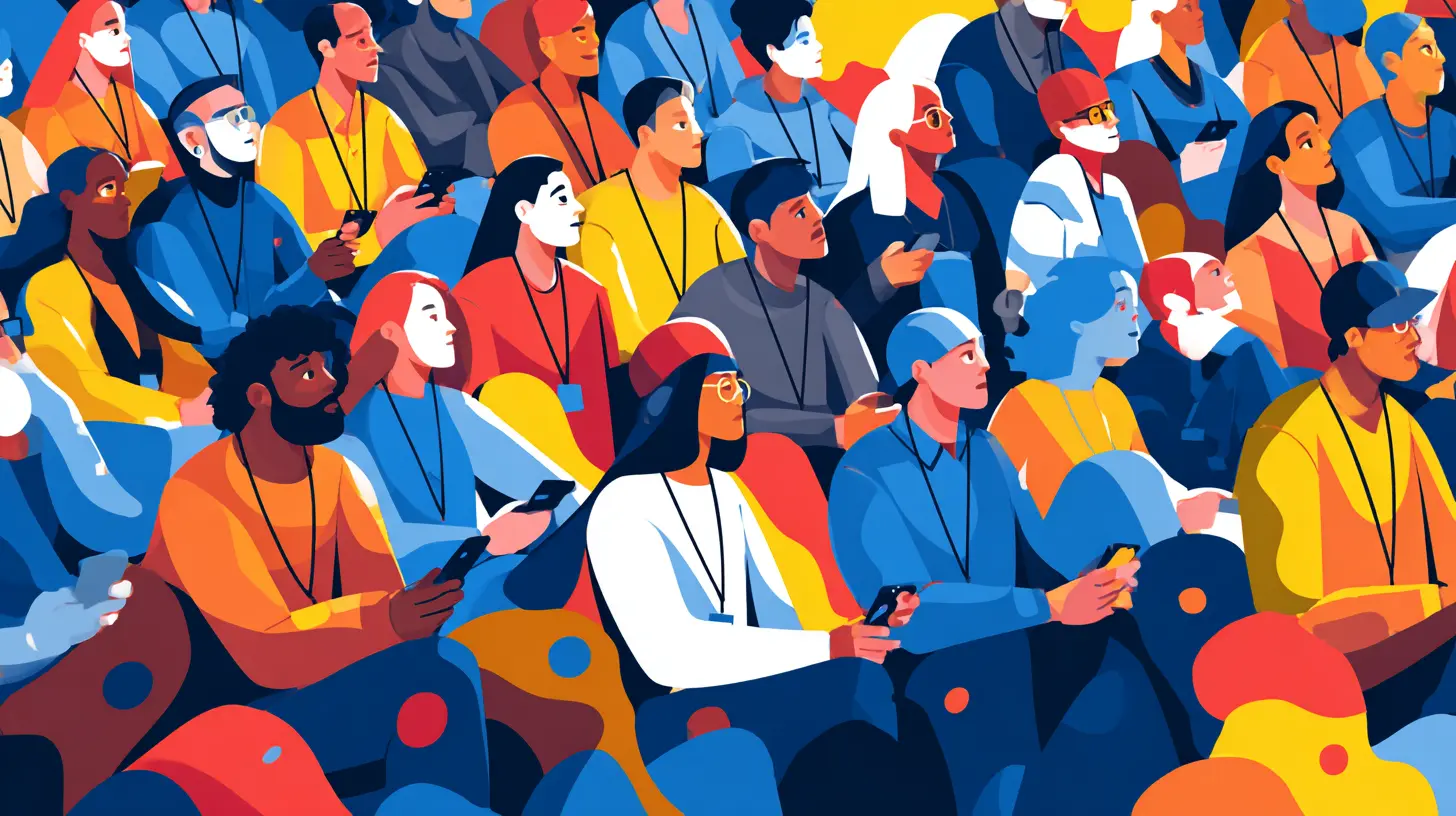
Why This Shift Matters
Before we break down the what and the how, let’s talk about the why.Think about it—technology impacts every corner of our lives. When the people creating it don’t reflect the world we live in, we get skewed results. Self-driving cars that don’t recognize dark-skinned pedestrians? AI tools with gender biases? These aren’t just bugs; they’re red flags waving at us to fix the system.
So, where better to start than at the heart of tech innovation: conferences. These gatherings shape the future. And if inclusivity and diversity aren’t in the room, then the future’s missing crucial voices.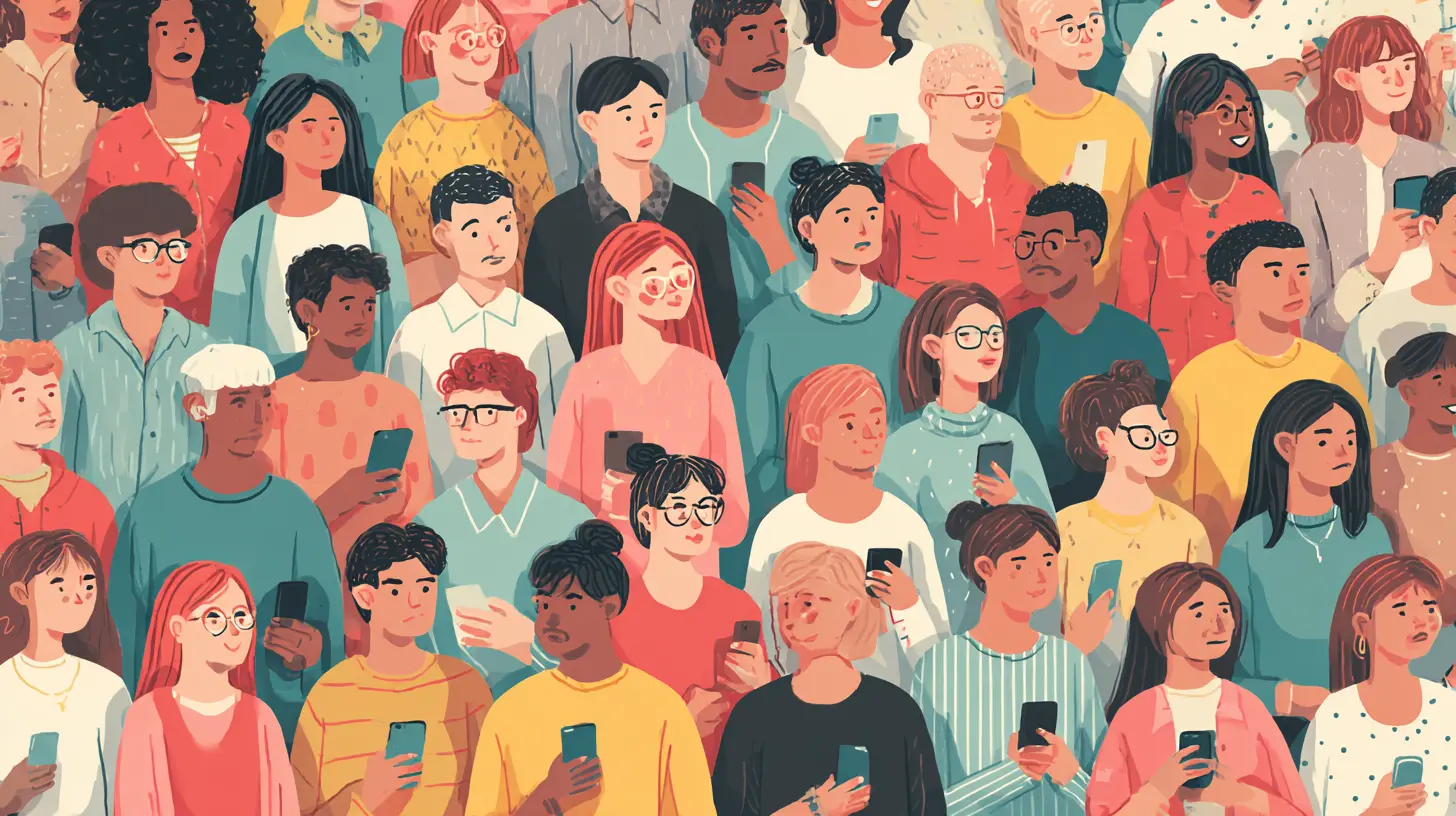
From Homogenous to Harmonious: A Historical Glimpse
A decade ago, tech conferences looked pretty similar—a sea of white, male, able-bodied faces. Panels were predictable. Networking spaces often felt alienating for anyone outside the mainstream.And no, it wasn’t just perception. Stats backed it up. In 2013, for instance, only about 10% of keynote speakers at major tech events were women. Underrepresented racial groups? Even fewer.
Fast forward to today—many conferences now prioritize inclusive speaker lineups. We’re seeing more gender balance, racial diversity, and representation from LGBTQ+ and disabled communities. It’s not perfect yet, but the momentum is real.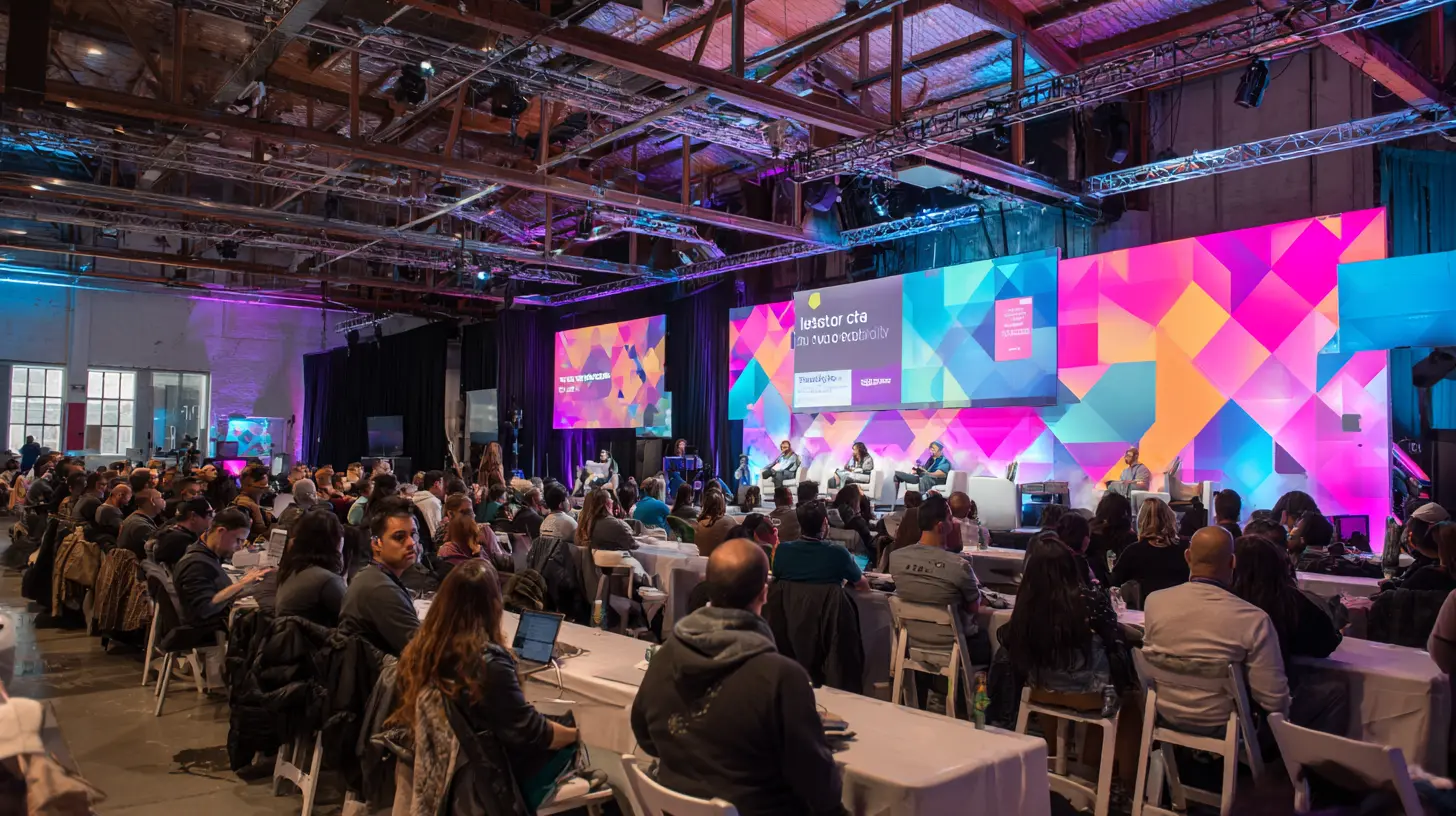
What’s Driving the Change?
A few key forces are pushing this movement:1. Demand from the Community
Tech professionals have spoken up—loudly. Social media movements like #BlackTechTwitter and #WomenInTech have spotlighted the gap. People aren’t just asking for inclusion; they’re expecting it.2. Corporate Accountability
Big tech companies, under increasing scrutiny, are realizing that diversity isn’t just good PR—it’s good business. Conferences, often sponsored by these giants, have followed suit to reflect corporate DEI (Diversity, Equity & Inclusion) commitments.3. Learning from Past Mistakes
Remember that infamous all-male panel discussing "gender diversity in tech"? Or the event with “inclusive” in its title but not a single accessible bathroom? Yeah, those didn’t go unnoticed. Public backlash has pushed organizers to act more mindfully.
The New Face of Tech Conferences: What Inclusivity Looks Like
So, what does true inclusivity look like at tech conferences? Let’s paint that picture.1. Diverse Speaker Lineups
Gone are the days of cookie-cutter keynote rosters. Today, organizers are going the extra mile to feature women, people of color, non-binary individuals, and speakers from around the globe.Take Grace Hopper Celebration, for instance—it’s become one of the largest gatherings of women and non-binary individuals in computing. Speakers there aren’t just diverse in identity—they bring rich, varied perspectives that challenge the status quo.
2. Accessible Event Design
Physical spaces are becoming easier to navigate for attendees with disabilities. Sign language interpreters, wheelchair-accessible stages, quiet rooms for neurodivergent individuals—these aren’t extras anymore; they’re essentials.Virtual events? They're stepping up, too—with captions, screen-reader compatibility, and adjustable screen settings.
3. Inclusive Content and Conversations
You’ll now find workshops addressing racial bias in AI, panels on LGBTQ+ representation in gaming, and sessions on Indigenous technological innovation. The content itself is evolving to reflect a broader spectrum of experiences.This matters because representation isn't just about who is speaking—it’s about what gets talked about.
4. Safe Spaces and Community Zones
Many conferences carve out specific areas or meetups for marginalized groups. These safe spaces allow candid conversations, connection, and support.Ever attended a “Women in Tech” breakfast or “Black Tech Professionals” happy hour? These aren’t just networking events; they build community in a field where it’s easy to feel isolated.
Virtual Events: A Blessing in Disguise?
The pandemic turned the events world upside down—but it also opened new doors for inclusivity.Suddenly, attending a global tech conference didn’t mean booking a flight or affording a pricey hotel room. Anyone with a Wi-Fi connection could join in. For mothers, folks in rural areas, or those with mobility issues, this was a game-changer.
Virtual platforms also allowed more flexibility in programming and accessibility. Need live captions? Prefer to rewind a session late at night? All possible.
Sure, Zoom fatigue is real, but virtual events have helped democratize who gets a seat at the table.
Some Conferences Leading the Way
Let’s spotlight a few major events that are walking the talk.? CES (Consumer Electronics Show)
Long known as a flashy, male-dominated tech expo, CES has made impressive strides. Diverse panels, commitment to accessible spaces, and a clear anti-harassment policy are now standard.?? Grace Hopper Celebration
As mentioned earlier, this is the conference for women and non-binary technologists. With scholarships, career fairs aimed at underrepresented groups, and inclusive programming, it sets a high bar.? Web Summit
Held in Lisbon, Web Summit actively recruits diverse speakers and offers generous support to startups led by underrepresented founders.? AfroTech
Built by and for Black tech pros, AfroTech fuses culture, innovation, and storytelling. Think TED meets HBCU homecoming.?️? Lesbians Who Tech
One of the most inclusive—and fun—conferences out there. It celebrates queer voices in the tech world, and yes, allies are welcome too.Not Just a Checkbox: The Importance of Lasting Change
Here’s the caveat: diversity can’t be a box to tick. It has to be woven into the fabric of planning, execution, and post-event reflection.Here’s how we ensure that this isn’t just a trend:
- Collect and Act on Feedback: Create anonymous surveys to see how attendees really felt about inclusivity.
- Hire Inclusively: From speaker selection to catering vendors, every part of the supply chain can reflect diversity.
- Mentorship Over Moments: Encourage lasting mentorship and partnership programs that continue beyond the conference week.
Because let’s be honest—anyone can throw up a rainbow flag during Pride Month. Real inclusivity takes consistent, thoughtful effort.
The Road Ahead: What Still Needs Work
We’ve made progress, no doubt. But there are still gaps.- Rural and global South representation is lacking.
- Accessibility for all types of disabilities could be better—especially cognitive and sensory inclusion.
- Trans voices are still woefully underrepresented in mainstream tech gigs.
- Affordability remains a barrier for many, even with virtual platforms.
The good news? The momentum is strong. And there’s a growing army of advocates, organizers, and attendees who won’t let the movement stall.
What You (Yes, You!) Can Do
You don’t have to host a conference to make a difference. Whether you’re an attendee, a speaker, or someone tweeting from home, you’ve got power.- Ask Questions: Does this event feature diverse voices? Are accessibility needs considered?
- Offer Support: Suggest underrepresented speakers. Volunteer to mentor.
- Use Your Platform: Share inclusive panels, highlight marginalized voices, and bring attention to events doing it right.
Tech belongs to all of us. And when we say “all,” we mean all.
Final Thoughts
The rise of inclusivity and diversity at major tech conferences isn’t just a phase or a marketing gimmick. It’s a movement grounded in equity, compassion, and the belief that innovation thrives when different minds come together.The tech industry has a long road ahead, but the wheels are in motion. Conferences are no longer echo chambers—they’re becoming welcoming spaces where more people can show up, speak up, and dream bigger.
Let’s keep showing up. Let’s keep pushing. Let’s make sure everyone has a voice at the table.
all images in this post were generated using AI tools
Category:
Tech EventsAuthor:

Pierre McCord