The Role of Encryption in Modern Privacy Tools
30 June 2026
In today’s digital age, privacy isn't just a luxury—it’s a right. But here’s the thing: protecting that right is becoming harder every day. With cyber threats lurking in every corner of the internet and personal data being harvested like it’s going out of style, it’s clear that privacy tools are now essential. And at the heart of these tools is one powerful concept—encryption.
You’ve probably heard the term thrown around a lot. Maybe it sounds like something only tech geeks or spy agencies worry about. But trust me, encryption plays an enormous role in your everyday life, whether you realize it or not.
So, what exactly is encryption? Why should you care about it? And how does it fuel the privacy tools we use today? Let’s break it down in simple terms.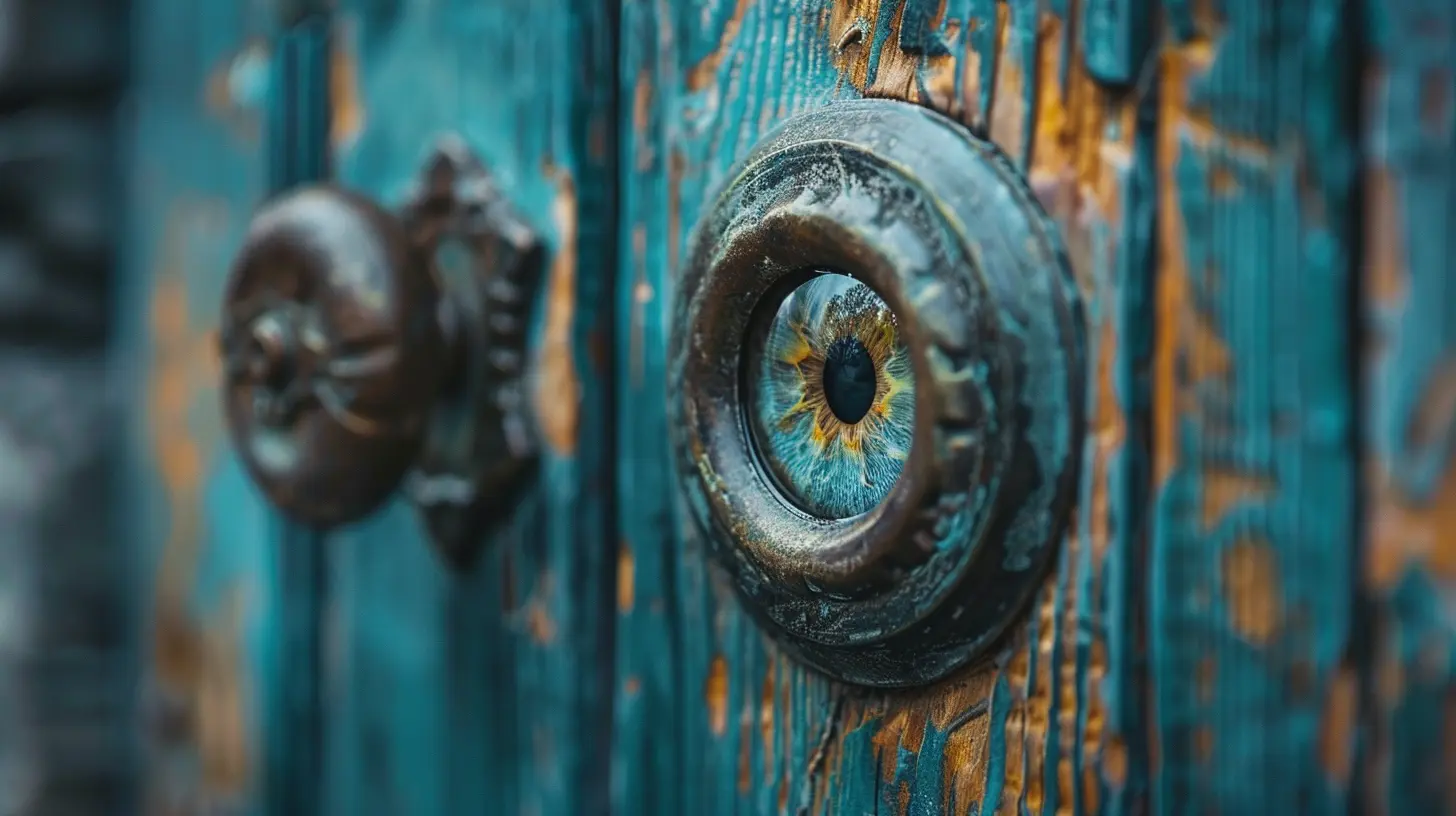
What Is Encryption, Really?
Imagine you're passing a secret note to a friend in class. But you don’t want anyone else to read it—even if it falls into the wrong hands. So, you and your friend invent a code that only the two of you understand. Now that note? It’s encrypted.That’s basically what encryption does but on a much, much larger and more complex scale. In technical terms, encryption is the process of scrambling data into unreadable gibberish using a specific algorithm and a key. Only someone with the correct decryption key can restore it to its original form.
It’s like having a digital lock and key—but way more secure than your average padlock.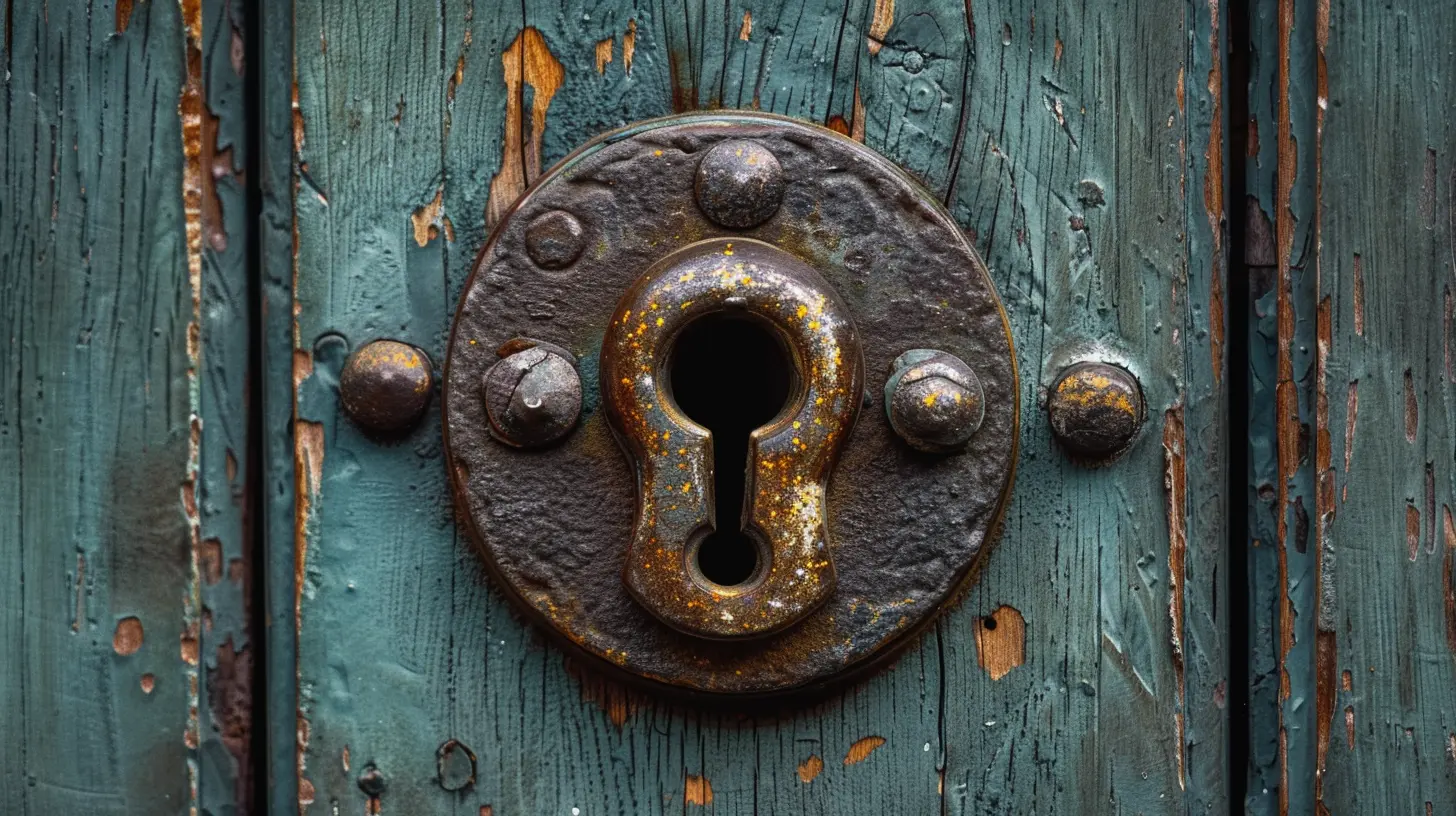
Why Is Encryption So Important Today?
Let’s be real—the internet is a minefield. Every click, every download, every "I agree" on a cookie banner has the potential to give away bits of your personal data. That could include your browsing history, location, email, photos, or even your banking details.Now, think about how often you use messaging apps, e-commerce sites, or even cloud storage. Would you want a stranger—or worse, a cybercriminal—having access to those details? Didn’t think so.
This is where encryption steps in like a digital superhero.
Encryption ensures that whether you’re sending a message, making a payment, or storing files in the cloud, your data stays private. Even if someone intercepts it, they can't read it without the key. It’s your invisible bodyguard in the world of digital communication.
Types of Encryption Used in Privacy Tools
Not all encryption is created equal. There are different flavors, and each serves its purpose depending on the tool and the type of protection needed. Let’s quickly go over the most common types:1. Symmetric Encryption
This type uses one key to both encrypt and decrypt data. Think of it like using the same password to lock and unlock a box. Simple, fast, and efficient—perfect for secure storage or encrypted drives.Popular Algorithms: AES (Advanced Encryption Standard), DES (Data Encryption Standard)
2. Asymmetric Encryption
This method uses two keys: a public key to encrypt and a private key to decrypt. It's like giving everyone a locked mailbox where only you have the key to open it.Use Case: Email encryption, SSL/TLS in websites, cryptocurrencies
Popular Algorithms: RSA, ECC (Elliptic Curve Cryptography)
3. End-to-End Encryption (E2EE)
You’ve probably seen this term pop up on messaging apps like WhatsApp and Signal. E2EE ensures that only the sender and receiver can read the messages—not even the service provider.It’s the digital equivalent of whispering in someone’s ear in a crowded room.
Encryption in Action: Modern Privacy Tools That Use It
Now that we’ve covered the basics, let’s talk about where you actually see encryption making an impact. Spoiler alert: it’s everywhere!1. Private Messaging Apps
Apps like Signal, WhatsApp, and Telegram pride themselves on offering secure conversations through end-to-end encryption. What you say stays between you and your recipient—no snooping allowed.Wondering why this matters? Well, think about journalists communicating with sources, whistleblowers revealing corruption, or even just your own private chats. That layer of security builds trust.
2. Virtual Private Networks (VPNs)
A VPN creates a secure tunnel between your device and the internet. It encrypts your data before it leaves your device, so your ISP, hackers, or even the coffee shop Wi-Fi can’t see what you're doing.It's like wearing an invisibility cloak when browsing.
3. Email Encryption Tools
Most regular email is about as secure as a postcard—anyone along the way can peek. But tools like ProtonMail and Tutanota use built-in encryption to protect your messages. You can also use plugins like PGP (Pretty Good Privacy) for added security.4. Encrypted Cloud Storage
Cloud services like Google Drive or Dropbox are convenient, but are they private? Not always. Platforms like Tresorit, Sync.com, and MEGA offer client-side encryption—meaning your files are encrypted before they even touch their servers.The result? Only you hold the keys.
5. Password Managers
Why write down your passwords on sticky notes (please don't) when you can use an encrypted vault? Tools like Bitwarden, 1Password, and LastPass store your passwords using advanced encryption, ensuring that even if someone breaks in, they get nothing but scrambled text.6. Disk and File Encryption
Want to protect files on your computer? Tools like VeraCrypt or BitLocker allow you to encrypt drives or individual files. If someone steals your laptop, they're not getting past the encryption without the right key.How Encryption Helps Maintain Privacy
So what exactly does encryption shield you from? Let’s take a look:- Hackers and Cybercriminals: Even if they intercept your data, they’d need supercomputers (and a million years) to crack strong encryption.
- Mass Surveillance: Encryption helps protect your activities from being tracked by governments or corporations.
- Data Breaches: If a company storing your information is hacked, encrypted data ensures your information isn’t easily stolen.
- Identity Theft: By encrypting your sensitive info, you reduce the chances of someone impersonating you online.
Bottom line? Encryption makes your digital life a whole lot safer.
The Balancing Act: Privacy vs. Accessibility
Here’s where things get a little tricky.Encryption is powerful, but it’s not always perfect. Some people argue that strong encryption can also hide illegal activities. Others believe that governments should have "backdoors" into encrypted tools for national security.
But here's the catch—once you create a backdoor, it’s no longer secure. If good guys can use it, bad guys can too. It’s like leaving a key under your doormat and expecting only your friends to find it.
Privacy advocates argue that encryption should be absolute. After all, you don’t need to justify your right to privacy, do you?
User Responsibility: Encryption Isn’t a Magic Wand
Let’s be clear—encryption is powerful, but it’s not a set-it-and-forget-it deal.You need to play your part too. Use strong, unique passwords. Keep your software updated. Don’t click suspicious links. Even the best encryption can’t save you from human error.
Think of it like wearing a seatbelt. It’s a crucial safety tool—but only if you actually buckle up.
The Future of Encryption in Privacy Tools
The future looks both exciting and challenging.On the one hand, we’re seeing innovations like post-quantum cryptography, which aims to secure data against powerful quantum computers expected to emerge in the future. On the other hand, we’re also up against increasing pressure from entities that want to weaken encryption for control or profit.
At the end of the day, the demand for privacy is only going to grow. People are waking up to the fact that their data is valuable—and that protecting it is non-negotiable.
Encryption will remain a cornerstone, evolving with new technologies to meet new threats. And as more of our lives move online, its role will only become more critical.
Final Thoughts
Encryption might sound like a complicated tech buzzword, but it's really just a tool—a powerful one that helps keep your digital life yours. Whether you're texting your partner, transferring money, or storing photos in the cloud, encryption works quietly in the background to ensure your privacy is respected.It’s like the plumbing in your house. You don’t see it, you don’t think about it, but you'd definitely notice if it stopped working.
So next time you open your favorite privacy app or browse through a "secure" website, remember—encryption is the unsung hero making it all possible. And with the way things are going, it’s safe to say we’re going to need it more than ever.
all images in this post were generated using AI tools
Category:
Privacy ToolsAuthor:

Pierre McCord
Discussion
rate this article
1 comments
Uriah Pacheco
Encryption is essential for protecting our privacy.
July 14, 2026 at 4:26 AM
Pierre McCord
I completely agree. Encryption is a crucial component in safeguarding our personal information in today's digital landscape.