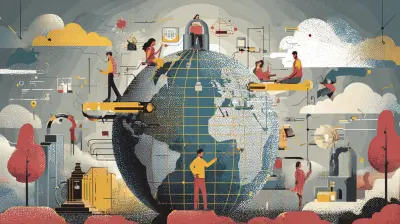
The Role of Green Technology in Disaster Recovery and Relief
7 December 2025
Let’s face it—natural disasters are unpredictable, leave behind chaos, and often hit when we least expect them. From hurricanes to wildfires, floods to earthquakes, one thing is certain: disaster recovery and relief efforts need to be faster, smarter, and more sustainable than ever before. And guess what’s stepping up to the plate in the most inspiring way possible? Green technology. 🌿⚡
Yes, green tech isn’t just about solar panels and wind turbines on fancy rooftops. It’s driving real change in how we respond to emergencies, save lives, rebuild communities, and restore hope. If you think eco-friendly solutions and disaster relief don’t mix, get ready to have your mind blown.
In this cheerful and eye-opening read, we’ll dive deep into the magical world of green technology and its powerful role in disaster recovery and relief. So, grab a cup of your favorite beverage and settle in—this is one tech journey that ends on a high note!
🌍 What is Green Technology Anyway?
Before we dive into the "why" and "how", let’s get on the same page. Green technology is all about using science and innovation to create products and systems that are environmentally friendly. Think solar-powered generators, biodegradable emergency shelters, water purifiers that use zero electricity—yep, all that cool stuff!The goal here is pretty simple: reduce carbon footprints, preserve natural resources, and take care of our lovely planet. But what happens when Mother Nature throws a curveball and disaster strikes?
That’s where the beauty of green tech really shines.
🌀 The Growing Need for Sustainable Disaster Response
Disasters are becoming more frequent and intense (thanks, climate change). The aftermath is often devastating—people lose homes, power goes out for days, clean water becomes scarce, and infrastructure crumbles.Now, traditional relief methods heavily rely on fossil fuels, non-recyclable materials, and energy-intensive logistics. Sure, they get the job done, but at what cost?
Wouldn’t it be smarter—and greener—to build disaster recovery systems that not only do the job but also help the environment instead of harming it further?
Ding ding ding! Enter green technology.
☀️ Solar Energy: The Hero in the Dark
Okay, picture this: a hurricane knocks out the power grid. Hospitals, shelters, and communication towers go dark. Total chaos, right?Now imagine if those facilities had solar-powered systems with battery backups. Boom—instant power, zero emissions, and lives saved.
Solar panels can be rapidly deployed, don’t need fuel to operate, and keep the lights on when the grid goes down. They're lightweight, portable, and just ridiculously smart. Some relief organizations are even using foldable solar mats—yep, like camping gear, but for saving lives.
Whether it’s charging phones, powering hospital equipment, or running clean water systems, solar energy is a total MVP in disaster zones.
💧 Clean Water, Clean Conscience
Access to clean water is often the biggest headache after a disaster. Pipes break, water sources get contaminated, and people get sick—fast.But green tech is here with some clever solutions. Portable water purifiers powered by solar or hand-crank energy can turn dirty water into drinkable H2O within minutes. Some even use UV light to kill bacteria without a drop of electricity.
There are also plant-based and charcoal-based filters that are biodegradable and super effective. It’s like having a Brita on steroids—but planet-friendly and life-saving.
🏕️ Eco-Friendly Emergency Shelters
Tents and temporary housing are essential post-disaster. But instead of using plastic-based, non-recyclable materials, we can go green with biodegradable shelters made from bamboo, mycelium (that’s mushroom roots, believe it or not), or recycled plastic.Some designer shelters are solar-powered mini homes with built-in lighting and water collection systems. Sleek, functional, and better for the Earth.
These shelters don’t just provide a roof—they provide dignity. And that matters.
🛠️ Rebuilding with Sustainable Materials
When it’s time to rebuild, green technology has all the tools in its eco toolbelt. Traditional rebuilding often involves materials that are wasteful, energy-intensive, or downright harmful to the environment.But sustainable construction options—like rammed earth, recycled steel, or compressed earth blocks—are durable, cheaper in the long run, and better for the ecosystem.
Even better? They create jobs in local communities and reduce dependency on imported goods. It’s a beautiful cycle of rebuild and renew.
🚁 Green Drones & Robotics in Search and Rescue
Let’s geek out a little, shall we?Drones and remote-controlled robots are now part of many disaster relief missions, and green tech is making them lighter, quieter, and more energy-efficient.
Solar-powered drones can fly longer without needing bulky batteries. They help find survivors, map disaster zones, and deliver medical supplies—all without burning a single drop of fossil fuel.
It’s like something out of a sci-fi movie, except it’s happening right now.
🌱 Sustainability in Supply Chains
Getting supplies to disaster zones is a logistical nightmare. But green tech can untangle the mess.Electric and hydrogen-powered trucks and boats are beginning to replace diesel-guzzling transport. Drone deliveries are reducing the need for lengthy convoys. Even packaging is going green with compostable materials and reusable containers.
The greener the supply chain, the faster and cleaner the response. Double win.
🧠 Smart Tech + Green Tech = Disaster Relief 2.0
What happens when you mix artificial intelligence with eco-conscious design?You get some of the smartest disaster recovery systems on the planet. Some apps and smart tools now use real-time data, satellite imagery, and predictive algorithms to track weather events, assess damage, and guide relief efforts—all powered by renewable servers.
It’s like giving first responders a superpower. And it helps save time, resources, and, most importantly, lives.
✨ Real-World Examples That Warm the Heart
Don’t just take our word for it—here are some real-life examples of green tech in action:- Puerto Rico after Hurricane Maria – Solar microgrids helped restore power to hospitals and schools when the main grid was toast.
- Nepal earthquake recovery – Locals used compressed stabilized earth blocks (CSEBs) to rebuild homes that are stronger and earthquake-resistant.
- California wildfires – Firefighting drones with solar charging reduced the need for fuel-based helicopters.
These aren’t just cool stories—they’re proof that green tech works in crisis zones.
💖 Why It Matters: A Human, Planet-Friendly Future
Using green technology in disaster recovery isn’t just about saving energy—it’s about saving lives, shortening recovery time, and ensuring we don’t trash the planet while trying to fix it.When disasters strike, emotions run high. People need hope. They need action. Green tech brings speed, sustainability, and a small sign that we’ve learned how to do things better.
Plus, it empowers communities to take control. Solar kits, green homes, water purifiers—they all give people tools, not just handouts. That’s powerful.
🚀 Barriers? Sure. But Not Roadblocks!
Alright, let’s keep it real—green tech isn’t perfect. Some solutions still cost more upfront. Others need proper training or infrastructure to deploy effectively. And in some areas, policy and red tape make things extra tricky.But here’s the catch: every new innovation gets better, cheaper, and more accessible over time. Look at how far we’ve come with smartphones, solar panels, and even electric cars.
With the right support, green tech will soon become the default, not the exception.
🎯 How You Can Get Involved
- Support NGOs and relief organizations that focus on sustainable recovery.- Push for policies that fund green innovation in disaster planning.
- Educate yourself and your community—share stories, spread the word.
- Even small actions, like choosing eco-friendly emergency gear, can make a difference.
Remember, disaster recovery isn’t just a government job—it’s a global, collective effort. And everyone has a part to play.
🌟 Closing Thoughts
In the face of disaster, we often find ourselves at a crossroads: go back to the old ways or rise toward something better. Green technology gives us a brighter path—one where hope, resilience, and environmental responsibility can go hand in hand.From portable solar panels lighting up shelters to robots searching for survivors, eco-innovation is changing the game. It proves that even in our darkest hours, we can turn to the sun, the wind, and our own creativity to shine a light.
So next time you hear about a natural disaster, think not just of the damage—but of the potential for a greener, safer comeback. Because the future of recovery isn’t just strong. It’s sustainable.
all images in this post were generated using AI tools
Category:
Green TechnologyAuthor:

Pierre McCord
Discussion
rate this article
2 comments
Kairo Watson
Embracing green technology in disaster recovery not only rebuilds communities but also fosters resilience. Together, we can create a sustainable future while healing the planet and its people!
December 29, 2025 at 4:00 AM
Pierre McCord
Thank you for your insightful comment! Embracing green technology indeed plays a crucial role in rebuilding communities and promoting sustainability in disaster recovery. Together, we can make a positive impact!
Jessica McDonough
Green technology is vital for sustainable disaster recovery, enhancing resilience and efficiency while minimizing environmental impact in relief efforts.
December 7, 2025 at 4:14 AM
Pierre McCord
Thank you for highlighting the importance of green technology in disaster recovery. Its role in promoting sustainability and resilience is indeed crucial for effective relief efforts.