Understanding Soft Robotics: Flexible Machines for Diverse Tasks
1 May 2026
Imagine machines that can twist, bend, squeeze, and stretch like living organisms. Not the cold, metallic kind of robots we see in traditional factories — but something more organic, more alive. Welcome to the mesmerizing world of soft robotics. This isn’t just science fiction or a futuristic fad. Soft robotics is already shaping how we interact with machines in fields like healthcare, agriculture, ocean exploration, and even space travel. But what exactly is it? Why is everyone buzzing about it? And how is it going to change the world as we know it?
Let’s pull back the curtain and dive deep into the mysterious and flexible universe of soft robotics.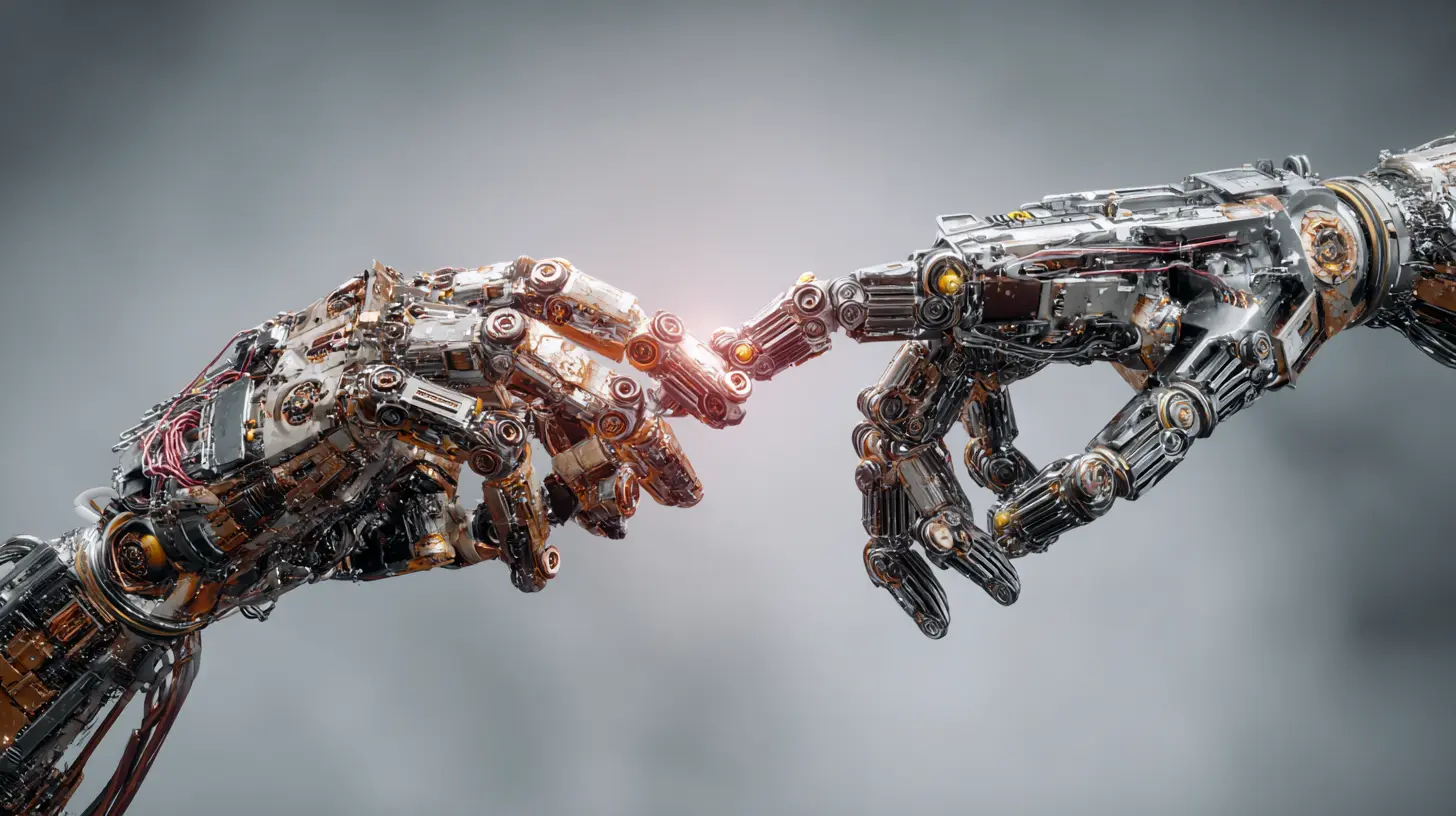
What Is Soft Robotics, Anyway?
To put it simply, soft robotics is a subfield of robotics that focuses on creating robots from highly flexible materials — think rubber, silicone, and shape-memory alloys — rather than rigid metal or hard plastic.Traditional robots are stiff and precise. They’re like chess players — strategic, predictable, and limited in movement. Soft robots, on the other hand, are more like dancers — fluid, adaptable, and responsive to their environment.
Unlike traditional robotic arms or humanoid bots, soft robots can squish into tight spaces, move delicately around fragile objects, or even mimic biological actions like gripping, crawling, or swimming.
Sounds wild, right?
Why Soft Robotics Is a Big Deal
So, what’s the hype all about? Why should you even care about soft robots?Here’s the deal: a robot made of rigid materials is limited by its very design. It can’t safely interact with humans, handle delicate objects, or access environments that require flexibility. Soft robotics solves all that.
Let’s say you want a robot to assist a surgeon. It needs to be gentle, precise, and safe to interact with soft human tissue. A traditional robot might bruise or damage what it touches. A soft robot, on the other hand, can mold and move naturally, behaving more like a trusted assistant than a mechanical hazard.
Pretty cool, huh?
The Science Behind Softness
Okay, how do these things even work?Soft robots aren’t just squishy blobs with no brain. They’re engineered marvels that use air pressure (pneumatics), hydraulic fluid, magnetic fields, or even body heat to move and transform.
Imagine pumping air into a balloon and watching it expand, bend, or twist. That’s kind of how many soft robots function. They use chambers and actuators that inflate, deflate, or reshape to create motion.
The materials used are often bio-compatible, stretchable, and lightweight. Think silicone rubber, electroactive polymers, smart gels, and shape-memory alloys.
But the real genius? They don’t need complicated joints or motors to move — their very structure is what allows them to perform tasks. Flexible logic, if you will.
Bio-Inspired Designs: Nature Knows Best
Let’s face it — nature is the greatest engineer of all time.From the octopus to the elephant’s trunk, nature provides countless examples of creatures that perform complex tasks without bones. Soft roboticists take huge inspiration from these masters of movement.
Take the robotic octopus, for example. With no hard skeletons, its tentacles can navigate rocky seafloors, wrap around objects, and adapt to the tightest corners. That’s a dream come true for underwater exploration or search-and-rescue missions.
Even the way a worm moves through soil is being studied to design robots that can navigate underground pipelines or deliver targeted medicine inside our bodies.
When in doubt, copy Mother Nature — she’s been doing this for billions of years.
Key Applications: Where Soft Robots Are Making Waves
Soft robotics isn't just some fascinating fringe topic. It’s making its presence known — and felt — across a wide range of industries.1. Healthcare & Medicine
Imagine a soft robot navigating inside your body to deliver drugs, monitor health, or even assist in surgery. We're talking about tiny, flexible bots that can go where no scalpel can.Robotic prosthetics are also being revolutionized. Soft robotic limbs can provide a more natural range of motion and even offer sensory feedback to amputees. Feels futuristic? It’s actually happening now.
2. Agriculture
Picking strawberries sounds easy until you realize how delicate they are. A rigid robot would crush the fruit, but a soft robotic gripper? That’s like a farmer’s gentle hand.Soft robots are being used to harvest crops, monitor plant health, and operate in unpredictable outdoor environments without causing damage.
3. Search and Rescue
In disaster zones where structures collapse, people get trapped in tight spaces. Traditional robots can’t always navigate such chaos — but soft robots can squirm through debris, crawl under rubble, and locate survivors.Think of them as mechanical snakes or caterpillars, programmed to save lives.
4. Underwater Exploration
The ocean is one of Earth’s last frontiers. Soft robots, modeled after marine creatures, can withstand underwater pressure and maneuver in places where submarines or divers simply can’t go.They can monitor coral reefs, search for underwater mines, or study deep-sea organisms — all without disturbing the environment.
5. Space Missions
Space is unforgiving and unpredictable. NASA and other space agencies are investing in soft robotics to create adaptable, lightweight robots that can withstand the harsh conditions of space, repair satellites, or even build extraterrestrial habitats.Robots in space? Yes. Flexible, shape-shifting ones? Even better.
Challenges on the Road Ahead
Let’s not sugarcoat it — soft robotics isn't all smooth sailing.Durability
Soft materials are inherently… well, soft. They can tear, degrade, or puncture more easily than metal. Finding the right balance between flexibility and durability is an ongoing challenge.Control Systems
Controlling a soft robot isn’t as straightforward as programming a rigid arm to move from point A to B. It involves complex modeling, feedback systems, and machine learning so the robot can “feel” and respond to its environment.Power Supply
Flexible robots need flexible power sources. Traditional batteries are rigid and bulky, so engineers are exploring stretchable electronics and energy-harvesting materials — like robots that charge themselves from sunlight or movement.We’re still in the early stages. But the pace of innovation? It’s mind-blowing.
The Hidden Impact of Soft Robotics on Our Future
Take a minute to imagine a world where machines truly blend into our lives — not just by being useful, but by being safe, intuitive, and human-like.Soft robots could become personal assistants, elder care companions, or even help with child development. They may merge into wearable technology, smart clothing, or even be part of our homes as shapeshifting furniture.
They could change the very definition of what a “machine” is.
And here’s a wild thought — what if they become part of our bodies? Not just prosthetics, but robotic organs, tissue-like sensors, or shape-shifting implants. It's not science fiction. It's the next frontier of human-machine symbiosis.
Kind of eerie. Definitely exciting.
Real-Life Examples That Will Blow Your Mind
Want a taste of what’s already out there? Here are a few stunners:- The Octobot (Harvard): A fully soft, autonomous robot powered by a chemical reaction — no batteries or wires.
- Soft Robotic Glove (MIT): Assists stroke patients in regaining motor function using gentle air-powered movements.
- Tentacle Gripper (Festo): Mimics an octopus arm to pick up and hold irregular-shaped objects.
- Soft Exosuits (DARPA): Wearable soft robotics to help soldiers and workers carry heavy loads with less fatigue.
These aren’t just prototypes. They’re walking (or crawling) proof that soft robotics is more than just theory.
The Mind-Bending Possibilities Ahead
Now here's the million-dollar question: where do we go from here?The integration of AI with soft robotics could lead to machines that not only move like living things but learn like them too.
Imagine a soft robot that adapts its shape and behavior based on your emotions, or one that evolves based on its environment — like slime molds solving mazes or jellyfish regenerating parts.
We’re standing at the edge of a new age — an era where machines are no longer stiff, loud, and separate from us, but organic, silent, and deeply integrated into our everyday lives.
Reality is bending. Literally.
Final Thoughts: A Soft Revolution in a Hard World
Soft robotics is redefining what it means to be a robot. These aren't your chunky, clunky bots locked behind factory doors. These are gentle, adaptive, life-integrated machines designed to shape the future — softly, but powerfully.They won't just assist us. They’ll become part of us. From medical miracles to environmental heroes, from underwater explorers to space pioneers — soft robots are quietly crawling their way into the most critical and sensitive parts of our world.
And maybe, just maybe, they’ll teach us that strength isn’t always about being hard.
Sometimes, to truly adapt and survive, you’ve got to stay flexible.
all images in this post were generated using AI tools
Category:
RoboticsAuthor:

Pierre McCord
Discussion
rate this article
1 comments
Cypher McPherson
Soft robotics enhances adaptability, enabling versatile applications everywhere.
May 7, 2026 at 4:50 PM
Pierre McCord
Absolutely, soft robotics opens up a world of possibilities across various fields by allowing machines to interact safely and effectively with their environments.