Voice Assistants and Mental Health: Can They Help You Relax and De-Stress?
22 January 2026
In today's fast-paced world where stress comes knocking on our doors more often than we’d like, many of us are looking for smarter, easier ways to find a little peace. From yoga apps to meditation playlists, the digital world is bursting with tools claiming to help us chill out. One surprising player that’s quietly entering the mental wellness space? Your voice assistant.
You read that right—Alexa, Google Assistant, and Siri might be more than just handy tools to dim your lights or set a timer for your pasta. These virtual assistants are increasingly being used for mental health support, particularly in helping people manage stress and anxiety. But how effective are they really?
Grab a cup of tea, sit back, and let’s dive into the world of voice assistants and their surprising role in mental wellness.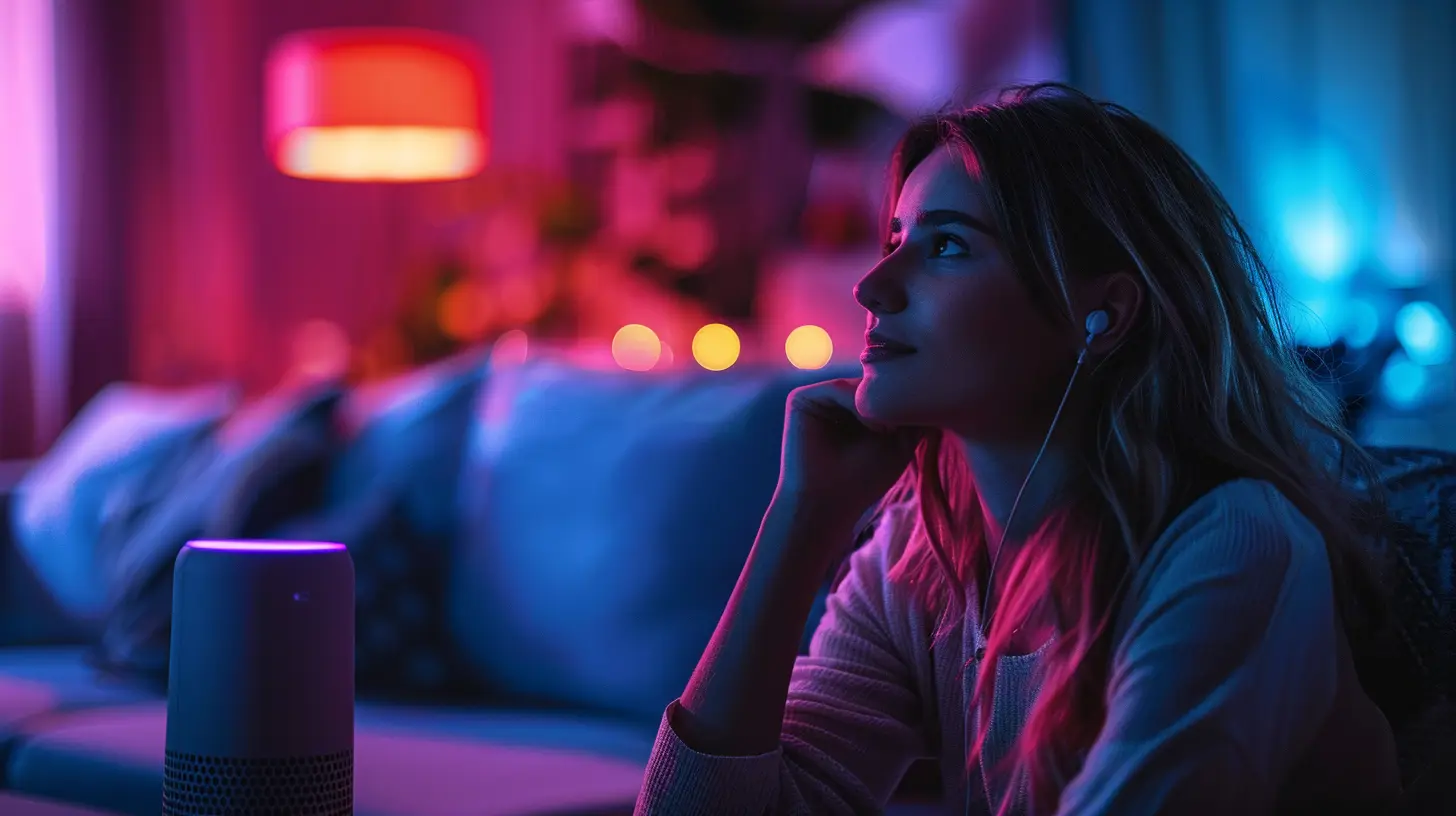
What Exactly Are Voice Assistants?
Let’s rewind a bit. Voice assistants are AI-powered programs designed to understand and respond to spoken commands. You’ve probably used one to play your favorite jam, check the weather, or send a quick text. They're built into devices like Amazon Echo, Google Home, and your everyday smartphone.But their potential goes way beyond that.
Thanks to advances in natural language processing (NLP), these digital helpers have gotten way better at understanding how we speak—including tone, sentiment, and context. That makes them more capable of engaging in conversations that actually feel (somewhat) human. Now imagine turning that smart tech into a calming voice when your mind’s running circles at 2 AM.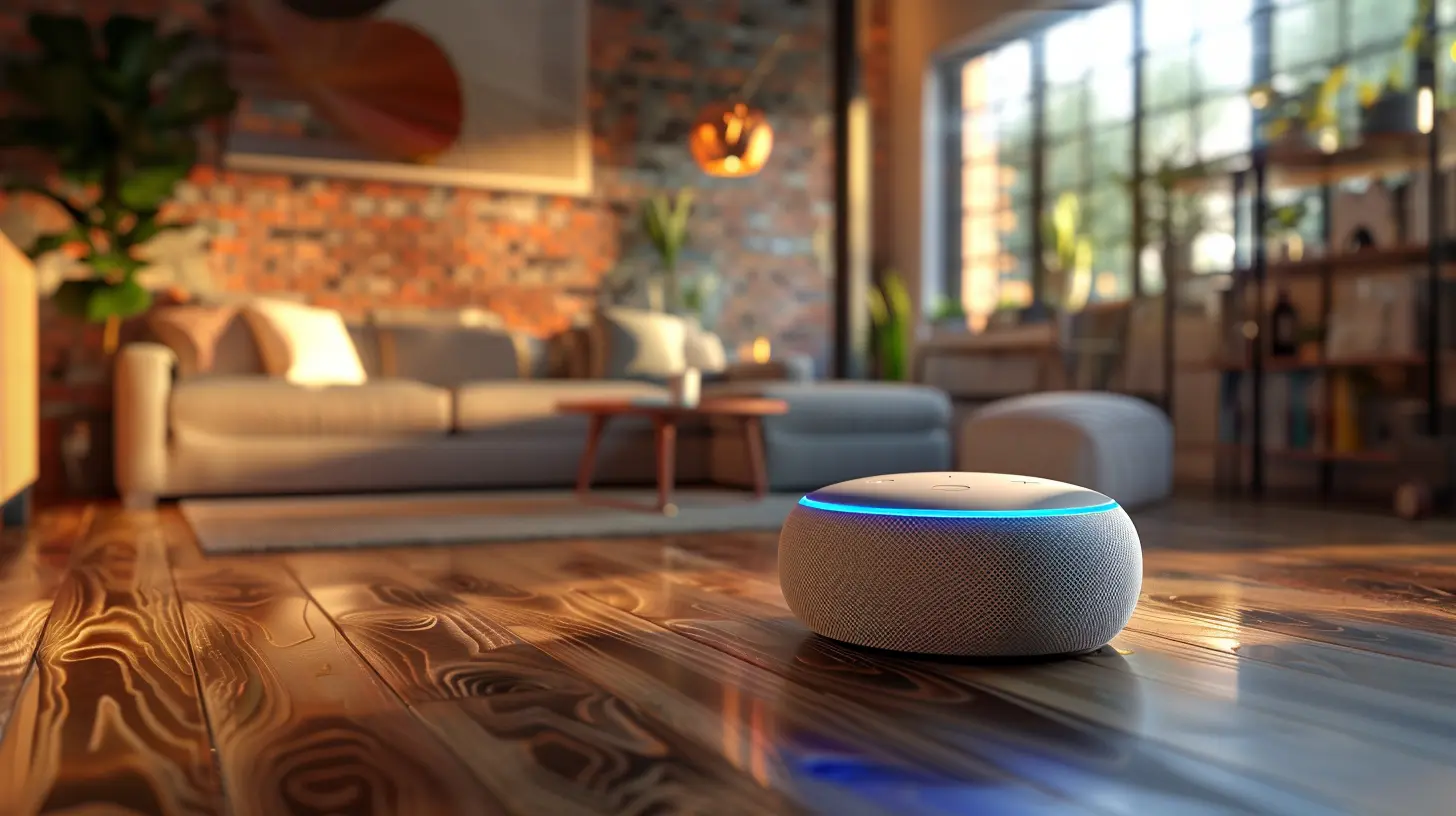
The Rising Tide of Mental Health Awareness
Before we dive deeper into the tech, let’s talk mental health for a second. Anxiety and stress are running rampant worldwide. According to the World Health Organization, depression is one of the leading causes of disability globally, and stress-related illnesses are on the rise.As more of us begin to prioritize our mental wellbeing, the demand for digital solutions is skyrocketing. Therapy apps, mindfulness podcasts, and even mental health chatbots are all part of the mix. And voice assistants? They're stepping onto the stage with some surprisingly soothing skills.
How Voice Assistants Are Being Used for Mental Wellness
So, how exactly can Alexa or Google Assistant help you relax after a long, chaotic day? Let’s break it down.1. Guided Meditation and Mindfulness
One of the simplest ways voice assistants support mental wellness is by guiding users through meditation or breathing exercises. You can say, “Alexa, help me meditate,” and boom—a calming voice walks you through a five-minute mindfulness session.Many assistants come with built-in integrations like Headspace, Calm, or even their own custom routines. What’s neat is the hands-free nature: no tapping, no swiping—just your voice and a moment of peace.
2. Sleep Support
Struggling to get some quality shut-eye? You're not alone. Millions battle with insomnia or restless sleep patterns. Voice assistants can provide white noise, ambient sounds like rain or ocean waves, or even bedtime stories for adults (yes, that’s a thing).You can say, “Hey Google, play Sleep Sounds,” and drift into dreamland without fumbling with your phone.
3. Daily Affirmations
Positive affirmations might sound a bit woo-woo, but science agrees—they actually work. Repeating affirming statements helps rewire negative thought patterns. Voice assistants can deliver daily doses of positivity right when you need them.Set up a routine like: “Alexa, start my day,” and be greeted with a motivational quote, breathing exercise, and your schedule—talk about setting the tone right!
4. Mood Tracking
Some voice assistants, especially when paired with third-party apps, can help you track your mood throughout the day. They might ask how you’re feeling, offer check-ins, or even record emotional patterns over time.Sure, they’re not therapists—but they do help you stay aware of your emotional health. And that awareness? It's the first step to taking control of your stress.
Can You Really Talk to Your Voice Assistant About Your Feelings?
Okay, so here's the million-dollar question: Can voice assistants really have meaningful conversations about your emotions?Well, yes and no.
They aren’t therapists, and they don’t pretend to be. But for many, especially those who may feel isolated or overwhelmed, talking to a non-judgmental entity—even if it's AI—can be surprisingly comforting.
AI companions like Amazon’s “Alexa, I’m feeling down” feature are becoming more nuanced. They won't provide medical advice, but they can respond empathetically and offer resources like hotlines or calming exercises.
So no, Siri won’t dive deep into your childhood trauma, but she might remind you to take a deep breath and call a friend. Sometimes, that’s just enough to break a spiral and bring you back to center.
Are Voice Assistants a Substitute for Therapy?
Short answer: absolutely not.Let’s be clear—voice assistants aren’t replacements for licensed mental health professionals. They don’t diagnose, they don’t offer personalized care, and they definitely aren’t equipped for crisis situations.
But they can complement traditional care. Think of them like a wellness sidekick—always there, always ready to help you practice healthier habits, right from your couch.
For instance, if your therapist suggests daily journaling or mindfulness, your voice assistant can help you stay on track with reminders or even listen while you talk out your thoughts aloud.
The Pros and Cons of Using Voice Assistants for Stress Relief
Like anything, there are upsides and downsides to relying on digital helpers for mental wellness.✅ Pros:
- Hands-free access: When you're already overwhelmed, ease of use matters.- Consistency: Regular reminders and routines help build healthy habits.
- Affordability: Most features come included with your device—no extra cost.
- Comfort and privacy: It may feel easier to open up to AI than a person—for some, it’s a safe space.
❌ Cons:
- Limited depth: They’re not equipped for deep emotional conversations.- Privacy concerns: You’re sharing sensitive info—data protection matters.
- False security: Relying solely on AI may delay seeking real help when needed.
How to Get Started With Voice Assistants for Mental Wellness
Getting started is surprisingly simple—even if you’re not a tech geek. Whether you use Amazon Alexa, Google Assistant, or Apple’s Siri, most can handle basic wellness routines.Here are a few tips:
1. Set Up a Morning Routine – Include breathing exercises, a motivational quote, and your schedule. Starting on a calm note makes a big difference.
2. Enable Wellness Skills or Actions – Try skills like “Meditation Timer,” “Guided Relaxation,” or “Daily Affirmation” to get the most out of your assistant.
3. Use Voice Journaling – Speak your thoughts aloud; consider connecting with apps that record and analyze moods.
4. Schedule Wind-Down Sessions – Ask your assistant to play soothing sounds or dim the lights every night at a set time. Let your environment cue your brain to relax.
5. Be Realistic – Use voice assistants as a tool, not a cure-all. If stress or anxiety feels unmanageable, professional support is essential.
The Future of Voice Assistants in Mental Health
We’re just scratching the surface here. The future's looking bright—and, honestly, pretty cool. Developers are already exploring more advanced emotional intelligence features, like detecting stress in your voice or adapting responses based on your previous mood patterns.Imagine a voice assistant that not only knows your favorite meditation track but recognizes when you're anxious and suggests it before you ask.
We’re talking next-level personal care—customized, data-driven, and accessible 24/7.
Final Thoughts: A Helping Hand from Your Pocket
Let’s face it—modern life is stressful. We’re juggling work, relationships, health, news, social media... it’s exhausting. And maybe, just maybe, having a calm, non-judgmental voice to say, “Take a deep breath,” isn’t such a bad thing.Voice assistants aren’t a miracle cure, but they’re a promising tool in your mental health toolkit. Whether it’s helping you de-stress after a long day, wind down for better sleep, or just build habits that make your brain a nicer place to live—they’re here, they’re evolving, and they’re ready to help.
Next time you're feeling anxious, why not say, “Hey Google, play a meditation,” and see what happens? Your brain might just thank you.
all images in this post were generated using AI tools
Category:
Voice AssistantsAuthor:

Pierre McCord
Discussion
rate this article
2 comments
Diesel McCord
Voice assistants are more than just gadgets; they’re digital allies in our quest for tranquility. Embrace their potential to enhance mental well-being—whether through guided meditations or calming playlists. Stop doubting their impact; start using them to reclaim your peace!
January 28, 2026 at 4:12 AM
Pierre McCord
Absolutely! Voice assistants can be invaluable tools for promoting mental well-being, providing easy access to calming resources and mindfulness practices. Embracing their potential is a great step towards reclaiming peace and reducing stress.
Hunter McManus
This is an intriguing intersection of technology and well-being! It’s fascinating to explore how voice assistants can potentially enhance mindfulness and reduce stress in our lives.
January 23, 2026 at 4:05 AM
Pierre McCord
Thank you! I'm glad you found it intriguing. Exploring the benefits of voice assistants for mindfulness and stress reduction is a promising avenue for enhancing well-being.