What’s Next for Wearable Tech? Insights from Global Events
17 May 2026
Wearable technology has come a long way—from clunky pedometers to sleek smartwatches and futuristic augmented reality glasses. But what’s next? If global events like CES, MWC, and Apple’s latest keynote have taught us anything, it’s that wearable tech is evolving at breakneck speed.
From AI-powered smart rings to biometric clothing, the future of wearable technology is shaping up to be more innovative than ever. But are we really ready for what’s coming? Let’s dive into the trends, breakthroughs, and potential roadblocks that could define the next era of wearables. 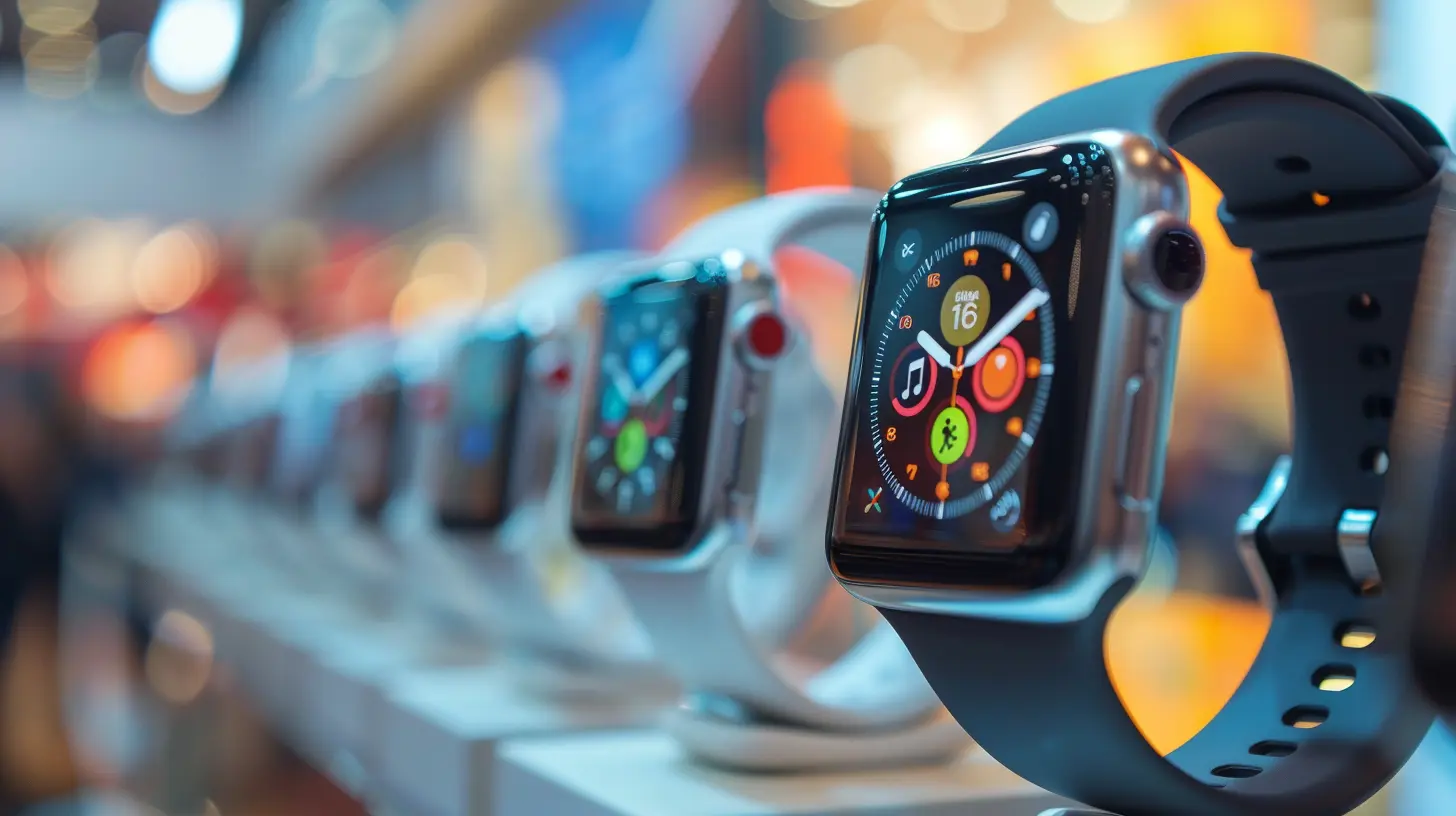
The Current State of Wearable Tech
Before we speculate about the future, let’s take a look at where we stand today. Wearable technology is already a part of our daily lives—whether it’s a smartwatch tracking our heart rate or wireless earbuds analyzing our movement.Popular Categories of Wearables
1. Smartwatches & Fitness Bands – Think Apple Watch, Fitbit, and Garmin. These devices track health metrics, monitor workouts, and even let us check emails.2. Smart Glasses & AR Headsets – Companies like Meta and Apple are betting big on augmented reality. But mainstream adoption still feels a bit distant.
3. Smart Rings – A growing trend, with companies like Oura leading the charge. They offer discreet health tracking without the bulk of a watch.
4. Wearable Medical Devices – Continuous glucose monitors and ECG-equipped wearables are revolutionizing healthcare.
Despite these advancements, we’re still in the early days of truly seamless, intelligent wearables. So, what’s next? 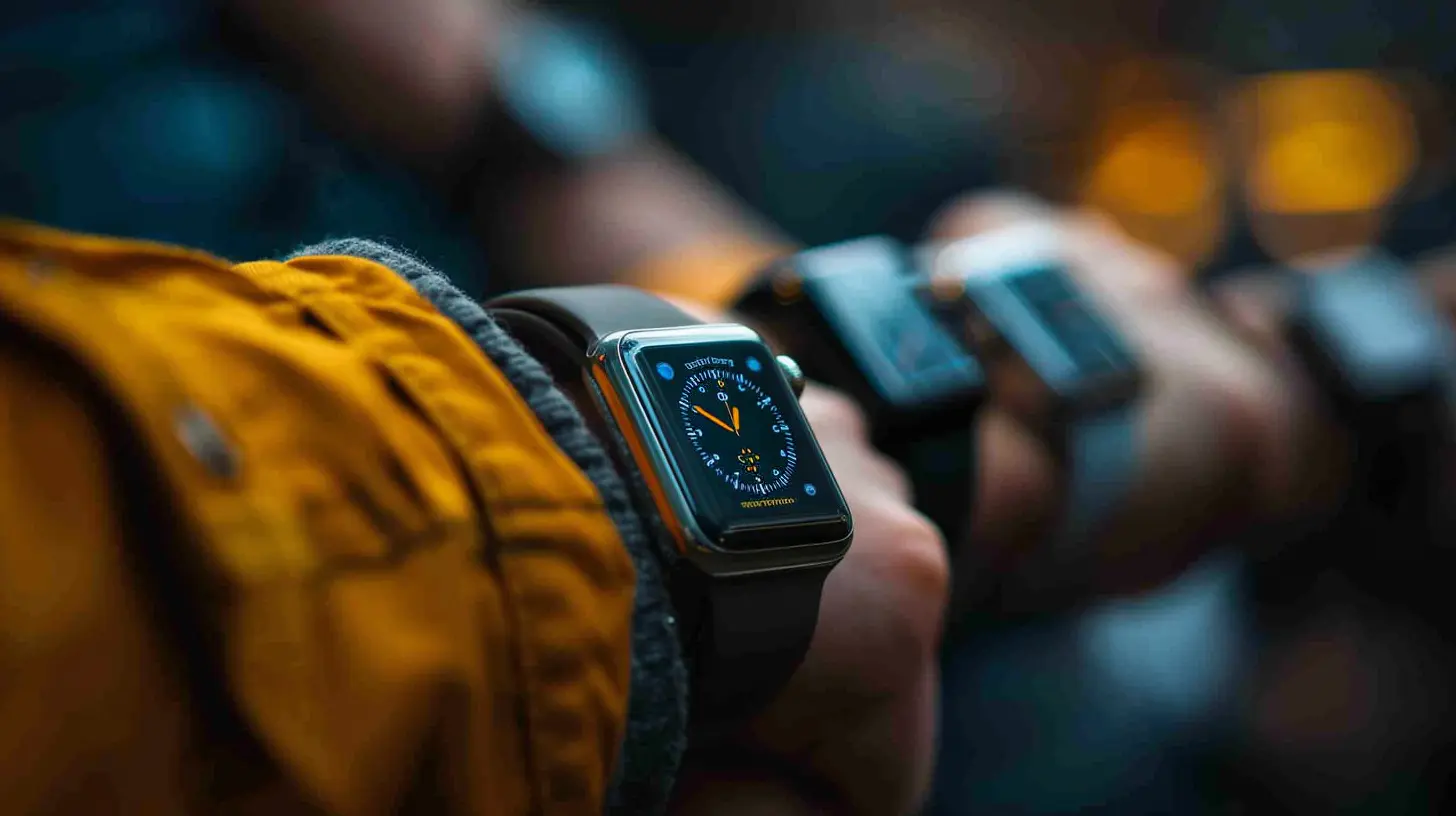
Trends Driving the Future of Wearable Tech
1. Artificial Intelligence and Wearables: A Powerful Duo
AI is creeping into every facet of technology, and wearables are no exception. Future devices won’t just track data—they’ll analyze and predict. Imagine a smartwatch that warns you of an impending heart condition before any noticeable symptoms appear. Sounds like science fiction? Companies like Apple and Google are already heading in that direction.AI-powered wearables could also personalize user experiences like never before. Think of a fitness tracker that adapts your workouts automatically based on your body’s real-time stats. The days of one-size-fits-all health insights may soon be over.
2. The Rise of Smart Clothing
Why wear a fitness band when your T-shirt can do the same job? That’s the idea behind biometric clothing. Smart fabrics embedded with sensors could track everything from muscle activity to hydration levels.Brands like Hexoskin and Athos are already experimenting with this, but mass adoption will hinge on comfort, affordability, and accuracy. If wearable clothing takes off, we might see a shift away from bulky gadgets toward seamless, integrated experiences.
3. Smaller, More Discreet Wearables
Not everyone wants to wear a tech-heavy smartwatch or bulky headgear. That’s why the future of wearables is going small—think smart rings, earpieces, and even implantable chips.Smart rings, for example, are gaining traction as they offer sleep tracking, stress monitoring, and even payment capabilities without the bulk of a watch. Companies like Movano and Ultrahuman are betting big on this trend.
Will we reach a point where wearables become invisible? Maybe, but privacy concerns will likely stir up heated debates before we get there.
4. Health Monitoring: From Reactive to Proactive
Wearables are already tracking our steps, heart rates, and sleep patterns. But the future is all about early disease detection and real-time monitoring.Imagine a wearable that can detect signs of stress, dehydration, or even an oncoming illness before you feel sick. Some researchers are even working on sweat-analyzing wearables that could diagnose diseases without the need for a blood test.
Medical-grade wearables will likely become mainstream, blurring the line between consumer gadgets and essential health tools. 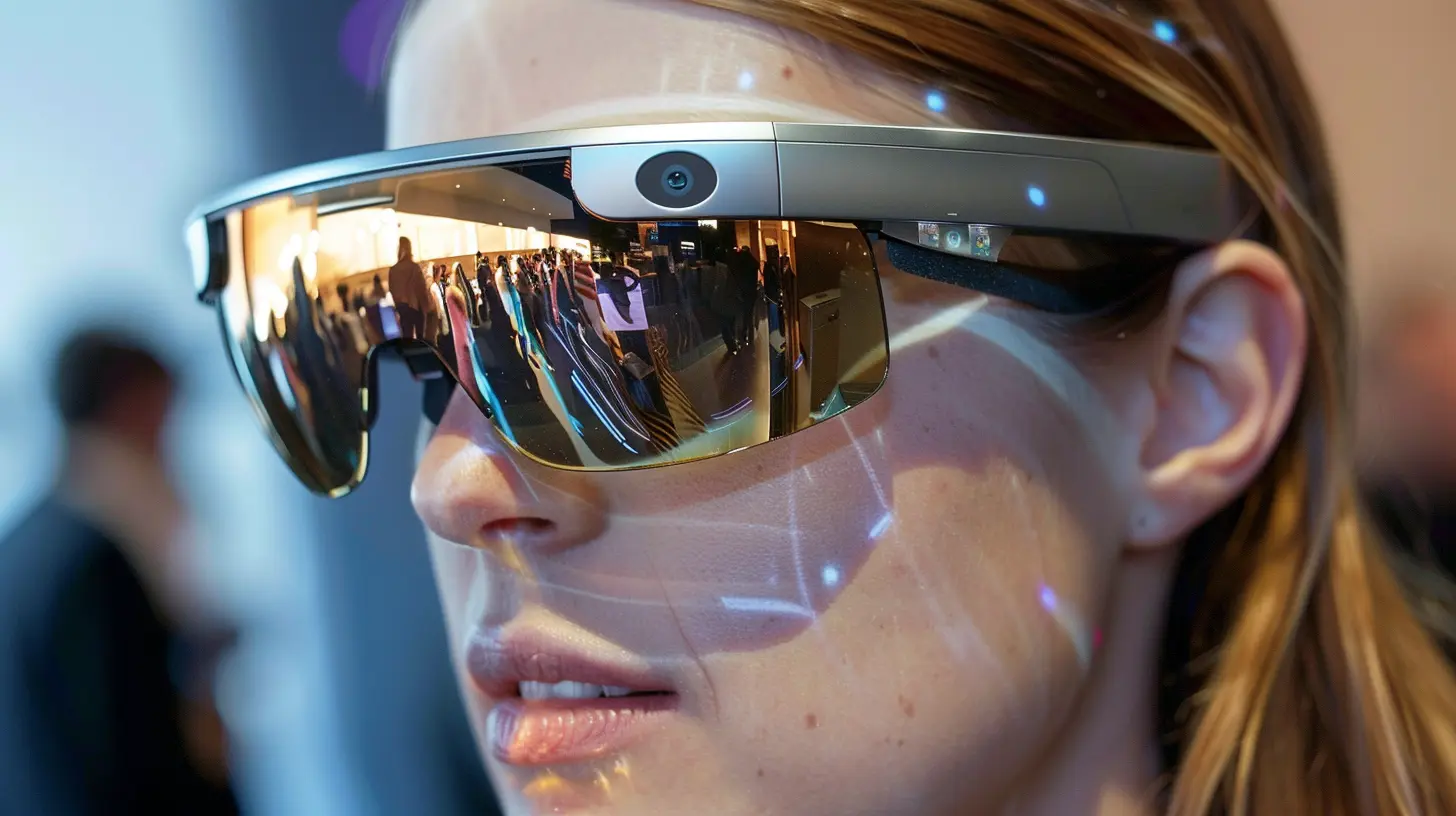
Barriers and Challenges Facing Wearable Tech
Of course, not everything is smooth sailing. For all the excitement surrounding wearable tech, several challenges remain.Privacy and Data Security
Wearables collect a staggering amount of personal data. Heart rate, sleep patterns, GPS location—you name it. But how secure is the data? And who really owns it?Tech companies already face scrutiny over data privacy, and as wearables get more advanced, concerns are only going to grow. No one wants their health data leaked or sold to third parties.
Battery Life Limitations
Let’s be honest—no one wants to charge their smartwatch every night. Battery life remains a massive hurdle for wearable innovation. Imagine how much more useful a smart ring or AR glasses would be if they could last weeks rather than days.Companies are exploring solutions like energy-harvesting tech (using body movement to generate power) and more efficient battery materials, but we’re not quite there yet.
User Adoption and Comfort
The success of any wearable device depends on whether people actually want to wear it. Clunky designs, uncomfortable materials, or overly complex interfaces can make or break a product.For example, smart glasses have struggled to gain mainstream traction. Google Glass flopped, and even Meta’s latest AR headset is facing skepticism. Wearables need to seamlessly integrate into our lives without feeling intrusive or awkward.
Affordability
Cutting-edge wearable tech often comes with a hefty price tag. Not everyone can drop $600 on an Apple Watch Ultra or $3,500 on an Apple Vision Pro headset.For wearables to truly become the norm, they need to be accessible. Lower costs, improved durability, and insurance-backed medical wearables could play a role in making them available to a wider audience. 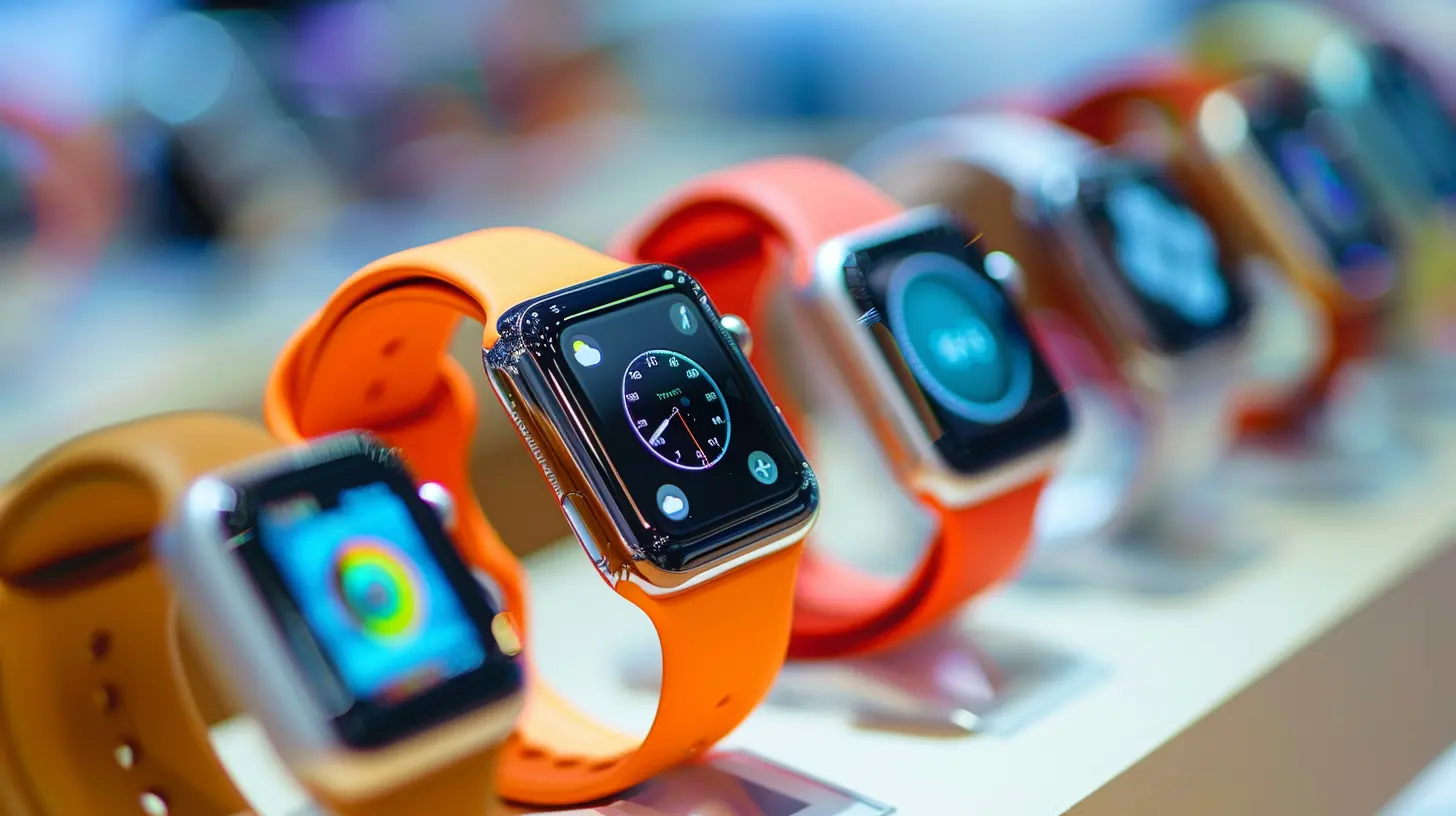
What’s Next? Predictions for the Future
So, where is wearable tech heading in the next five to ten years? Here are a few bold predictions:1. Wearables Will Become Even More Personalized – AI-driven customization will make wearables hyper-specific to individual users.
2. AR and VR Will Finally Go Mainstream – With better designs, AR glasses may replace smartphones for certain tasks.
3. Biometric Authentication Will Replace Passwords – Fingerprints and facial recognition are already common, but wearable-based authentication could become the norm.
4. Medical Wearables Will Be the New Standard – Devices that monitor chronic conditions in real-time could become as common as fitness bands.
5. Energy Harvesting Wearables Will Reduce Charging Needs – Future wearables may recharge themselves using body heat or movement.
The bottom line? The wearable tech revolution is far from over. If anything, we’re just getting started. The only question is—are we ready for what’s coming?
Final Thoughts
Wearable technology is on the brink of a major transformation. From AI-powered health devices to AR-infused smart glasses, the next decade will bring innovations we can only dream of today.Of course, challenges like data privacy, battery life, and adoption hurdles need to be addressed. But if history has taught us anything, it’s that technology always finds a way forward.
So, whether you’re a tech enthusiast, a fitness junkie, or just someone who loves the convenience of a smartwatch, one thing is clear—wearable tech is here to stay, and it’s only going to get smarter.
Are you ready for the future?
all images in this post were generated using AI tools
Category:
Tech EventsAuthor:

Pierre McCord
Discussion
rate this article
1 comments
Dominique Vaughn
Future wearables will reveal secrets we haven't yet imagined...
May 30, 2026 at 4:53 PM
Pierre McCord
Absolutely! The potential of future wearables is boundless, and I can't wait to see what innovations emerge next.