Wireless vs. Wired Surround Sound Systems: Which Is Best for You?
7 January 2026
When setting up a home theater, one of the biggest decisions is choosing between a wireless or wired surround sound system. Both have their perks and drawbacks, making the decision quite tricky. Do you value convenience over raw audio quality? Or are you willing to spend extra time setting up a more robust wired system?
In this guide, we'll break down the pros and cons of wireless and wired surround sound systems, helping you determine the best fit for your home entertainment setup.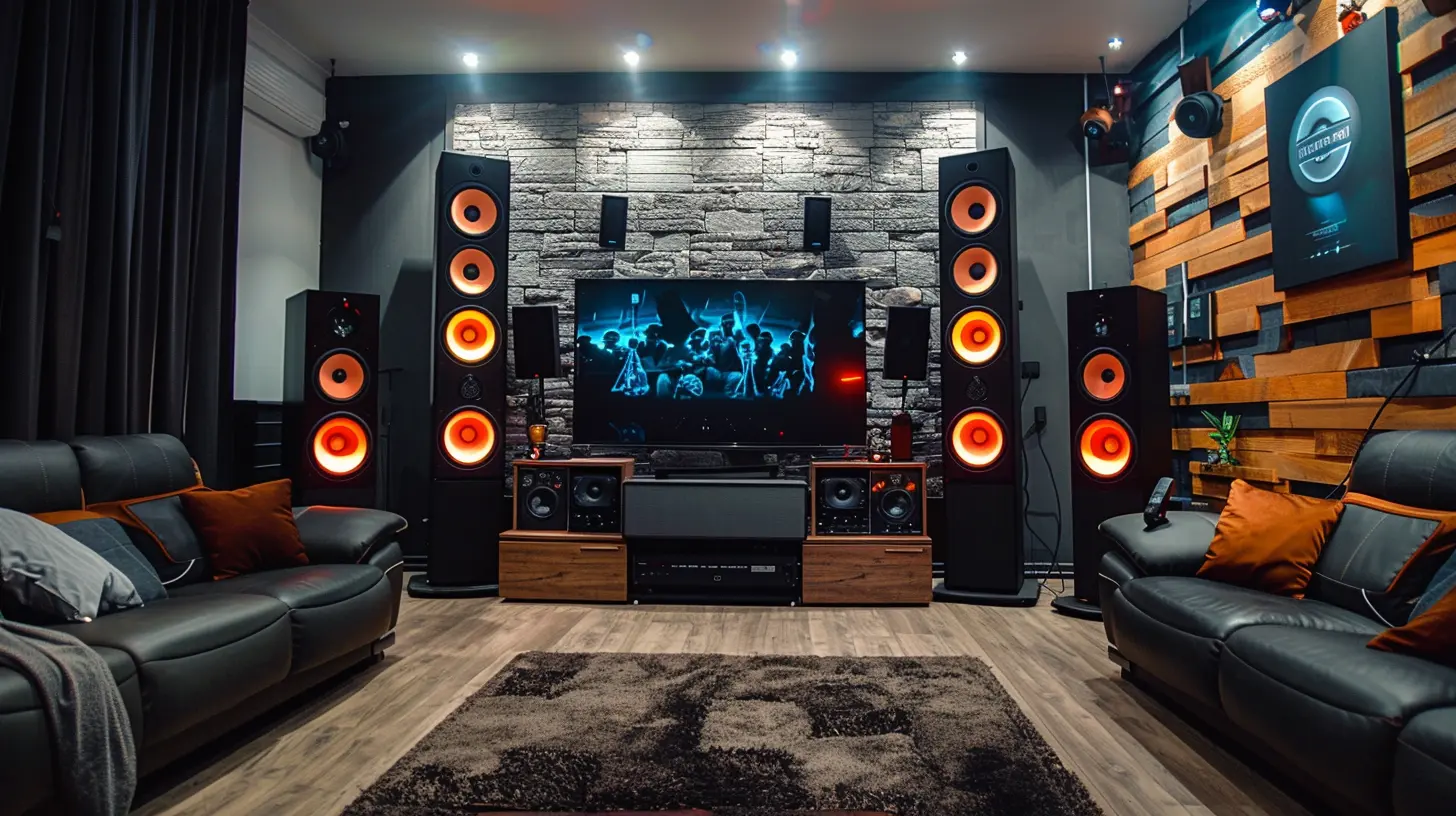
📌 Understanding Surround Sound Systems
Before diving into the comparison, let's clarify what a surround sound system is. Unlike a basic stereo setup, surround sound systems immerse you in audio by placing multiple speakers around your room. This creates a 3D sound experience, making movies, music, and games feel more realistic.A typical system consists of multiple speakers, such as:
- Front speakers (left, center, right)
- Rear speakers (left, right)
- Subwoofer for deep bass
- Additional height or side speakers (for advanced setups like Dolby Atmos)
Now, let’s get into the battle between wireless and wired setups.
🔌 Wired Surround Sound Systems
✅ Advantages of Wired Systems
1. Superior Sound QualityWhen it comes to pure, uncompressed audio quality, wired sound systems reign supreme. Since they use physical cables, they transmit high-resolution audio without interference or compression. This is crucial for audiophiles or those who want the best sound experience.
2. No Latency or Signal Interference
Wired systems don't suffer from connectivity issues that sometimes plague wireless devices. There’s no risk of Bluetooth lag, Wi-Fi interference, or sudden drops in sound quality.
3. Reliable and Consistent Performance
Once set up, a wired system works flawlessly. There are no concerns about running out of battery, signal disruptions, or connectivity hiccups.
4. Longer Lifespan
Since wired systems rely on traditional speaker technology, they generally last longer compared to wireless systems that depend on batteries and software updates.
❌ Disadvantages of Wired Systems
1. Complex Setup & Cable ManagementThe biggest downside? Cables. You'll have to deal with running wires across rooms, drilling holes, or using cable management solutions to prevent a messy look.
2. Lack of Flexibility in Speaker Placement
Since each speaker requires a cable connection, repositioning them can be a hassle. Want to move your setup to another area? You'll have to reroute wires, which isn’t always convenient.
3. Not Ideal for Smaller Spaces
If you have a small living room or apartment, managing cables might be more of a headache than it's worth.
📡 Wireless Surround Sound Systems
✅ Advantages of Wireless Systems
1. Easy Setup & No Cable ClutterNo one likes dealing with a tangled mess of cables. Wireless surround systems eliminate the need for long speaker wires, making installation much easier and cleaner.
2. Greater Flexibility
Want to rearrange your room? No problem! Wireless systems make it way easier to move speakers without worrying about rewiring everything.
3. Modern Features & Smart Connectivity
Many wireless systems come with modern smart features, such as integration with Alexa, Google Assistant, or Apple AirPlay. Some also offer multi-room audio streaming, allowing you to play music throughout your home.
4. Ideal for Renters or Temporary Setups
If you live in an apartment or rented space, drilling holes for cables might not be an option. Wireless systems provide the perfect solution.
❌ Disadvantages of Wireless Systems
1. Sound Quality Isn’t Always as GoodEven though wireless systems have improved dramatically, some models still compress audio during transmission, leading to a slight loss in quality.
2. Signal Interference & Latency Issues
Wireless devices rely on Wi-Fi or Bluetooth, which can sometimes cause delays, dropouts, or interference—especially in homes with multiple wireless devices.
3. Power Dependency
While the speakers are "wireless" in terms of audio transmission, most still need to be plugged into a power source! Some battery-powered models exist, but they require frequent recharging.
4. Higher Cost
Wireless technology generally costs more than traditional wired systems, especially when looking at high-end models.
🎯 Which One Should You Choose?
Now that we've covered both options, let's see which one makes the most sense for you.| Factor | Wired System | Wireless System |
|---------------------|---------------|----------------|
| Sound Quality | 🔥 Best | ✅ Good (but compressed) |
| Ease of Setup | ❌ Difficult | 🎉 Super easy |
| Flexibility | ❌ Limited | ✅ Very flexible |
| Latency Issues | ✅ None | ❌ Possible delays |
| Cost | 💰 Generally cheaper | 💸 More expensive |
| Ideal For | Audiophiles, Permanent setups | Renters, Smaller spaces, Smart home users |
Choose a Wired System If:
✔️ You want the absolute best sound quality.✔️ You don’t mind spending time managing cables.
✔️ You have a dedicated home theater room.
Choose a Wireless System If:
✔️ You prioritize convenience and hate running cables.✔️ You move things around often (perfect for renters).
✔️ You enjoy smart home features and streaming.
💡 Hybrid Systems: The Best of Both Worlds?
If you're still torn between the two, hybrid systems might be the answer. These combine wired front speakers (for optimal quality) with wireless rear and subwoofer speakers (for flexibility). This way, you get better sound without being stuck with too many cables.Some popular hybrid setups include:
- Sonos Surround Sound Systems
- Bose Soundbar with Wireless Rear Speakers
- Yamaha MusicCast Systems
🎬 Final Thoughts
At the end of the day, the choice between wireless and wired surround sound systems boils down to your personal preferences. Do you prioritize sound quality above all else? Go wired. Want easy setup and flexibility? Wireless is the way to go.Whichever you choose, both will elevate your home entertainment experience, making movie nights, gaming sessions, and music listening much more immersive.
#### So, which one do YOU prefer? Let us know in the comments!
all images in this post were generated using AI tools
Category:
Home EntertainmentAuthor:

Pierre McCord
Discussion
rate this article
2 comments
Tatianna Curry
Choosing between wired and wireless surround sound is like picking between a cat and a dog: one purrs with ease, the other fetches every sound! Let your ears be the judge!
January 16, 2026 at 5:07 AM
Pierre McCord
That's a clever analogy! Ultimately, it comes down to your lifestyle and sound preferences—both options have their unique advantages. Happy listening!
Holden Romero
Great article! I’m curious about the practical differences in sound quality and latency between wireless and wired systems. Are there specific environments where one outshines the other? Also, how do factors like room size and furniture placement affect the performance of each option? Would love to hear more!
January 7, 2026 at 4:40 AM
Pierre McCord
Thanks for your comment! Wired systems generally offer better sound quality and lower latency, making them ideal for critical listening environments. Wireless systems provide flexibility and ease of setup but can be affected by interference, especially in larger rooms with obstacles. Room size and furniture placement can influence sound reflection and absorption, impacting performance for both options. If you have a specific setup in mind, feel free to ask!