Desalination: The Critical Global Technology That Needs Nuclear Power
July 6, 2026 - 19:29
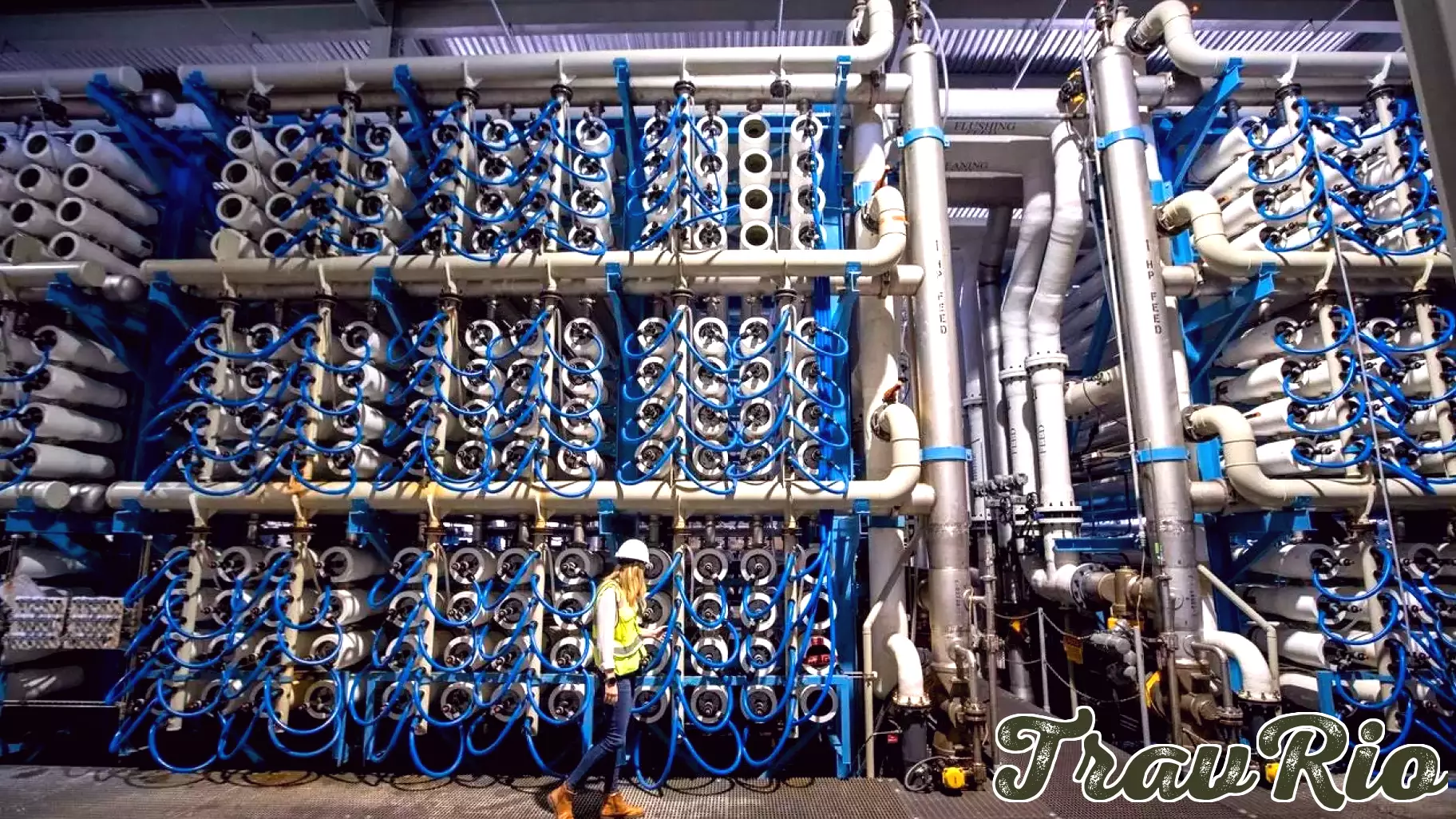
The global shortage of fresh, clean water is no longer a problem limited to developing countries. From California to Cape Town, regions once considered water-secure are now facing severe droughts and dwindling supplies. This reality has pushed desalination, the process of removing salt from seawater, from a last-resort option to a critical global technology. Yet the technology has a major weakness: it consumes enormous amounts of energy. This is where nuclear power presents a compelling solution.
Traditional desalination plants often run on fossil fuels, which are expensive, volatile in price, and harmful to the climate. Renewable sources like solar or wind can help, but their intermittent nature makes them unreliable for the constant, high-energy demand of a desalination facility. Nuclear power plants, by contrast, provide steady, carbon-free electricity around the clock. They can operate at full capacity for 18 to 24 months between refueling, offering the kind of baseload power that desalination requires.
Beyond just electricity, nuclear reactors produce significant waste heat. This heat can be used directly in thermal desalination processes, such as multi-effect distillation, making the overall operation far more efficient than using electricity alone. Countries like Saudi Arabia and the United Arab Emirates have already begun exploring nuclear-powered desalination projects. As freshwater scarcity intensifies worldwide, pairing these two technologies may become not just an option, but a necessity for sustaining modern life. The question is no longer whether we need more water, but how we can power the machines that will provide it.
MORE NEWS

August 20, 2026 - 21:06
Ashtead Technology Gets Sunk by Delayed ProjectsSubsea technology firm Ashtead Technology has issued a profit warning, saying that revenue and earnings for the current year will fall short of market expectations. The company blamed a combination...

August 20, 2026 - 00:04
The next US-Israel agreement should expand joint innovationAs the current 10-year military aid package between Washington and Jerusalem winds down, policymakers on both sides are already looking at what comes next. The existing memorandum of understanding,...

August 19, 2026 - 14:51
Akron teachers adapt to technology, keep kids engagedTeacher Tracey Robinson has watched the classroom change right before her eyes. Over the years, she has seen how technology has reshaped the way her students pay attention, process information, and...

August 18, 2026 - 17:39
When AI meets global health: Who governs, who benefits and what works?As artificial intelligence tools move from research labs into clinics and community health programs around the world, a bigger question looms: who decides how these powerful systems are used, and...