Are Virtual Offices Replacing Corporate Spaces by 2027?
6 May 2026
You have probably seen the headlines. The "death of the office" has been declared so many times over the past few years that it is starting to feel like a broken record. First, it was the pandemic that sent everyone home. Then, it was the rise of Zoom and Slack. Now, we are staring down the barrel of 2027, and the question is no longer "Will we work from home?" but "Will we ever go back to the office?"
But let us pump the brakes for a second. Is the virtual office actually going to replace the corporate space entirely? Or are we just in a messy, awkward transition phase where nobody really knows what they want? I think the answer is more nuanced than a simple yes or no. It is not about replacement. It is about redefinition.
Think of it like this: the traditional corporate office is a 1990s desktop computer. It is bulky, it is expensive, and it is tied to a specific location. The virtual office is a smartphone. It is portable, it is versatile, and it fits in your pocket. But here is the kicker: nobody threw away their desktop completely. We just stopped using it for everything. We still need a powerful machine for heavy lifting. The corporate space is about to become that "heavy lifting" machine, while the virtual office handles the day-to-day chatter.

The Great Unraveling: Why the Old Model is Cracking
Let us be honest with each other. The pre-2020 office model was kind of a scam, right? You spent two hours commuting, sat in a cubicle that felt like a hamster cage, and then spent another two hours crawling back home. All so you could stare at a screen in a slightly different location. The pandemic ripped the bandage off that wound. It showed companies that, for a massive chunk of knowledge work, the commute was completely unnecessary.By 2027, the cracks in the old model will be too big to ignore. Real estate costs are still insane in major cities. Landlords are desperate, but companies are not biting. Why would you sign a ten-year lease for 50,000 square feet when you can rent a WeWork for a fraction of the cost? The virtual office-the infrastructure of remote work, from video conferencing to project management tools-has matured. It is no longer a clunky workaround. It is a legitimate platform.
But does that mean the physical office dies? Not a chance. It just means the physical office has to earn its keep. If a company cannot justify the cost of rent, electricity, and snacks, the office will vanish. And for many roles, that justification just is not there anymore.
The Hybrid Reality: Not a Compromise, A New Species
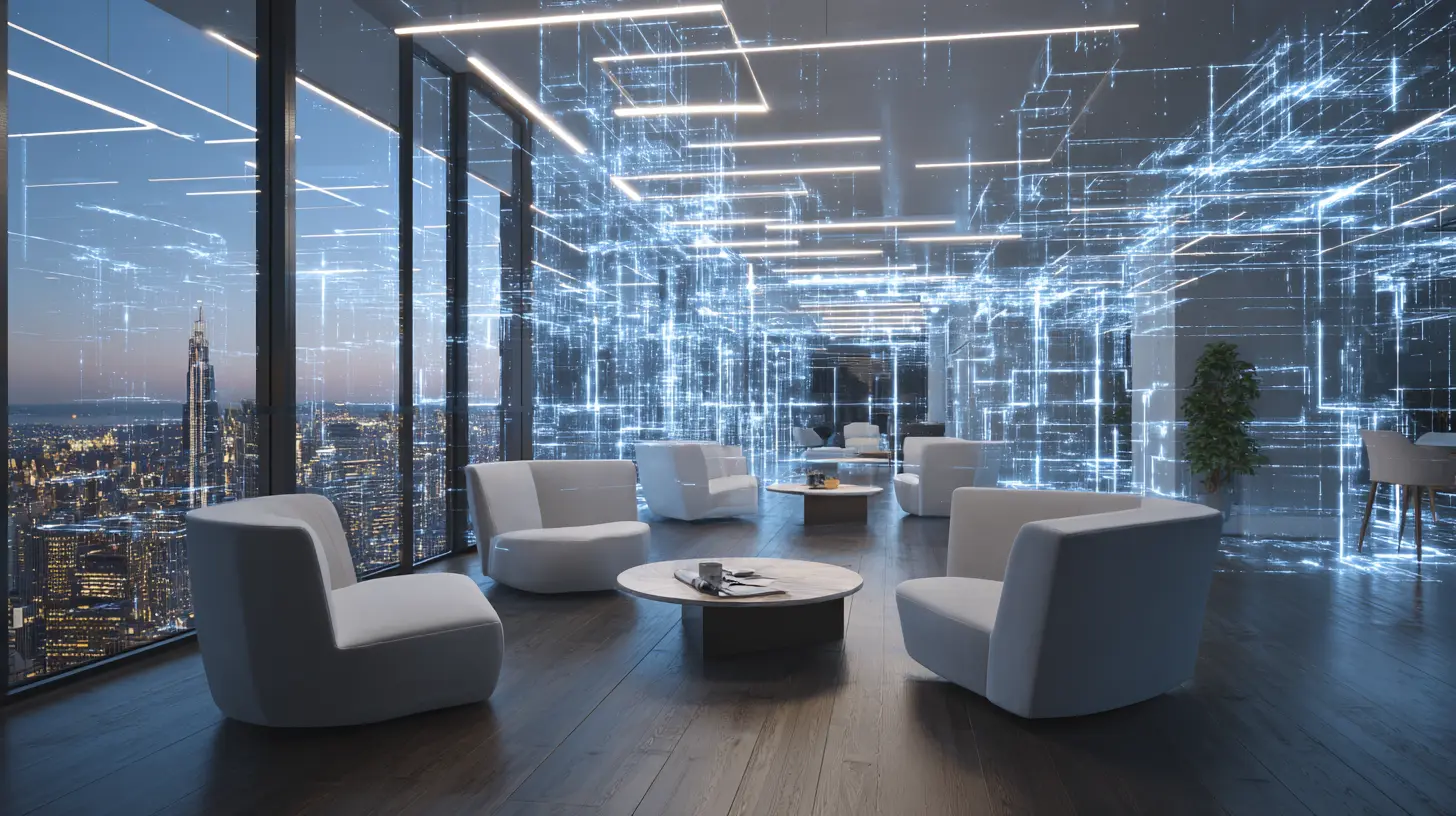
Here is where most articles get it wrong. They frame the future as a binary choice: all remote or all in-office. That is a false dichotomy. By 2027, the dominant model will be hybrid, but not the lazy, "three days in, two days out" hybrid we see today. That model is a half-measure, and it is already failing.The real hybrid of 2027 will be a purpose-driven model. The virtual office will handle the "heads-down" work. You know, the deep focus tasks, the individual coding, the writing, the spreadsheet wrestling. That stuff is actually harder to do in an open-plan office with Karen from accounting talking about her cat. The corporate space, on the other hand, will be reserved for high-value, synchronous activities.
Think about it. Why do you go to a coffee shop? For the atmosphere and the caffeine, right? The office will become a "social coffee shop" for your company. It will be a place for brainstorming sessions, client meetings, team-building rituals, and those spontaneous "water cooler" moments that actually spark innovation. The virtual office cannot replicate the energy of a whiteboard session with markers flying and sticky notes everywhere. It just cannot.
So, are virtual offices replacing corporate spaces? No. They are absorbing the boring parts, while the corporate space becomes a premium event space.
The Cost Factor: The Elephant in the Boardroom
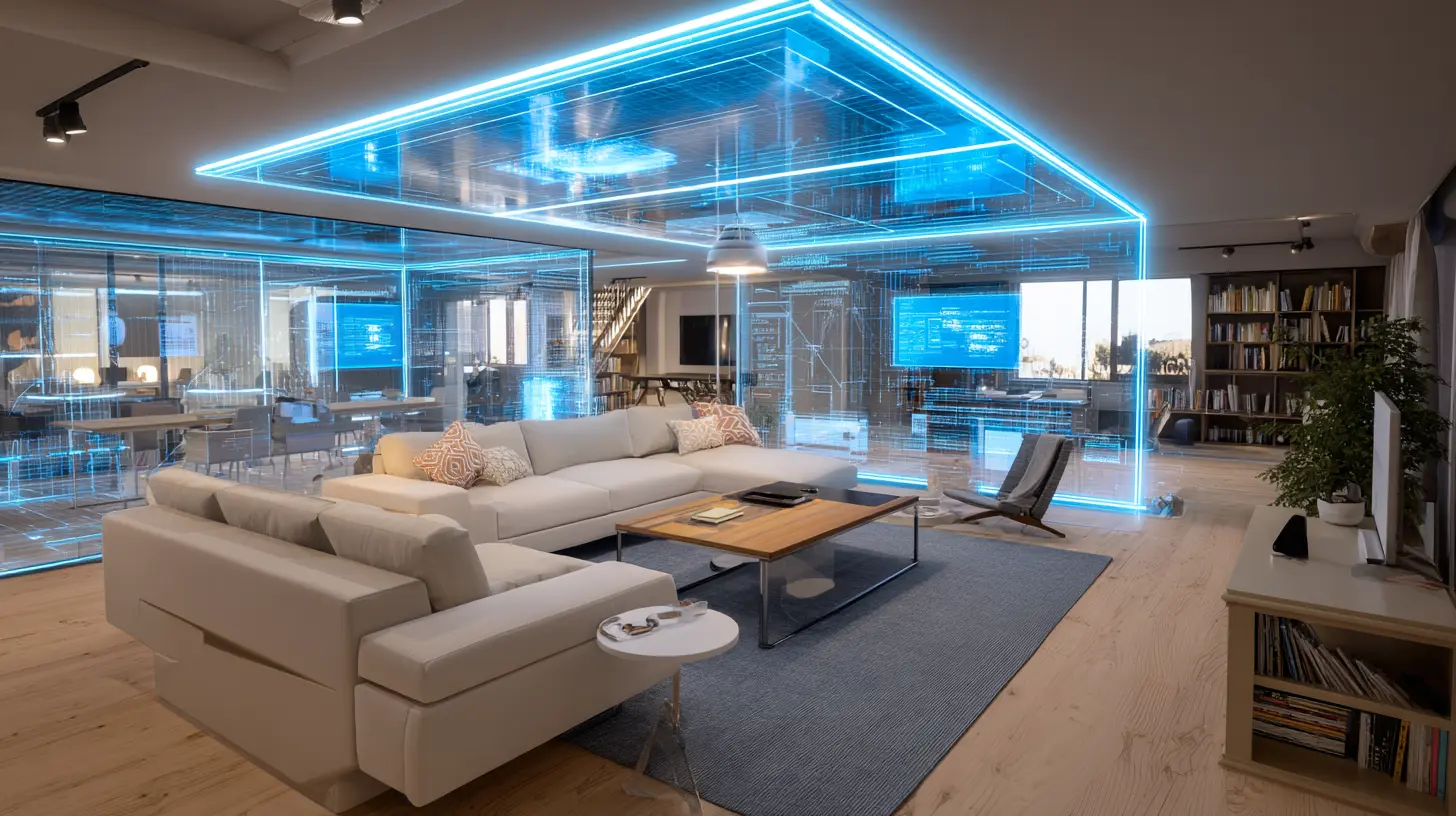
Let us talk money because that is what really drives decisions. A virtual office is cheap. Like, really cheap. You pay for software licenses, a VPN, and maybe a small stipend for the employee's home internet. That is it. A corporate space? That is a black hole of capital. You have the lease, the maintenance, the cleaning staff, the security, the furniture, the breakroom coffee, the paper towels... it adds up fast.By 2027, the CFO will have a spreadsheet that clearly shows the cost per desk. If that desk is empty 60% of the time, it is a liability. The virtual office eliminates that liability. It turns fixed costs into variable costs. You pay for what you use.
But here is the counterpoint: culture is expensive. And culture is hard to build over Slack. You can try, but it is like trying to grow a garden in a dark closet. You need light. You need soil. You need people bumping into each other. The corporate space, when used correctly, is that light and soil. The smart companies will not eliminate the office. They will shrink it, optimize it, and make it a destination rather than a prison.
The Tech Evolution: What the Virtual Office Will Look Like in 2027
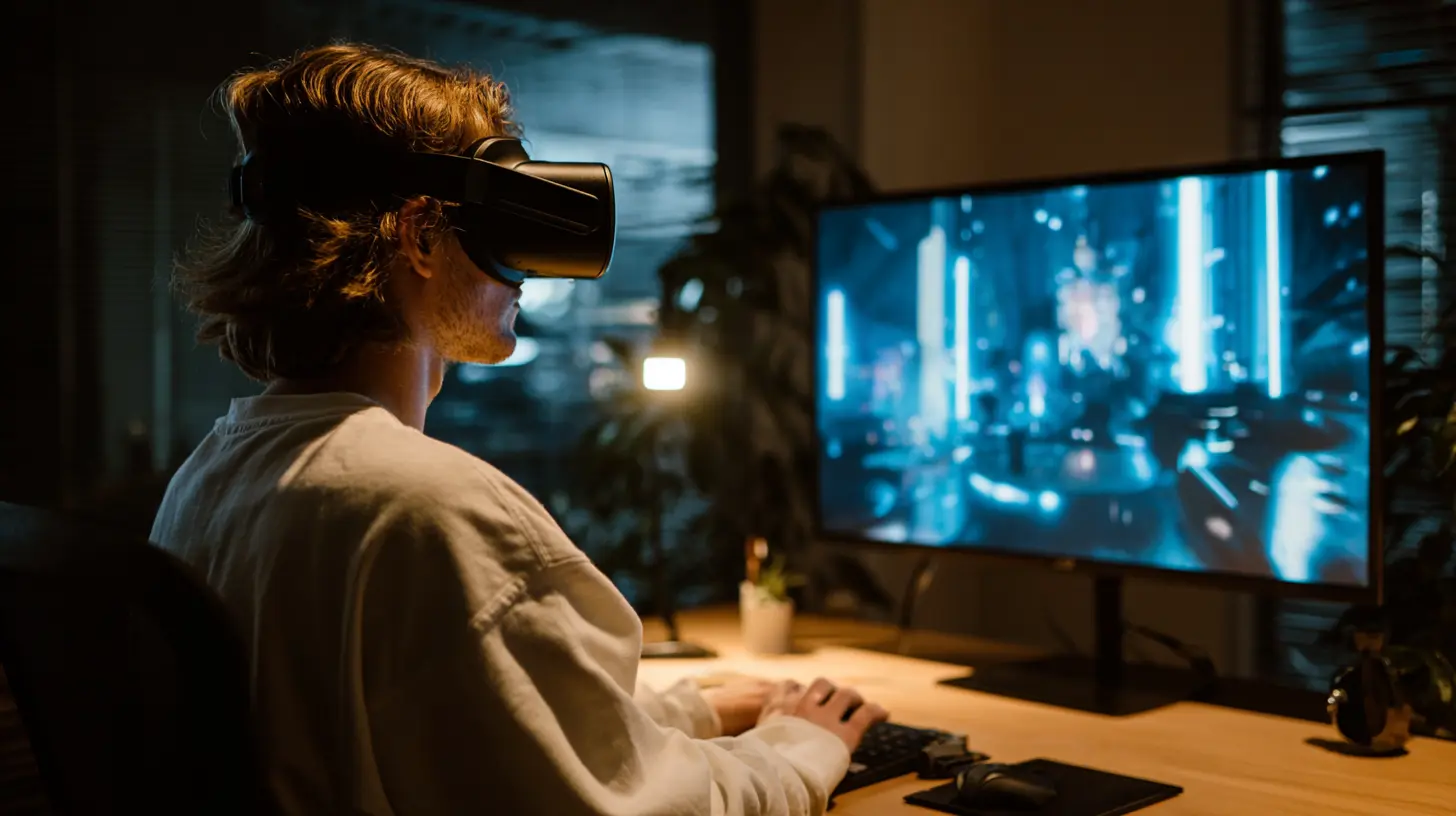
The virtual office of 2023 was a Zoom call. It was okay. The virtual office of 2027 will be a different beast entirely. We are talking about spatial computing. Apple Vision Pro, Meta Quest, and other mixed-reality headsets are going to get cheap and light. Imagine walking into a virtual boardroom where you can see your colleague's avatar sitting across from you. You can read their body language. You can pass a virtual document. You can draw on a virtual whiteboard.That is not science fiction. That is coming. And it will close the gap between physical and digital presence significantly.
AI will handle the administrative grunt work. Your virtual assistant will schedule meetings, transcribe notes, and even summarize the emotional tone of a conversation. "Hey, your boss seemed frustrated in that meeting. Maybe send a follow-up email." This level of intelligence will make the virtual office feel more human, not less.
But here is the catch: technology can simulate presence, but it cannot replicate touch. It cannot replicate the handshake at the end of a deal. It cannot replicate the shared laugh over a bad lunch. So, while the virtual office will get incredibly good, the corporate space will still hold a monopoly on physical connection.
The Generational Shift: What Gen Z and Gen Alpha Want
Let us look at the workforce of 2027. The Boomers will largely be retired. Gen X will be the gray-haired veterans. Millennials will be the middle managers. And Gen Z? They will be the dominant workforce. And guess what? They do not love the office.Surveys consistently show that younger workers value flexibility over salary. They want to work from a beach in Thailand, not a cubicle in Omaha. They are digital natives. They have been online since birth. The virtual office is their natural habitat. They do not need a corporate cafeteria when they have DoorDash. They do not need a corporate gym when they have ClassPass.
However, there is a flip side. Gen Z also reports feeling lonely and disconnected. They crave mentorship and community. The virtual office, for all its convenience, can be isolating. This is where the corporate space wins again. A well-designed office that prioritizes social interaction, training, and collaboration will be a magnet for young talent. It will be the place where careers are launched, not just tasks are completed.
So, the virtual office will be their daily driver. But the corporate space will be their "home base" for onboarding, training, and social events.
The Industries That Will Ditch the Office (and Those That Won't)
Not every industry is the same. If you are a software developer, you can probably work from a treehouse with a good internet connection. But if you are a surgeon, you cannot perform a heart transplant over Zoom. Let us break it down.By 2027, knowledge work industries like tech, marketing, finance (back office), and consulting will have largely gone virtual. You will see massive corporate campuses shrink to the size of a boutique hotel. These companies will keep a small, beautiful office for collaboration, but the bulk of the workforce will be distributed.
On the flip side, industries that rely on physical presence will keep the corporate space. Manufacturing, healthcare, hospitality, and retail obviously need a physical location. But even within those industries, the administrative functions will go virtual. The factory floor stays, but the HR department works from home.
The point is, the "corporate space" is not a monolith. It is a spectrum. For some, it will disappear. For others, it will transform into a hybrid hub.
The Psychological Toll: Why We Still Need a "Third Place"
Here is a thought that keeps me up at night. The virtual office is great for efficiency, but it is terrible for mental health. Humans are tribal. We need to see other faces. We need to feel the energy of a room. The isolation of remote work has led to burnout, anxiety, and a weird phenomenon where people forget how to socialize.The corporate space, in 2027, might serve a new role: the "third place." Not home, not work, but a neutral ground. It is a place where you go to be around people, even if you are not actively working. It is a library, a coffee shop, a community center, all rolled into one. Companies that understand this will invest in making their offices warm, inviting, and a little bit weird. Bean bags, art, plants, a game room. Not because it is trendy, but because it is necessary for human connection.
The virtual office cannot offer that. It can offer a Slack channel, but that is not the same as the feeling of walking into a room and seeing a friend.
The Final Verdict: Collaboration over Competition
So, are virtual offices replacing corporate spaces by 2027? The answer is no. But they are fundamentally changing them.Think of it like this: the virtual office is the engine of the car. It is efficient, reliable, and does the heavy lifting. The corporate space is the chassis and the interior. It provides the structure, the comfort, and the experience. You cannot have a car without an engine, but you also cannot have a car without a frame. They need each other.
By 2027, the smartest companies will stop asking "Which one wins?" and start asking "How do we blend them?" They will use the virtual office for the daily grind and the corporate space for the moments that matter. They will use technology to bridge the gap, but they will never forget that business is ultimately about people, not pixels.
The office is not dying. It is evolving. And if you are a business leader, you need to evolve with it. Do not cling to the old model. Do not abandon the physical entirely. Find the balance. Because in 2027, the companies that thrive will be the ones that master both the digital and the physical worlds.
all images in this post were generated using AI tools
Category:
Virtual MeetingsAuthor:

Pierre McCord
Discussion
rate this article
1 comments
Zara Phillips
Virtual offices are here.
May 25, 2026 at 4:01 AM
Pierre McCord
Virtual offices are definitely changing the landscape, but it's not a simple replacement. The future will likely see a mix of both.