Beyond Batteries: Exploring Green Energy Storage Solutions
11 May 2026
Let’s face it—batteries have been carrying the weight of the green energy revolution on their tiny electrochemical shoulders for years, and while we appreciate their hustle, it’s time we had “the talk.” You know, the one where we admit that lithium-ion can’t save the planet all by itself. It’s 2024, and if we’re really serious about ditching fossil fuels and going full-on green, then we need to seriously rethink how we store energy.
In this sassy, no-holds-barred guide, we’re gonna take a deep dive into energy storage options that go beyond your standard battery pack. Prepare to meet some quirky, clever, and straight-up genius alternatives that could give lithium a run for its ions. ?⚡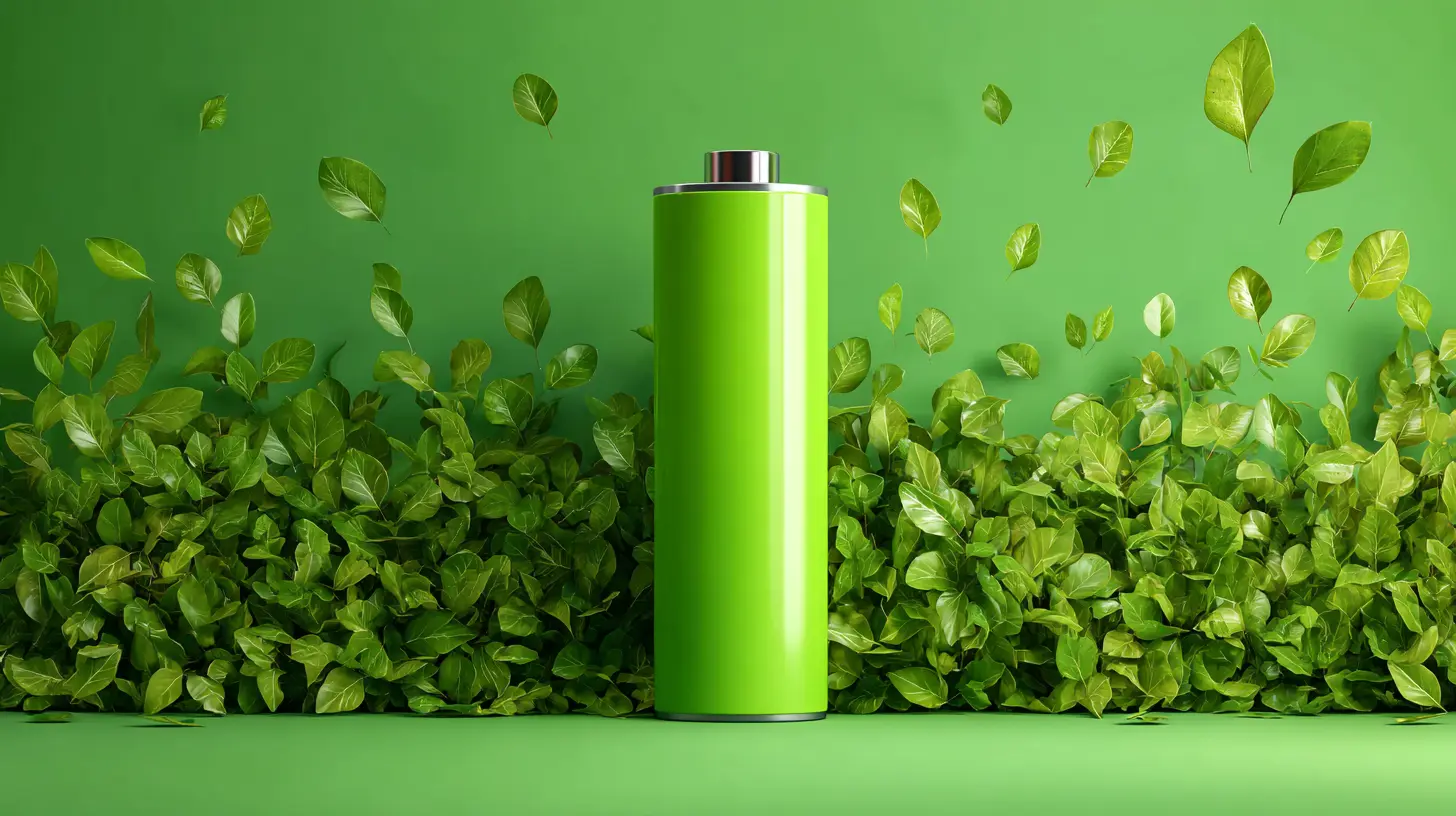
Why Energy Storage Even Matters (Like, A Lot)
Alright, let’s clear this up: Solar panels and wind turbines are amazing, but they’ve got commitment issues. They generate power only when the sun shines or the wind blows—which, let’s be real, isn’t exactly 24/7. So what happens when the weather ghosts us? That’s where energy storage struts in, hair blowing in the wind, ready to keep our lights on.Storage isn’t just a “nice-to-have”—it’s the backbone of a reliable, resilient, and renewable energy grid. Without it, all that green electricity gets wasted faster than your New Year’s resolutions.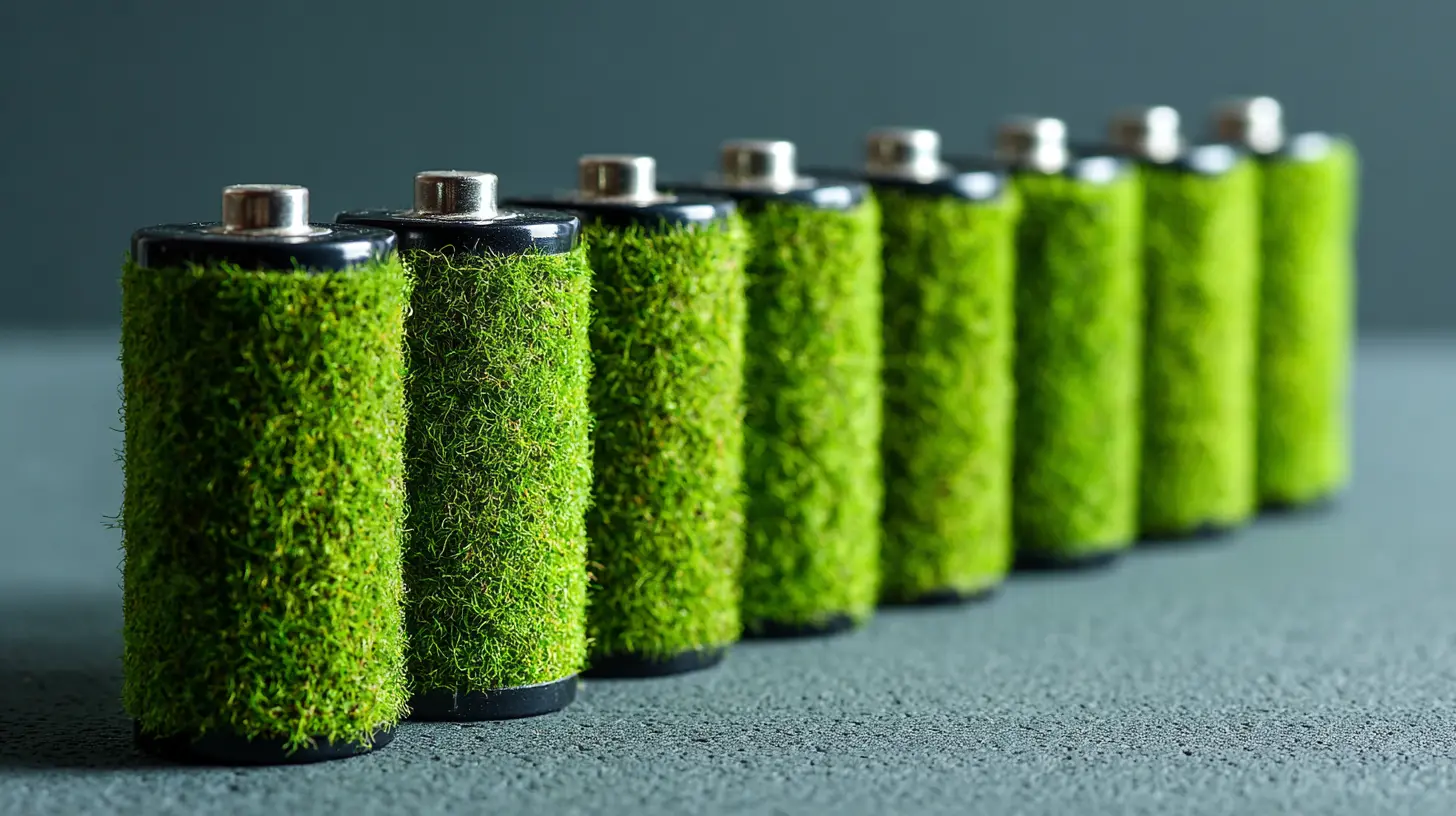
The Battery Blues: What’s Holding Us Back?
Batteries, especially lithium-ion ones, are the current darlings of the energy world. They’re compact, efficient, and relatively easy to deploy. But (and this is a big BUT), they're not perfect.Here's the tea:
- Environmental Cost: Mining lithium and cobalt is messy, energy-intensive, and often linked to some shady labor practices.
- Lifespan Limitations: They wear out, just like your favorite hoodie.
- Fire Hazards: Ever seen a lithium battery catch fire? It’s like fireworks, but terrifying.
- Scalability Issues: Scaling up batteries for grid storage isn’t as easy—or affordable—as it sounds.
So, what’s a planet-loving, tech-savvy human to do? We look beyond batteries—duh.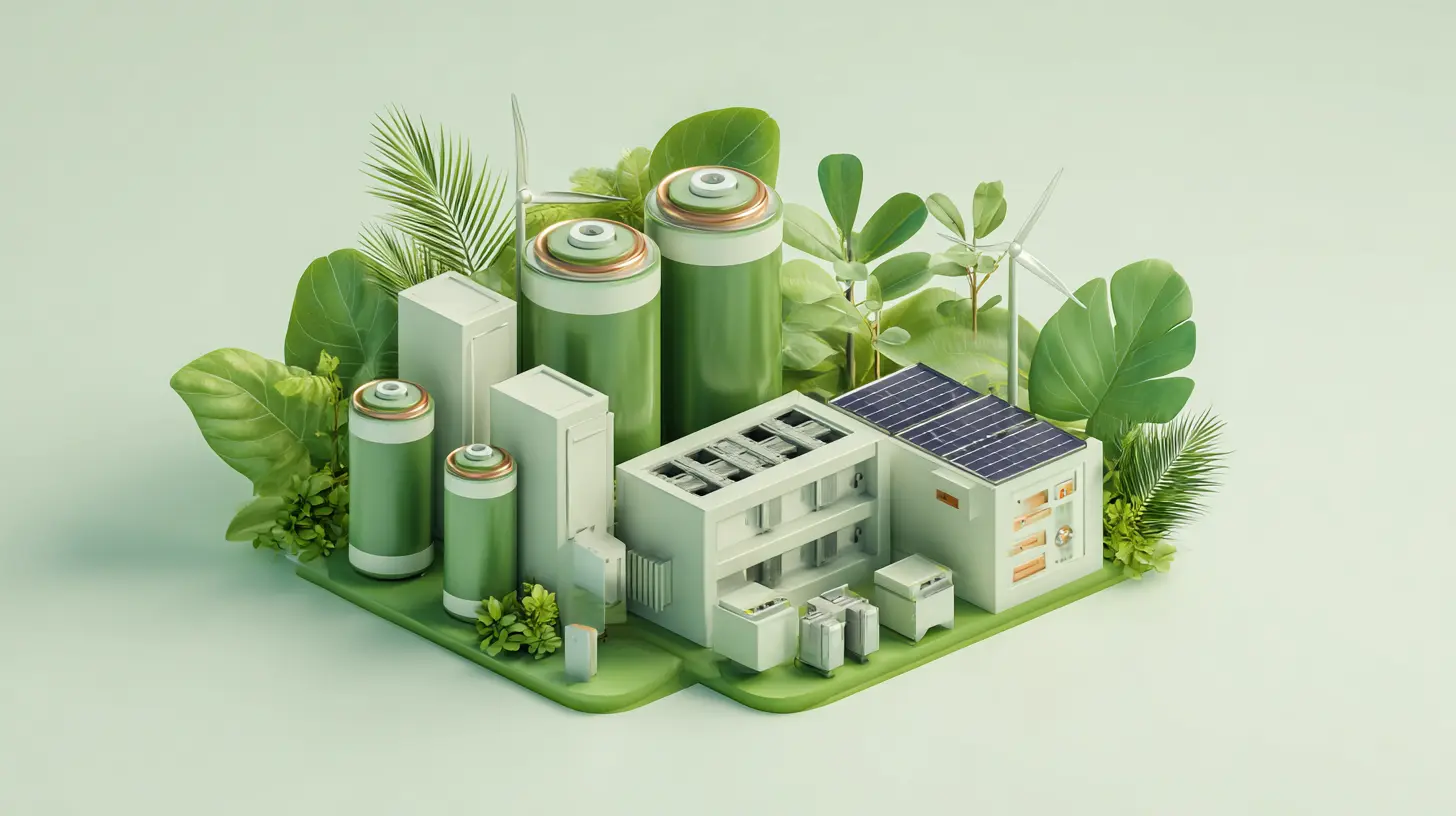
Pumped Hydro Storage: Oldie But Goodie
Let’s start with the granddaddy of energy storage: pumped hydro. It’s been around longer than social media drama, and guess what? It still slaps.How It Works
Two water reservoirs—one high up, the other down low. When there’s extra energy (say from solar at noon), it pumps water uphill. When you need power later, water flows back down, spinning turbines like it’s at an amusement park. Simple. Genius. Effective.Pros
- Crazy long lifespan—some systems last 50+ years.- Huge storage capacity.
- Low maintenance.
Cons
- Needs the right geography (aka, hills and water).- Environmental disruption during construction.
Still, pumped hydro provides over 90% of the world’s energy storage. So yeah—it might not be flashy, but it gets the job done.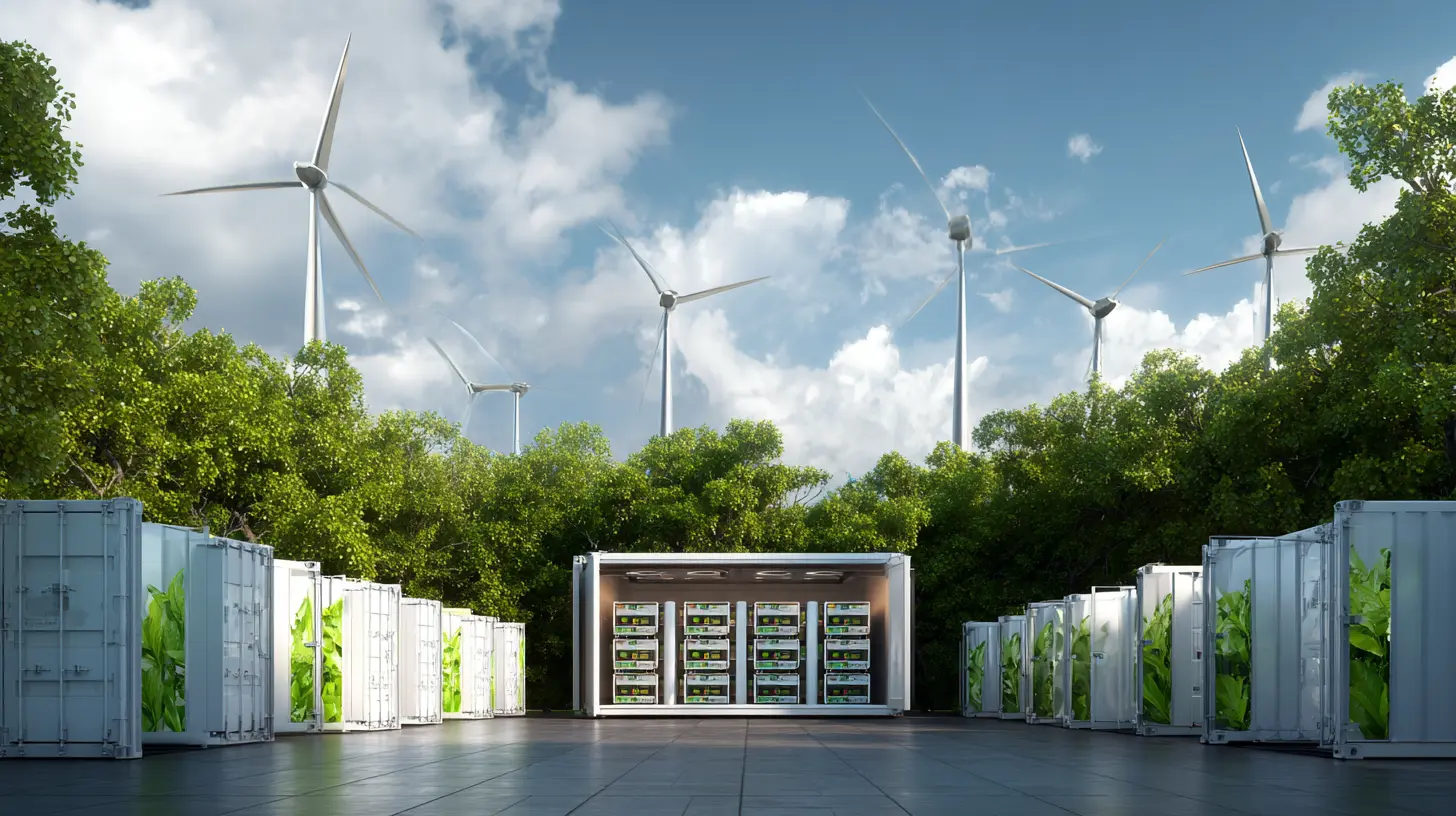
Compressed Air Energy Storage (CAES): Because Air Isn’t Just for Breathing
If you like your storage with a whiff of innovation, meet CAES. It’s like putting energy in a balloon, but make it high-tech.How It Works
When there’s excess energy, it’s used to compress air and store it underground or in tanks. Later, the air is released, heated, and used to generate electricity via turbines.Pros
- Can store large amounts of energy for long periods.- Uses tried-and-true turbo machinery.
Cons
- Efficiency isn’t as high as batteries.- Requires big, often geological, storage areas.
It’s not perfect, but it’s scalable as heck—and that’s kinda the point.
Flywheels: Spin to Win
Flywheels are the cool kids of the energy storage scene. Sleek, fast, and a little misunderstood.How It Works
Energy is used to spin a rotor at high speeds. When electricity is needed, the rotor’s kinetic energy is converted back into power. It’s physics, baby.Pros
- Insanely fast response time.- Long lifespan (we’re talking millions of cycles).
- Low maintenance and no hazardous chemicals.
Cons
- Not great for long-term storage.- Efficiency can drop off if not used quickly.
Think of flywheels like shot espresso: fast, powerful, but not something you want to rely on hours later.
Thermal Energy Storage: Hot Stuff (Literally)
Who said heat can’t be cool? Thermal energy storage (TES) is here to prove them wrong. It’s all about storing heat or cold to be used later for power or climate control.How It Works
Energy is used to heat a material (like molten salt or rocks). Later, that stored heat is used to produce steam, spin turbines, and voilà, you’ve got electricity on demand.Pros
- Great for pairing with solar thermal plants.- Materials are often cheap and abundant.
- Long storage durations possible.
Cons
- Heat loss over time.- Infrastructure can be complex and bulky.
TES is kind of like your Dutch oven—takes time to heat up, but boy does it hold that warmth.
Hydrogen: The Dark Horse of Green Storage
Remember hydrogen? Yeah, the thing that makes up 75% of the universe? It turns out it's also a total power player in the clean energy game.How It Works
Excess electricity is used to split water molecules into hydrogen and oxygen via electrolysis. That hydrogen? It can be stored, transported, or even turned back into electricity later.Pros
- Can store energy for months. Yes, months.- Versatile—can be used in fuel cells, vehicles, and even heating.
- Zero emissions when burned (just water vapor).
Cons
- Electrolysis is still kinda pricey.- Storage and transport involve some tricky chemistry.
- Efficiency isn’t top-tier (yet).
Hydrogen is like that underrated indie band—you just know it’s gonna blow up in the next few years.
Gravity-Based Storage: Energy With a Side of Physics
Imagine lifting a heavy thing when you have energy and dropping it later to get that energy back. That's essentially what gravity-based storage does. It's so simple it kinda feels like cheating.How It Works
Big weights (usually concrete blocks) are lifted using motors when there's surplus energy. Later, the weight is dropped, converting gravitational potential energy into electricity.Pros
- Long lifespan and low operating cost.- No rare materials required.
- Can scale as needed.
Cons
- Needs space and specialized infrastructure.- Early stages of development.
Companies like Energy Vault are making waves in this game, and honestly? We’re here for it.
Flow Batteries: The Cooler Cousin of Lithium-Ion
Don't sleep on flow batteries—they might just be the future of large-scale energy storage.How It Works
Two liquid electrolytes are stored in separate tanks and pumped through a cell stack where they exchange ions, creating electricity.Pros
- Super long life (we’re talking decades).- Easy to scale—just add more fluid.
- Safe and reliable.
Cons
- Lower energy density than li-ion.- More suited to stationary storage than mobile.
Think of them as the laid-back yogi of the battery world: calm, balanced, and always ready to go with the flow.
What’s the Bottom Line?
If we’re serious about a zero-carbon future, then we’ve gotta stop crushin’ so hard on lithium-ion. Sure, it’s cute and reliable, but it’s not the only fish in the energy storage sea.The future? It’s gonna be a vibrant, eclectic buffet of solutions—some old-school, some futuristic, and some just plain weird (in a good way). Whether it’s gravity, heat, hydrogen, or high-speed spinning wheels, the tech is out there, and it’s ready to rock.
The real question is: are we bold enough to embrace it?
Because one thing’s clear—going beyond batteries is the bold, brilliant, and absolutely necessary move if we want to build a greener tomorrow.
So, What Can You Do?
This isn't just a geeky tech trend; it’s the kind of revolution that needs support from everyone—from policy makers to DIY enthusiasts. If you’ve made it this far, you’re already ahead of the curve. Stay curious. Stay loud. And keep asking the hard questions like:- Why aren’t we funding more pilot projects?
- Where’s the investment into non-battery storage?
- Can we make these technologies more accessible?
The future of energy isn’t about picking one perfect solution. It’s about building the best team—and teamwork makes the green dream work.
all images in this post were generated using AI tools
Category:
Green TechnologyAuthor:

Pierre McCord
Discussion
rate this article
1 comments
Linnea McKittrick
Green energy storage is not just a trend; it's a necessity. We need to invest in innovative solutions that go beyond batteries to truly harness renewable power and combat climate change.
May 14, 2026 at 2:51 PM
Pierre McCord
Absolutely! Exploring diverse solutions is crucial for maximizing renewable energy potential and addressing climate change effectively.