The Role of Drones in Environmental Conservation and Green Technology
21 January 2026
Let’s be real—when most of us think of drones, we picture someone flying a little quadcopter around a park or maybe capturing some epic aerial shots for YouTube. But did you know drones are quietly becoming superheroes in the world of environmental conservation and green tech? Yep, they've gone far beyond hobbyist gadgets and become powerful tools to help save our planet.
From tracking endangered wildlife to fighting deforestation and even planting trees, drones are doing some seriously cool—and crucial—work. So, buckle up, because we're about to dive into how these buzzing bots are making a difference in our world, and why they matter more now than ever.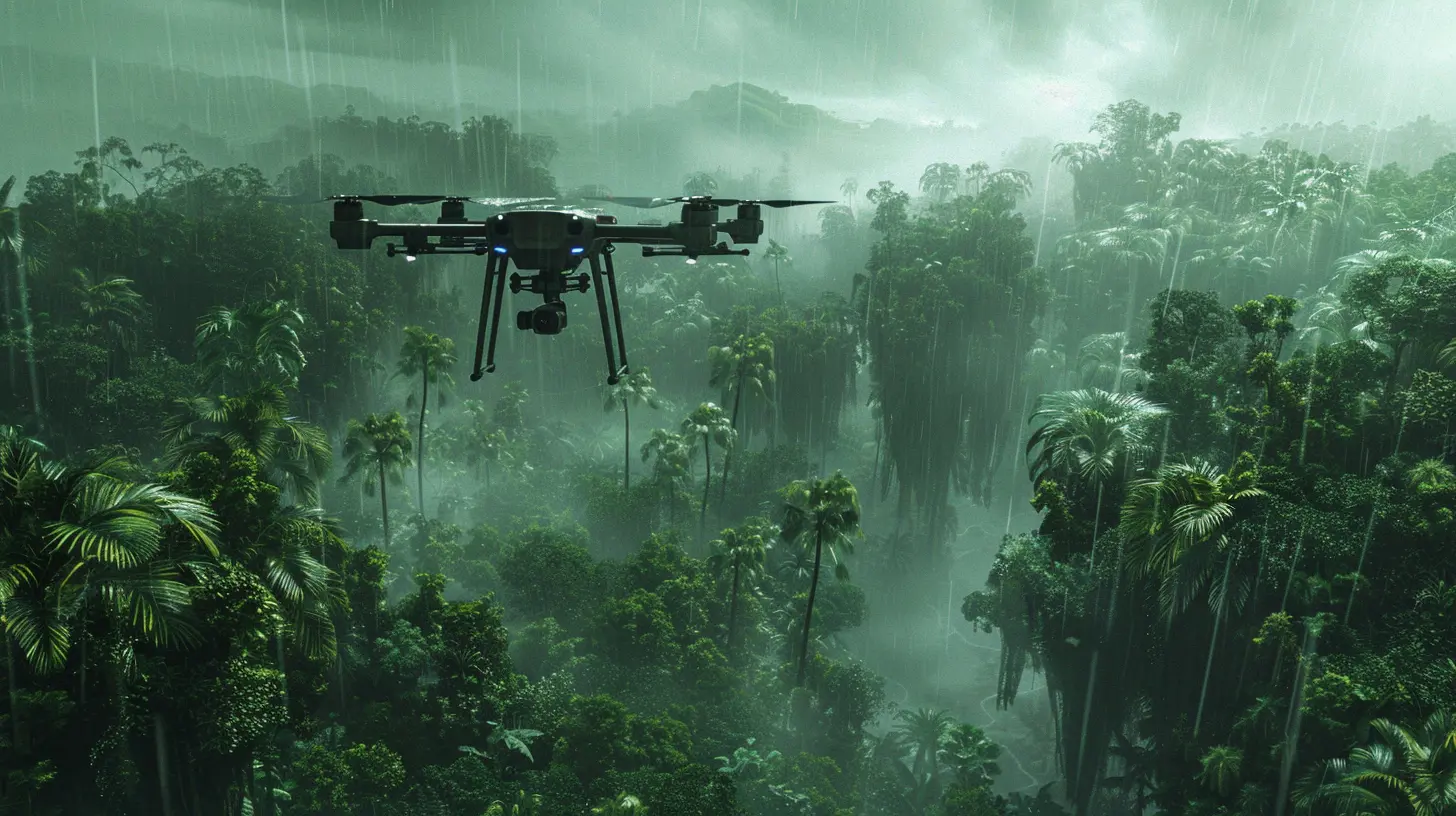
Why Drones? Why Now?
Here's the thing—Earth’s facing some major challenges. Climate change, pollution, deforestation, species extinction... the list goes on. Traditional environmental monitoring methods? They’re often expensive, time-consuming, and let’s be honest, not always effective. That’s where drones come in.Drones, or Unmanned Aerial Vehicles (UAVs), offer a fresh perspective—literally. They can fly, hover, and reach places humans can’t easily access. They’re fast, efficient, and with the right tech onboard, incredibly smart. Add to that the rapidly declining cost of drone tech, and you've got a perfect storm of opportunity for environmental innovation.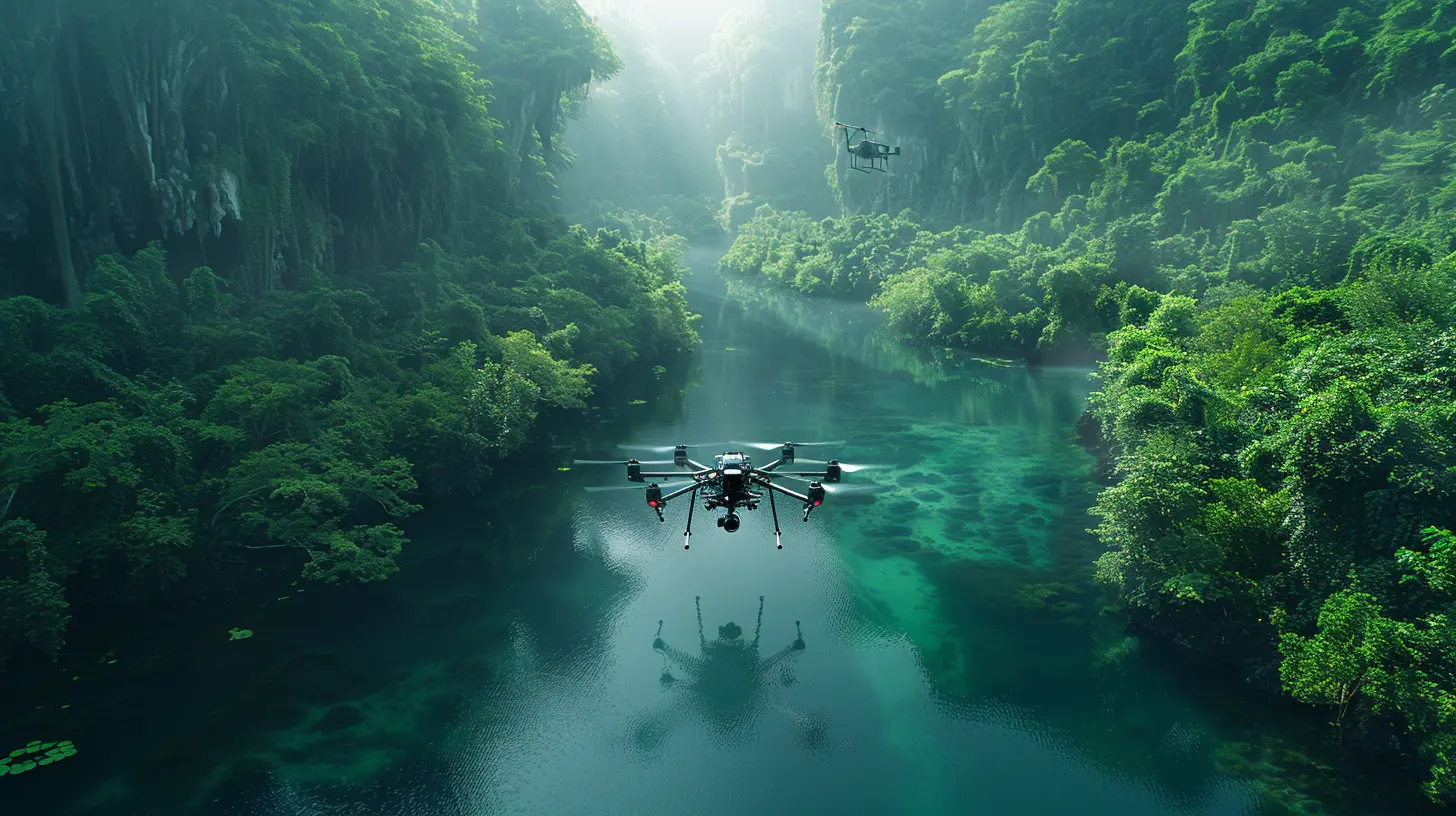
Drones and Environmental Monitoring
Keeping an Eye on Our Forests
Forests are the lungs of our planet. And they're under constant threat from illegal logging, fires, and urban expansion. Traditionally, monitoring forests involved satellites or people trekking through thick brush. Drones simplify that whole process.Equipped with high-resolution cameras and sensors, drones can fly over vast stretches of forest in a short time. They capture detailed images that help scientists:
- Detect illegal logging in real time
- Monitor forest health
- Map land cover changes over time
Think of drones like watchdogs from the sky—only instead of barking, they’re snapping photos and collecting data.
Watching Over Wildlife
Want to track a herd of elephants without disturbing them? Or locate a snow leopard in the Himalayas? Good luck doing that with a jeep and binoculars. Drones make wildlife monitoring safer and more effective.They can fly silently, collect thermal images at night, and even identify individual animals using AI-powered image recognition. Researchers can use this data to study animal behavior, migration patterns, and population numbers—without stepping foot in their habitat.
Pretty wild, right?
Air and Water Quality Checks
It’s not just land and critters getting the drone treatment. Drones can also monitor air and water quality using onboard sensors. They can fly into polluted areas (like factory zones or oil spills), collect samples, and relay environmental data in real-time.This tech is especially useful in emergencies—say a chemical leak or an algal bloom—where quick, accurate info could help stop the problem from spiraling out of control.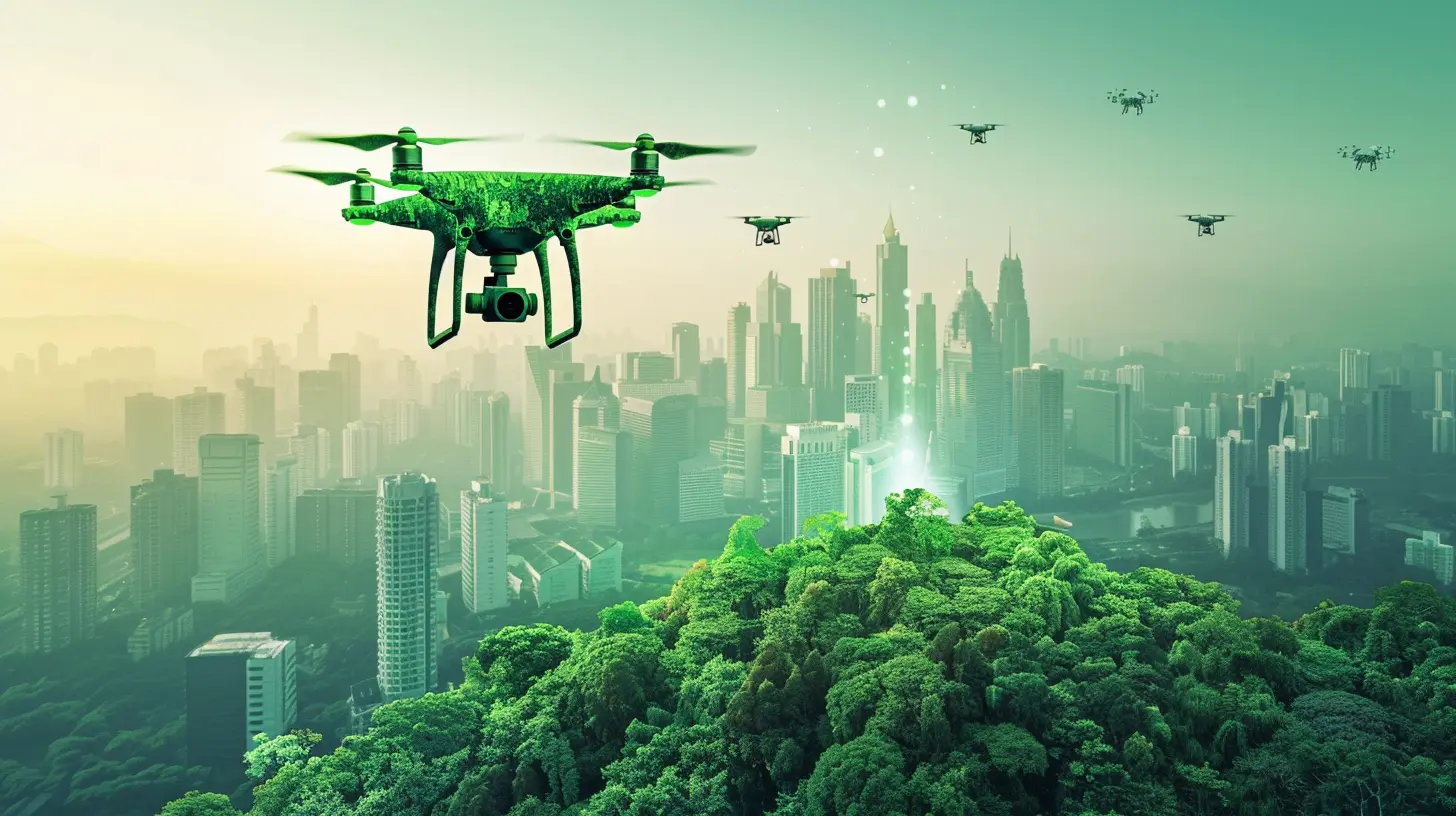
Fighting Climate Change, One Flight at a Time
Forest Restoration and Tree Planting
Imagine planting thousands of trees in a day without even getting your hands dirty. Sounds like magic? It’s real—thanks to drones.Companies like Dendra Systems use drones to reforest degraded lands. Here’s how it works:
- First, the drone maps the area using 3D imaging
- Then, it identifies optimal planting spots
- Finally, it zips around shooting seed pods directly into the ground
And just like that, reforestation gets a high-tech upgrade. We're talking up to 100,000 trees planted per day, all while reducing carbon emissions compared to traditional methods.
Monitoring Ice and Glaciers
Glaciers are melting. Fast. Monitoring them is vital for climate science, but it's also dangerous and logistically tough. Drones can fly over glaciers, capture 3D maps, measure ice thickness, and monitor changes over time.They let scientists get up-close data from treacherous, remote areas in the Arctic or Antarctica—without risking lives. That's a game changer.
Solar and Wind Farm Maintenance
Green tech isn't just about what we save—it's also about what we build. Enter solar panels and wind turbines. Trouble is, keeping them in tip-top shape isn’t easy. That’s where drones jump in.With infrared cameras and sensors, drones can:
- Identify malfunctioning panels
- Inspect wind turbines without shutting them down
- Reduce maintenance times and costs
It’s like sending in a tiny air force of mechanics that never needs a ladder or harness.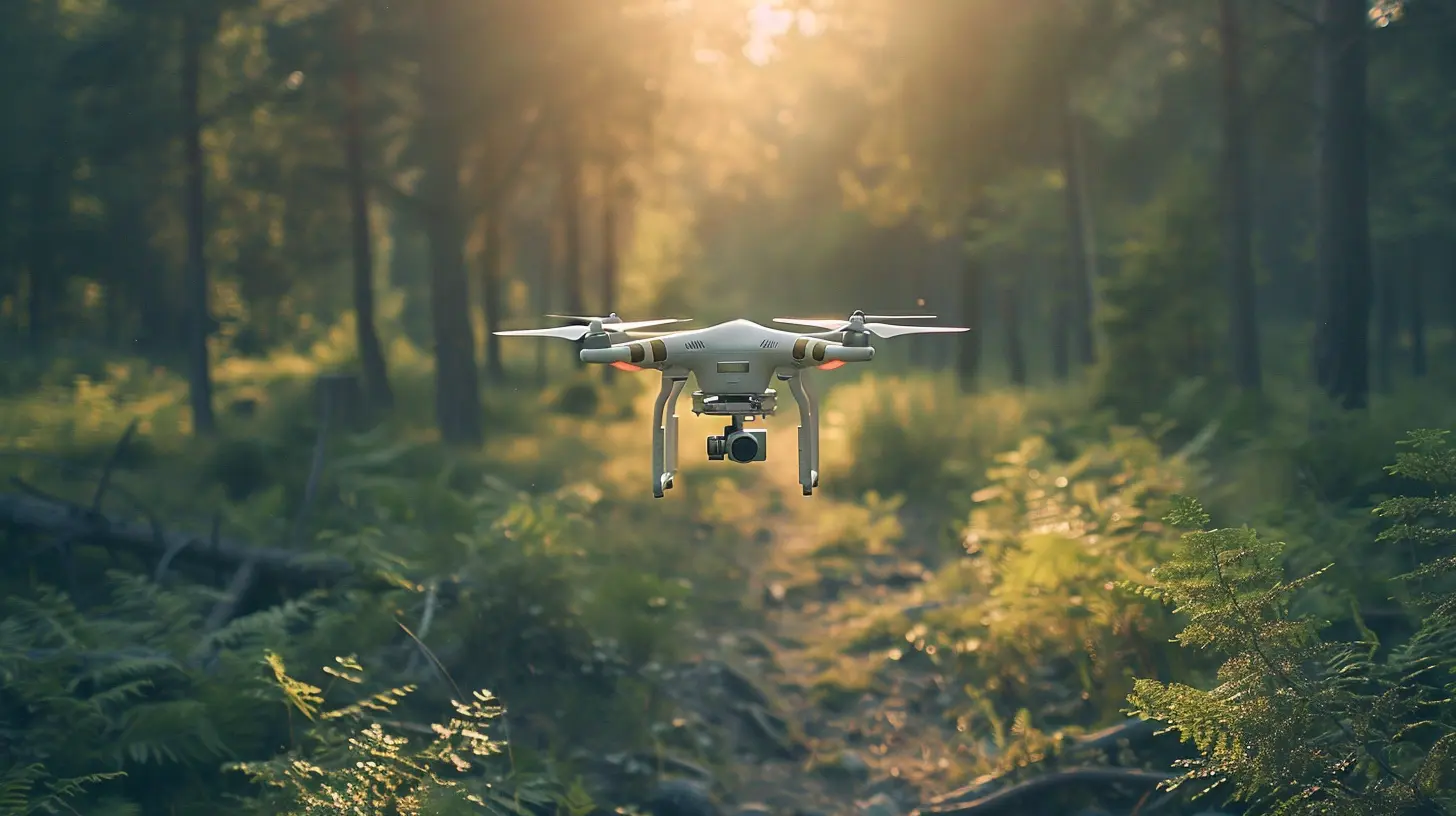
Disaster Response and Environmental Cleanup
When natural disasters strike—think hurricanes, wildfires, or floods—the aftermath can be devastating for ecosystems. Drones help assess the damage quickly, safely, and efficiently.They can:
- Fly over disaster zones to map damage
- Locate pollution hot spots
- Deliver emergency supplies or monitoring equipment
Plus, drones are now being tested for their ability to clean up oil spills and plastic waste. Yep, there are drones out there skimming ocean surfaces, gathering trash like robotic pool cleaners for the sea.
How cool is that?
Challenges and Ethical Considerations
Okay, so drones are awesome. But let’s be real—there are still a few speed bumps.Privacy and Surveillance
Not everyone is thrilled about drones flying overhead. There’s a fine line between monitoring the environment and invading privacy. Regulatory frameworks are still catching up, and drone usage needs to be transparent and respectful.Wildlife Disturbance
Sometimes drones can spook animals, especially if they fly too low or make loud noises. It’s crucial for conservation groups to use quiet, non-invasive drone models and adapt flight paths to minimize stress on wildlife.Battery Life and Range
Drones have limits. They can’t fly forever, and harsh weather can mess with their performance. Expanding battery life, building solar-powered drones, or integrating drone swarms may be the next big steps.The Future of Drones in Green Tech
Drones are just getting started, and the future looks electric (pun intended). Here’s what we might see in the next few years:- AI-Enhanced Drones: Smarter drones that can make decisions in real-time
- Autonomous Swarms: Teams of drones working together, like flocks of robotic birds
- Biodegradable Drones: Made from materials that break down instead of polluting
- Hybrid Power Systems: Combining solar, wind, and battery power for longer missions
And the best part? These innovations won’t just help scientists—they’ll empower communities, local governments, and even individuals to take part in environmental protection.
Real-World Examples That Inspire
Let’s zoom in on some real-life stories:- Nepal: Conservationists used drones to map the habitat of the endangered red panda, helping to create better protection plans.
- Brazil: Anti-deforestation groups deployed drones to detect illegal logging in the Amazon rainforest. Thanks to real-time alerts, they stopped the destruction in its tracks.
- Australia: Following wildfires, drones helped assess damage, rescue injured animals, and even drop food supplies to remote areas.
These aren’t sci-fi stories—they’re happening now, and they’re just the beginning.
Conclusion: Tiny Machines, Massive Impact
Drones might be small, but their impact on green technology and environmental conservation is huge. From planting trees to cleaning oceans, these aerial allies are reshaping how we protect our planet.Are they perfect? Not yet. But the potential? It’s sky-high (literally). As long as we use them responsibly and keep pushing innovation, drones will continue to be a key player in building a sustainable future.
So next time you hear that familiar buzz overhead, take a second to wonder—could it be a hobbyist filming a park… or could it be a tiny environmental warrior at work?
all images in this post were generated using AI tools
Category:
Green TechnologyAuthor:

Pierre McCord
Discussion
rate this article
2 comments
Sofia Mullen
Drones soaring high for a greener tomorrow! 🌍✨
January 28, 2026 at 4:12 AM
Pierre McCord
Thank you! Drones are indeed transforming environmental conservation, making it easier to monitor ecosystems and support sustainability efforts. 🌱
Linnea Barrett
Drones are revolutionizing environmental conservation by providing crucial data for monitoring ecosystems, enhancing wildlife protection, and aiding in reforestation. Their potential in green technology is truly promising and impactful.
January 26, 2026 at 3:25 AM
Pierre McCord
Thank you for your insightful comment! Drones indeed play a pivotal role in transforming environmental conservation efforts and enhancing our ability to protect ecosystems and wildlife.