Voice Assistants for Kids: Fun, Learning, and Parental Controls
2 December 2025
Alright, let’s talk about something that’s making parenting a little bit easier and a whole lot more fun—voice assistants for kids. Yep, we’re talking about the pint-sized versions of the smart devices you might already have in your kitchen or home office, but these are specially built with a younger audience in mind.
From turning bedtime into storytime, to helping with homework and even encouraging positive behavior—voice assistants are quickly becoming every parent’s little helper. But wait... are they safe? How much control do parents really have? And can these devices actually boost learning without turning your child into a screen zombie? Let’s dive into the world of smart speakers for smart kids.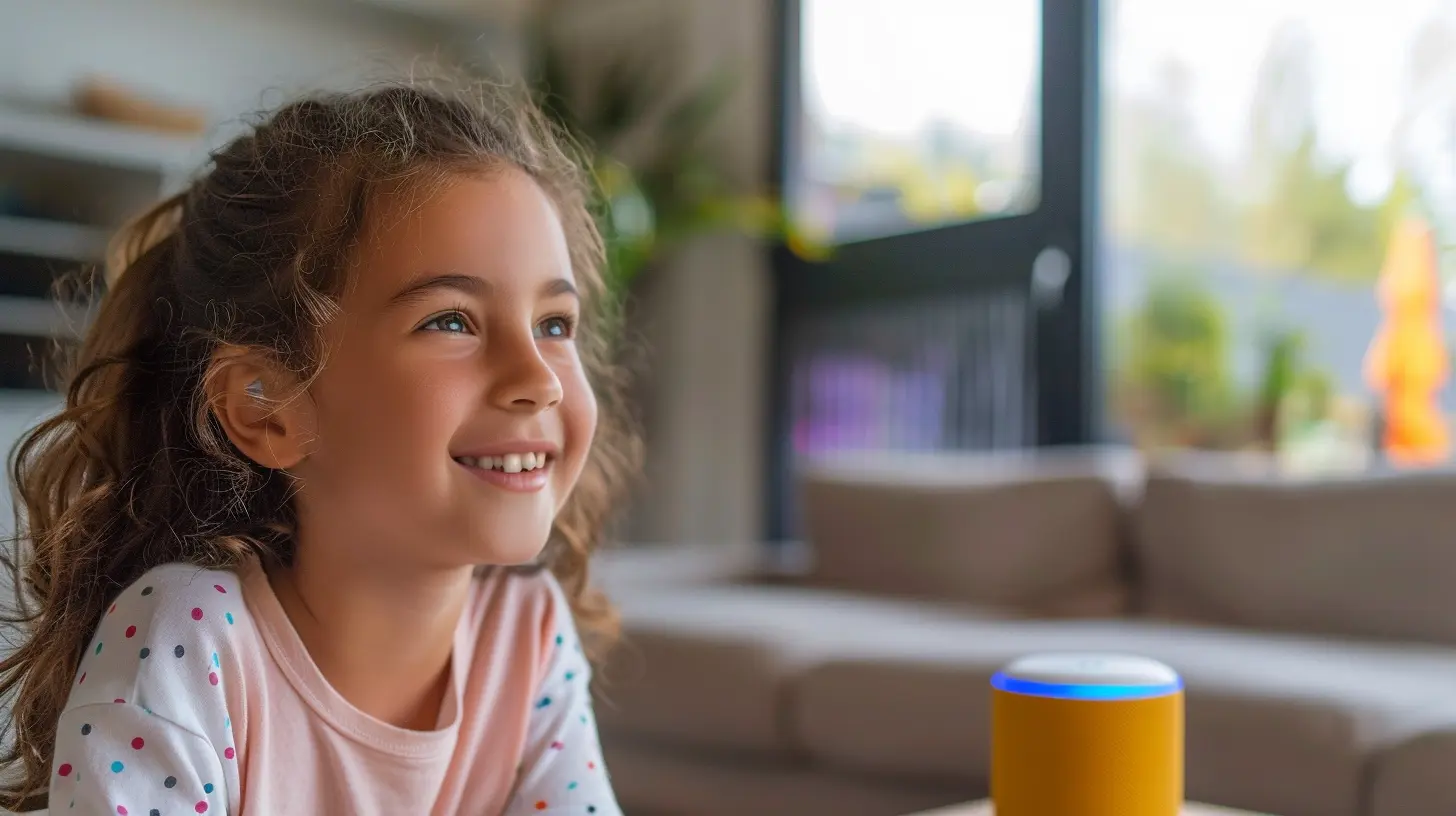
What Are Voice Assistants for Kids?
Voice assistants for kids are basically smart speakers or virtual assistants (think Alexa, Google Assistant, or Siri) that have been tailored to be more child-friendly. They speak in a tone that's more playful or age-appropriate and respond to a range of kid-focused commands, games, and questions.Whether it’s answering the classic “why is the sky blue?” or playing a goofy dinosaur joke, these devices are designed to entertain, educate, and sometimes even discipline (yes, really).
They can handle:
- Stories and audiobooks
- Educational quizzes and games
- Setting timers or reminders
- Answering curious questions
- Playing music and songs
- Helping with spelling and math
- and even telling jokes that actually crack a smile!
It’s like having a talking encyclopedia crossed with your favorite kindergarten teacher—minus the chalk dust.
Why Kids Love Voice Assistants
Let’s face it—kids are naturally curious. They love to ask questions, hundreds of them (every day). Voice assistants are a dream come true for their little, inquisitive minds.No need to wait for mom or dad to finish cooking dinner to ask, “What do penguins eat?” With a friendly voice assistant nearby, they get answers in real-time, and usually, in a super engaging way.
And the best part? These assistants never lose their patience, no matter how many times your child says, “Tell me a joke.”
Plus, it’s cool. Let’s not underestimate how much kids love feeling like big people. Giving voice commands to a device gives them a sense of control—like they’re talking to their own personal robot sidekick.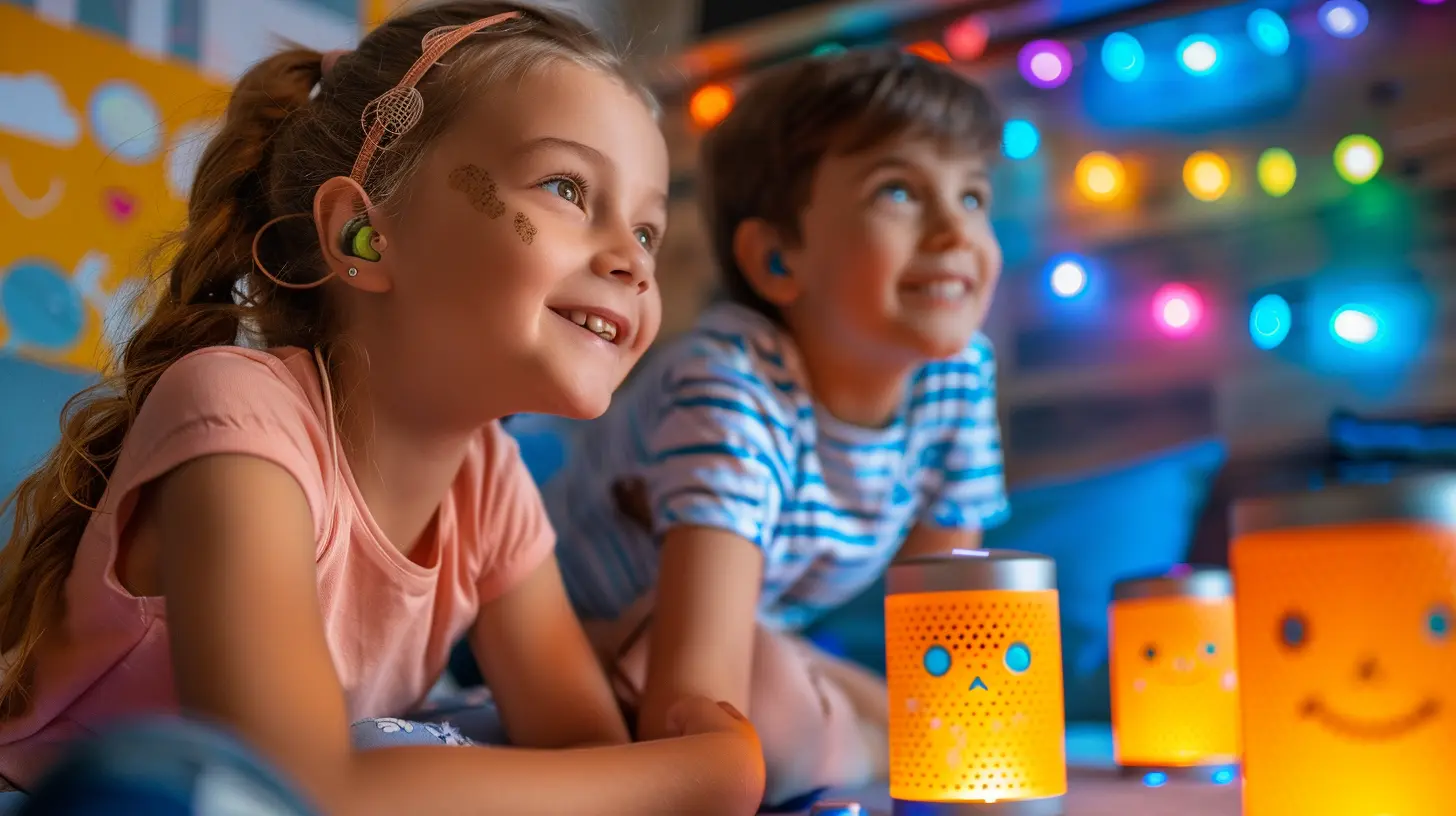
The Learning Advantage: Education Meets Entertainment
Now, this is where things get exciting. Voice assistants for kids aren’t just digital butlers; they can actually become learning tools. Seriously, the line between screen time and learning time just got way blurrier—in the best way possible.Interactive Learning
Forget boring flashcards. Kids can now play spelling games, practice math, and even hear bedtime stories that come alive with sound effects. The interactive nature of voice assistants keeps kids engaged in a way that traditional learning methods often don’t.Some assistants even adapt to your child’s learning pace. If your little one’s struggling with multiplication tables, they’ll offer up simpler problems or repeat tricky ones. It’s like a tutor in a tiny plastic shell.
Language Skills Booster
Got a preschooler working on their vocabulary? Voice assistants can encourage better speech by engaging in simple conversations. They prompt kids to repeat phrases, improve pronunciation, and even introduce new words.The more your child talks to the assistant, the better their language skills become. It’s basically conversation practice without the awkward eye contact.
Fun and Games Galore
Need some rainy-day entertainment? These voice assistants pack in plenty of fun. They’re loaded with games like:- 20 Questions
- Simon Says
- Animal Sounds Guessing
- Trivia Challenges
- Choose-Your-Own-Adventure Stories
Voice assistants don’t just pass the time—they get your kids thinking, laughing, and sometimes even moving around the room. (Psst… that’s a win for you and your couch cushions.)
Parental Controls: Keeping Things Safe and Sane
Let’s be real—handing over a smart device to a child can be a leap of faith. But thankfully, today’s kid-friendly voice assistants come with a suite of parental controls that help put your mind at ease.Explicit Content Filters
No more accidental slip-ups. You can enable filters that keep out songs, jokes, or responses that might not be age-appropriate. No surprises—just peace of mind.Time Limits
Want to make sure your kid’s not chatting with Alexa at 2 a.m.? You can set hours of operation, so the device “goes to sleep” when your child should too.Voice Recognition
Some assistants can even recognize individual voices. That means different responses for different users—so your 4-year-old won’t get the same suggestions as your 12-year-old.Activity Reports
Want to know what your child’s been up to? You can check activity reports to see what they’ve asked, what games they’ve played, and how often they’re interacting with the device.Basically, you’re in the driver’s seat—even if your kid is doing the talking.
Top Voice Assistants for Kids in 2024
Here are some standout options that really get it right when it comes to kid-friendliness:Amazon Echo Dot Kids Edition
This one is a crowd favorite. It comes with a colorful design, features built-in parental controls, and includes a year of Amazon Kids+, which offers access to thousands of hours of kid-friendly music, books, and games.Bonus? It responds in a friendly, child-like voice and tells jokes that don’t make parents cringe.
Google Nest Mini with Family Link
The Nest Mini isn’t technically a “kids edition,” but pair it with Google’s Family Link app, and you can set up parental controls galore. It integrates well with Google services, making it great for answering questions and helping with schoolwork.Apple’s Siri on iPad or HomePod
For Apple families, Siri is a solid choice. While it lacks the full Kid Mode of its competitors, the iPad’s Screen Time settings help you create a safe environment. Plus, access to Apple Books and Music adds a delightful, educational touch.Encouraging Responsible Use
This part’s key. Voice assistants are tools—not babysitters. They’re great when used in moderation and under a bit of guidance.Here are some quick tips on making the most out of this tech while keeping screen (or rather, voice) time healthy:
- Set clear boundaries – Let your kids know what the assistant is for (and what it’s not).
- Encourage learning-based use – Promote educational games and use it as a homework helper.
- Participate with your child – Use the assistant together.
- Have tech-free times – Dinner? Storytime? Those moments are still priceless and should remain unplugged.
Remember: the goal is to empower, not replace you.
Voice Assistants and Privacy: What to Know
Okay, let’s get serious for a sec.You’ve probably heard the buzz about privacy concerns with always-on devices. And while it’s true that voice assistants are listening for their wake word (like “Hey Alexa”), they’re not recording everything.
Still, it’s good to:
- Read the privacy policy of the device.
- Adjust settings to not keep voice recordings.
- Teach your kids about privacy—yes, even at a young age.
You have the tools. You just need to know where to find and use them.
The Verdict: Are Voice Assistants for Kids Worth It?
In a word? Absolutely.Voice assistants for kids blend fun, function, and a sprinkle of tech magic. They can bring stories to life, help with homework, and answer the millions of questions kids ask every week. Plus, they do it all with a smile (well, virtually).
And with parental controls getting better and more customizable, it’s easier than ever to give your child access without stressing out.
So whether you’re a tech-loving family or just looking for new ways to make learning exciting—these assistants are a friendly addition to your household. Think of them as your child’s first digital buddy—fun, helpful, and always ready with a pun.
Final Thoughts
Let’s just say, if Mary Poppins and R2-D2 had a baby, it’d probably be a voice assistant for kids. They're whimsical, helpful, and packed with more talent than your average assistant.As long as you're involved, set healthy boundaries, and choose the right device with the right features, there’s a whole lot to love. And who knows? You might even find yourself sneaking in a few games of Simon Says after bedtime.
Go ahead—talk to the speaker. You're raising a little genius.
all images in this post were generated using AI tools
Category:
Voice AssistantsAuthor:

Pierre McCord
Discussion
rate this article
2 comments
Naya Sheppard
This article insightfully highlights the dual benefits of voice assistants for kids—providing entertainment and educational opportunities while emphasizing the importance of parental controls. It's a balanced perspective on navigating technology in children's lives.
December 9, 2025 at 6:04 PM
Pierre McCord
Thank you for your thoughtful comment! I'm glad you found the article's perspective on the benefits and importance of parental controls valuable.
Lila Chavez
Great insights on voice assistants for kids! It's fascinating how they blend fun and learning while keeping parental controls in check. Excited to explore more!
December 8, 2025 at 3:29 PM
Pierre McCord
Thank you! I'm glad you found the insights helpful. It's exciting to see how voice assistants are transforming learning for kids while ensuring safety!