What to Look for in a Future-Proof SaaS Platform
2 August 2026
Choosing a software-as-a-service platform is a bit like choosing a long-term business partner. You are not just buying a tool for today. You are making a commitment that will shape your workflows, your data, and your team's daily experience for years to come. The problem is that no one can predict exactly what your business will need in five years, let alone what the technology landscape will look like. So the goal is not to find a platform that predicts the future. The goal is to find one that can adapt to whatever future actually arrives.
This is harder than it sounds. Many platforms look modern on the surface but are rigid underneath. Others are flexible but chaotic, leaving you to stitch together integrations and workarounds that become technical debt. The key is to evaluate a platform not just on its current feature list, but on its architecture, its ecosystem, its pricing model, and its philosophy. Let me walk you through the specific things that matter, and why they matter more than you might think.

The Architecture Is the Foundation, Not the Features
When you first evaluate a SaaS platform, your instinct is to compare feature checklists. That is a mistake. Features change. They get added, deprecated, renamed, or buried under new menus. What does not change easily is the underlying architecture. The architecture determines how fast the platform can ship new capabilities, how well it handles scale, and how easily you can customize it without breaking things.Look for a platform that uses a modern, modular architecture. This usually means microservices or a well-designed service-oriented approach, rather than a monolithic codebase. You cannot see the code, but you can infer a lot from how the platform behaves. Ask about API rate limits, response times, and how often they deploy new versions. A platform that deploys weekly with minimal downtime is likely using a modern continuous delivery pipeline. A platform that releases major updates twice a year and requires maintenance windows is probably running an older, more rigid system.
Another architectural question is data isolation. Is your data stored in a shared database with other customers, or does the platform offer dedicated instances? Shared infrastructure is cheaper and fine for many use cases, but it can lead to noisy neighbor problems. If a large customer runs a heavy report, your performance might suffer. If the platform offers true multi-tenant isolation with separate databases or schemas, that is a sign of maturity. It also makes compliance and data deletion requests much easier to handle.
The API Is Your Real Interface
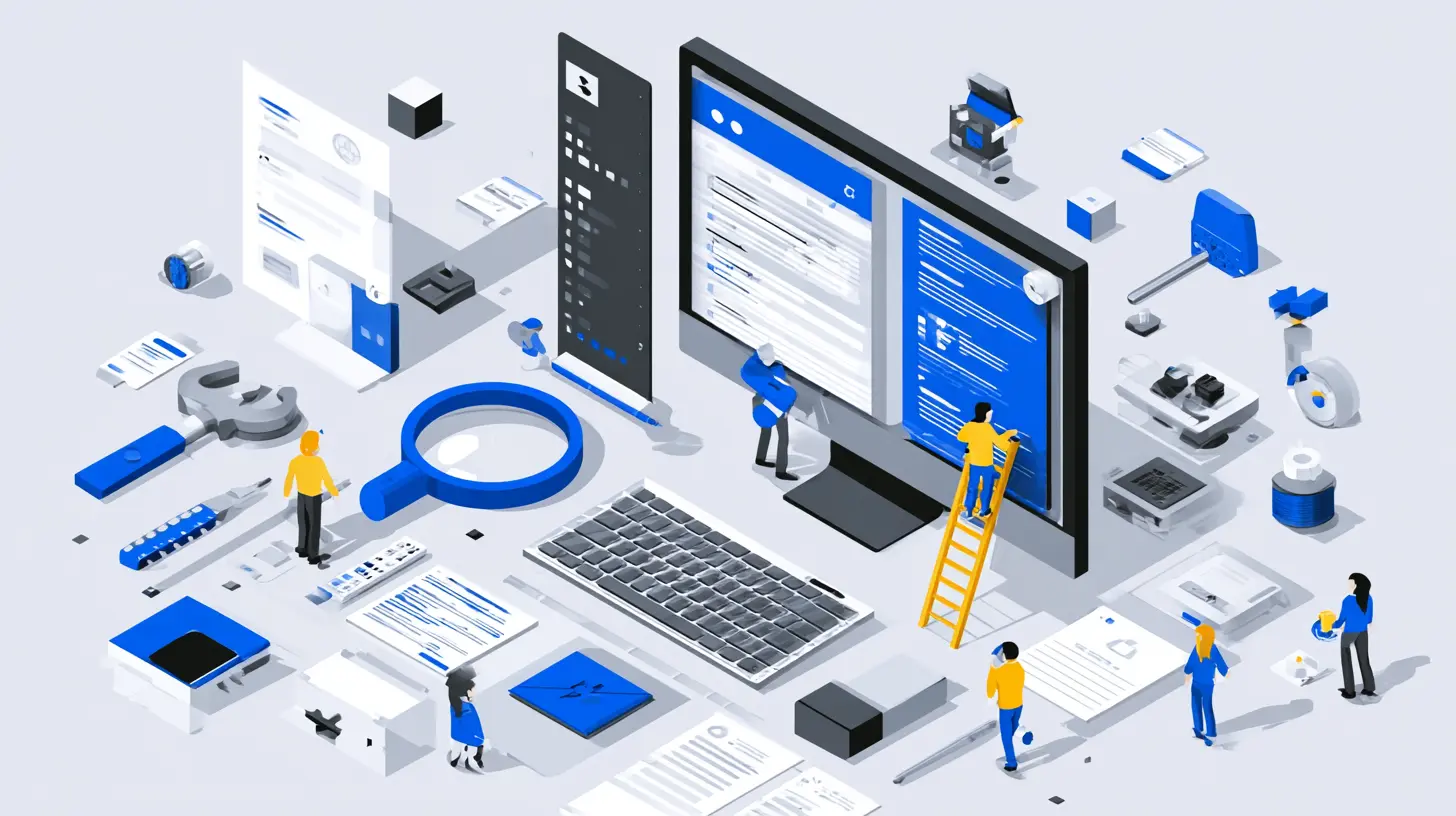
The user interface is what you see, but the API is what you build on. A future-proof platform must have a well-documented, stable, and comprehensive API. This is non-negotiable. If the API is an afterthought, you will hit a wall the moment you need to connect the platform to your CRM, your data warehouse, or your internal tools.Test the API before you buy. Look at the documentation. Is it clear? Are there code samples in multiple languages? Is there a sandbox environment where you can experiment without affecting production data? Check the versioning policy. A good API will have a clear deprecation schedule, giving you at least six months to a year before a breaking change takes effect. If the platform changes its API without warning, you are in for a painful ride.
Also pay attention to webhooks. Webhooks allow the platform to push events to your systems in real time, rather than making you poll for changes. This is essential for automation and for keeping your data in sync across tools. If a platform only offers polling, you will always have a delay between what happens in the platform and what your other systems know about it. That delay becomes a problem when you are trying to build real-time dashboards or automated workflows.

The Integration Ecosystem Is a Safety Net
No SaaS platform exists in a vacuum. You will need to connect it to other tools, whether that is Slack, Salesforce, Google Workspace, or a custom internal application. The depth and quality of the integration ecosystem is a strong signal of how future-proof the platform is.Look for native integrations with the tools you already use. Native integrations are usually more reliable than third-party connectors because they are maintained by the platform vendor. But do not stop there. Check if the platform has a marketplace or an app store. A vibrant ecosystem means that other developers are building on top of the platform, which extends its life and capabilities. It also means the platform is likely to stay relevant because it has a community invested in its success.
Be cautious of platforms that claim to integrate with everything but actually only offer shallow connections. A shallow integration might just sync basic fields, while a deep integration supports complex objects, custom fields, and bidirectional updates. Ask for specific examples. If you use a niche tool, ask the vendor if they have a pre-built integration or if you will need to build your own. If you have to build it yourself, the API quality becomes even more important.

Pricing Models That Do Not Punish Growth
Pricing is often the most emotional part of choosing a platform, but it is also one of the most strategic. A future-proof platform should have a pricing model that scales with you in a predictable way. The worst situation is to be locked into a contract that becomes prohibitively expensive as your usage grows, forcing you to either overpay or go through the painful process of switching.Look for transparent pricing based on clear metrics. Common models include per-seat pricing, usage-based pricing, or a tiered structure based on features. Each has trade-offs. Per-seat pricing is easy to understand but can get expensive if you have many occasional users. Usage-based pricing is fair if your usage is consistent, but it can surprise you with a huge bill if you have a spike. Tiered pricing is common but can force you to pay for features you do not need just to get the one you do.
The best approach is to model your expected growth over the next three years. Estimate how many users, how much data, and how many API calls you will need. Then calculate the cost under each pricing model. Look for a platform that offers a clear path from one tier to the next without forcing you to renegotiate or change plans drastically. Also ask about data storage costs. Some platforms charge for data at rest, which can become a hidden cost as you accumulate years of records. Others include a reasonable amount of storage and then charge for overages. Know what you are signing up for.
Data Portability and Exit Strategy
This is the topic that nobody wants to talk about, but it is the most important one for future-proofing. You need to know how you would leave the platform before you commit to it. A platform that holds your data hostage is not future-proof, no matter how good it looks today.Ask about data export options. Can you export all your data in a standard format like CSV, JSON, or SQL? Can you export attachments and files, or only the structured data? Is there a self-service export, or do you have to contact support? How long does it take? Some platforms make you wait days or even weeks for a full export, which is a red flag.
Also ask about the deletion process. If you cancel your subscription, what happens to your data? Is it deleted immediately, or does it linger on their servers? Do they provide a certificate of deletion if you need it for compliance? A good platform will have a clear data retention policy and will make it easy for you to leave. This might sound counterintuitive, but a platform that makes it easy to leave is actually more likely to keep you, because you will not feel trapped.
Security and Compliance Are Non-Negotiable
Security is not a feature you can see, but it is the foundation of trust. A future-proof platform must have robust security practices, including encryption in transit and at rest, multi-factor authentication, and regular security audits. Look for certifications like SOC 2 Type II, ISO 27001, or HIPAA compliance if you are in healthcare. These certifications are not just badges. They represent a commitment to processes and controls that are independently verified.But do not stop at certifications. Ask about their incident response plan. How do they handle a breach? How quickly do they notify customers? Do they have a public status page? Do they offer a bug bounty program? These are signs of a security-conscious organization. A platform that is vague about security is a platform that is not ready for your data.
Also consider where your data is hosted. Data residency requirements vary by country and industry. If you operate in the EU, you may need a platform that offers EU data residency. If you are in finance, you may need specific controls. A platform that allows you to choose your data region is more flexible than one that stores everything in a single location. This is especially important if your business expands internationally.
The Vendor's Longevity and Vision
You are not just buying software. You are buying a relationship with a company. That company needs to be around in five years, and it needs to be moving in a direction that aligns with your needs. This is hard to evaluate, but there are signals.Look at the company's funding and revenue. Are they profitable, or are they burning through venture capital? A profitable company is more stable, but a well-funded startup can also be a good bet if they have a strong product and a clear roadmap. Look at their leadership team. Have they been through multiple product cycles? Do they have a track record of listening to customers?
Check their public roadmap. Do they share what they are working on? Do they have a process for incorporating customer feedback? A platform that is transparent about its roadmap is more likely to evolve in a direction that benefits you. A platform that keeps its roadmap secret is treating you as a customer, not a partner.
Also look at their history of breaking changes. Have they deprecated major features in the past? How did they handle it? Did they give ample warning, or did they force customers to migrate overnight? This is a strong indicator of how they will treat you in the future. A vendor that respects its existing customers during transitions is a vendor you can trust.
Customization Without Complexity
Every business has unique workflows. A future-proof platform must allow you to customize it to fit your needs, but it should not require a full engineering team to do so. Look for a balance between low-code customization and deep programmatic access.Low-code tools like drag-and-drop form builders, workflow automations, and custom dashboards are great for business users. They allow you to adapt the platform without writing code. But they have limits. At some point, you will need to do something that the low-code tools cannot handle. That is where the API and a robust developer environment come in.
Ask about custom objects, custom fields, and custom scripts. Can you extend the data model? Can you write server-side logic? Can you embed the platform in your own application? A platform that offers both low-code and pro-code options is more future-proof than one that only offers one or the other. The low-code tools let your business users move fast, while the pro-code tools let your engineers build complex solutions.
Performance and Reliability at Scale
You cannot predict exactly how much load you will put on the platform, but you can evaluate how the platform handles load. Look for a service level agreement (SLA) that guarantees uptime. A typical SLA is 99.9% uptime, which translates to about 8.7 hours of downtime per year. Some platforms offer 99.99%, which is less than an hour of downtime per year. The higher the SLA, the more confident the vendor is in their infrastructure.But uptime is not the only metric. Ask about latency. How fast are API responses on average? How fast does the user interface load? What happens during peak usage times? A platform that slows down when you have 100 concurrent users will likely struggle when you have 1,000.
Also ask about disaster recovery. Where are their backups? How quickly can they restore data after an outage? Do they have a redundant infrastructure across multiple data centers? A platform that relies on a single data center is a risk, no matter how good their software is.
The Hidden Cost of Custom Integrations
Many businesses make the mistake of choosing a platform based on its native features, only to discover that they need a custom integration for every other tool they use. Custom integrations are not just a one-time cost. They require ongoing maintenance. Every time the platform updates its API, or the other tool updates its API, your integration can break.Before you commit, map out all the tools you currently use and the ones you plan to use in the next few years. For each tool, ask the platform vendor if they have a native integration, a third-party integration, or no integration at all. If you need a custom integration, estimate the development and maintenance cost. This is often where the true cost of a platform becomes clear. A platform with a rich integration ecosystem can save you tens of thousands of dollars in development costs over the years.
The Role of AI and Automation
Artificial intelligence is not a buzzword anymore. It is becoming a standard feature in many SaaS platforms. But be careful. AI features can be flashy without being useful. A future-proof platform should use AI to solve real problems, not just to add a chatbot to the interface.Look for AI features that are integrated into the core workflows, such as automated data classification, predictive analytics, or intelligent workflow routing. Ask if these features are included in your plan or if they are add-ons. Also ask about the data used to train the AI. If the platform uses your data to train its models, that could be a privacy concern. Some platforms allow you to opt out, while others do not.
The more important question is whether the platform's architecture can accommodate future AI capabilities. A platform with a modern data layer and a strong API will be able to integrate new AI features as they emerge. A platform with a rigid architecture will lag behind, forcing you to switch or to build your own AI layer on top.
Community and Support Quality
When you hit a problem, you want answers fast. The quality of support and the strength of the community are often overlooked in the evaluation process, but they are critical for long-term success.Look for a platform with an active community forum, a knowledge base, and responsive support. Test their support before you buy. Send a question through their support channel and see how long it takes to get a response. Is the response helpful, or is it a generic FAQ link? Do they offer 24/7 support, or only during business hours? What is the response time for critical issues?
Also look at the community. Are there active users sharing tips, templates, and best practices? Is there a user group in your area or online? A strong community means you can find solutions to problems without waiting for official support. It also means the platform is likely to have a longer life, because the community will keep it alive even if the vendor makes missteps.
The Contract and Renewal Experience
Finally, read the contract carefully. Look for auto-renewal clauses, lock-in periods, and termination fees. A future-proof platform should offer flexible terms, such as monthly or annual plans, without forcing you into a multi-year commitment. If they require a long-term contract, ask why. Is it because they are confident in their product, or because they want to lock you in?Also ask about the renewal process. Will your price stay the same, or can they increase it arbitrarily? Some platforms have a history of raising prices significantly at renewal, especially for existing customers. Ask for a price guarantee or a cap on annual increases. This is not unreasonable. A platform that is confident in its value should be willing to offer predictable pricing.
Making the Final Decision
No platform is perfect. You will have to make trade-offs. The key is to identify which trade-offs you can live with and which ones are deal-breakers. Make a list of your non-negotiables, such as data residency, API quality, or specific compliance certifications. Then rank the platforms you are considering against those criteria.Do not be swayed by a beautiful user interface alone. The UI can change. The architecture, the API, the pricing model, and the vendor's philosophy are much harder to change. A platform that feels slightly clunky today but has a solid foundation will serve you better than a platform that looks great but is built on sand.
Also, talk to current customers. Ask them about their experience with uptime, support, and feature releases. Ask them what they wish they had known before they signed up. This is the most honest feedback you can get. Vendors will always show you their best side. Customers will show you the warts.
A Final Word on Patience
Choosing a SaaS platform is not a decision you should rush. It is worth spending a few weeks, or even a few months, on the evaluation. Use trial versions. Build small prototypes. Test the API. Export your data and import it into another system to see how painful it is. The time you invest upfront will pay off many times over in the years you spend using the platform.Remember that future-proofing is not about finding a platform that will never change. It is about finding a platform that can change with you, that does not trap you, and that gives you the freedom to adapt as your business evolves. The right platform is not the one with the most features. It is the one that gives you the most options, the least risk, and the best partnership for the long haul.
all images in this post were generated using AI tools
Category:
Saas ToolsAuthor:

Pierre McCord