What Virtual Reality Meetings Will Look Like in 2027
16 April 2026
Remember the frantic scramble of the early 2020s? The “you’re on mute” chorus, the gallery of frozen faces, the soul-crushing fatigue of back-to-back video calls? We accepted it as the new normal, a digital compromise. But what if I told you that by 2027, the very concept of a “meeting” is poised for a revolution so profound it will make our current video grids look like cave paintings? Virtual Reality (VR) meetings are evolving from a clunky novelty into the central nervous system of professional collaboration. Let’s put on our headsets—figuratively, for now—and step into the immersive, intuitive, and astonishingly human boardroom of the near future.
Beyond the Screen: The Death of the Video Grid
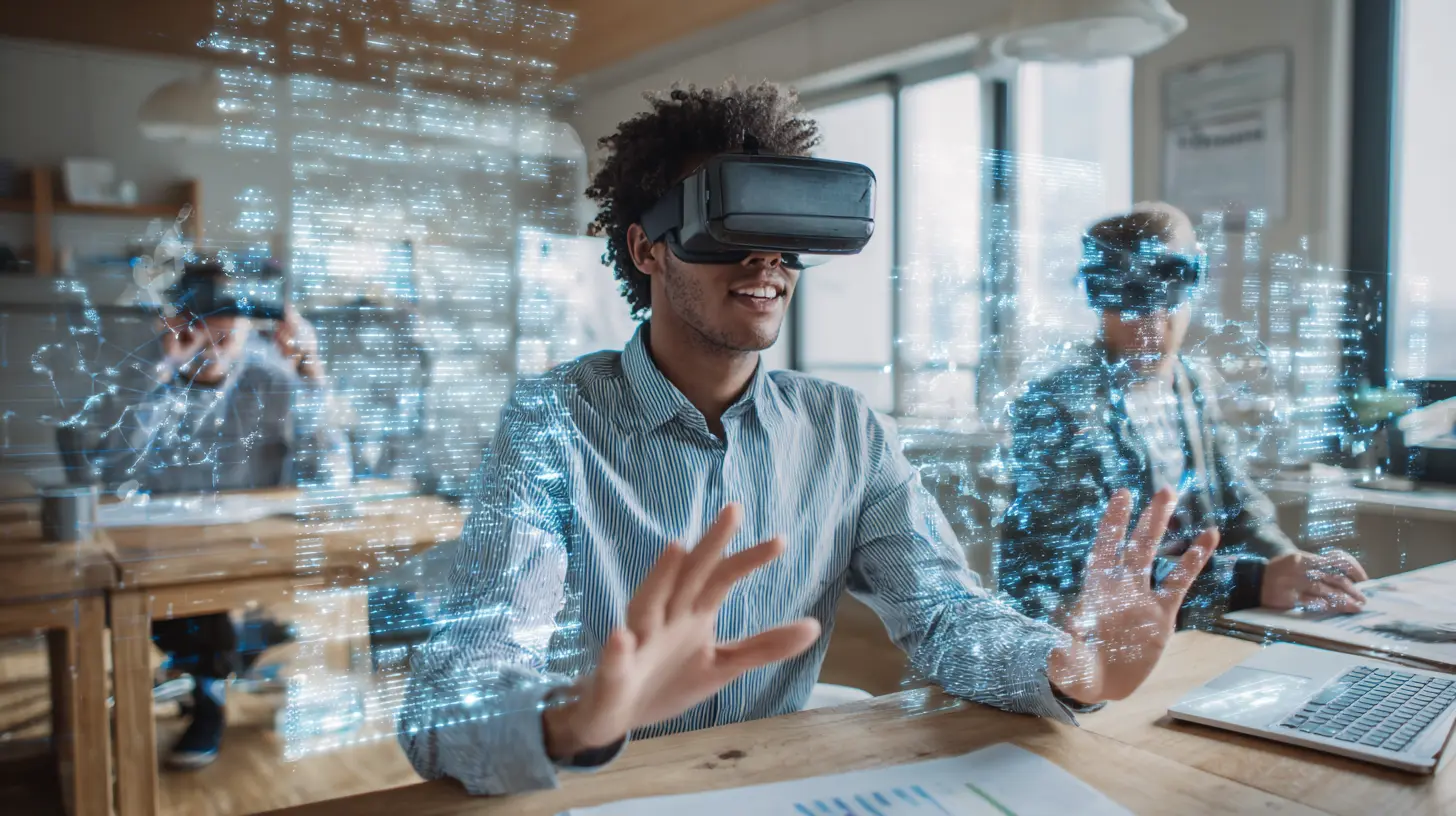
First, let’s bury the old paradigm. The video call is a flat, restrictive medium. It’s like trying to conduct a symphony by only reading sheet music—you get the notes, but you miss the resonance, the spatial harmony, the shared energy of the room. By 2027, VR meetings will obliterate the grid. You won’t watch a meeting; you will inhabit it.Imagine this: instead of clicking a Zoom link, you slip on a pair of lightweight, stylish glasses—more like everyday eyewear than a gaming headset. With a voice command or a simple gesture, your physical home office dissolves. Suddenly, you’re standing in a sun-drenched, virtual conference room with floor-to-ceiling windows overlooking a futuristic cityscape. Your colleagues from London, Tokyo, and São Paulo are already there, not as floating heads, but as full-bodied avatars, leaning against a virtual whiteboard, chatting by the digital water cooler. The sense of “being there” is no longer a metaphor; it’s a physiological fact. Your brain registers the shared space, the spatial audio (where a voice comes from your left if the person is standing to your left), and the non-verbal cues we’ve been starving for. The meeting hasn’t started, and already, the collaboration has begun.
The Avatar Evolution: From Cartoons to Digital Twins
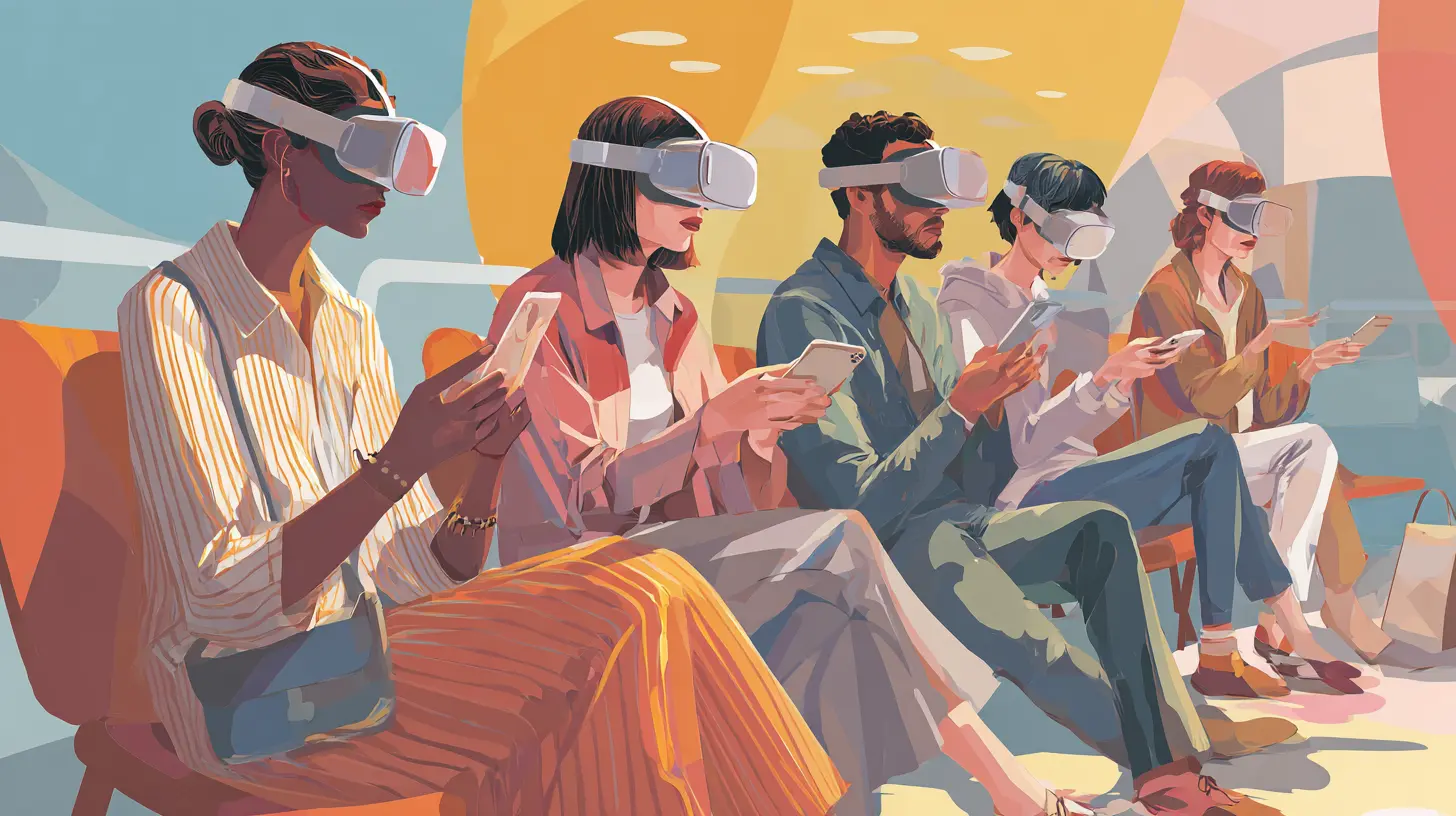
Ah, avatars. Today, they often range from legless cartoonish figures to unsettlingly smooth meta-humans. By 2027, this will be one of the most dramatic leaps. We’re moving towards hyper-realistic digital twins and expressive, purpose-built proxies.For high-stakes negotiations or client presentations, you might use a photorealistic digital twin. Advanced scanning via your device’s sensors will capture your precise likeness, expressions, and even the fabric drape of your clothing in real-time. Your smirk, your thoughtful eyebrow raise, the way you gesture with your hands—all transmitted faithfully. It’s the ultimate in professional presence, bridging the uncanny valley to create genuine trust and connection.
But what about days you’re working from your couch? Enter the expressive proxy avatar. Think of it as your professional emoji—a stylized, non-photorealistic representation that is uniquely you. It will be tied to your real-time biometrics and expression data. While it won’t be a perfect copy of your face, it will act like you. If you smile, your avatar smiles with your characteristic warmth. If you’re confused, it shows a subtle, quizzical look. These avatars will prioritize emotional fidelity over physical accuracy, giving us a comfortable layer of abstraction without sacrificing the human touch. The choice between “twin” and “proxy” will be as simple as choosing between a business suit and a smart-casual polo.
The Tools of Creation: Interacting with Data in 3D Space
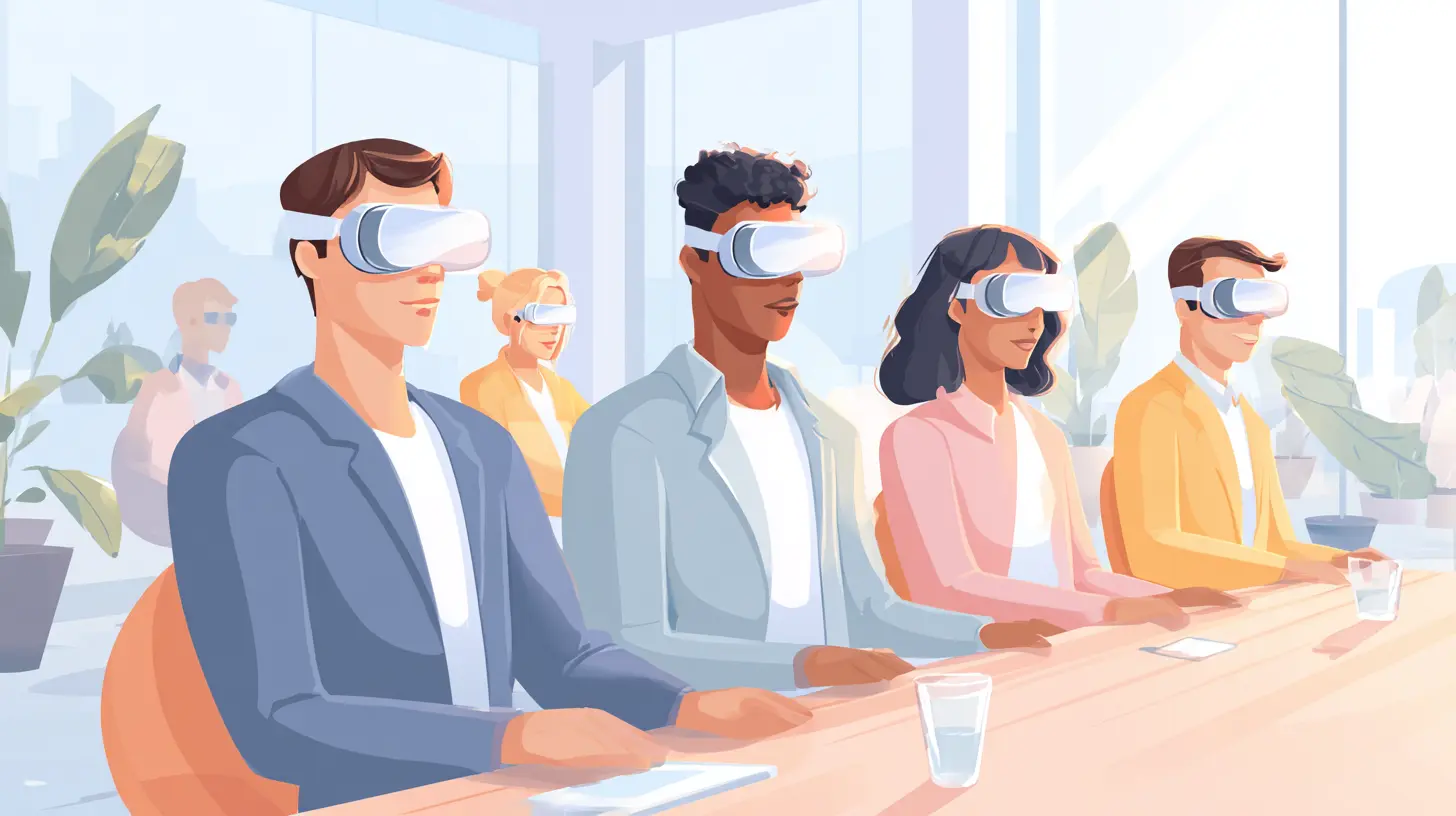
This is where the magic truly happens. Our current meetings are passive for the most part—we share screens, we point at slides. The VR meeting of 2027 is a dynamic workshop. The virtual environment itself is your collaborative canvas.Spatial Whiteboards & Holographic Models: That whiteboard on the wall? You can walk up to it, grab a virtual marker (or just use your finger), and sketch a 3D diagram. A colleague from another continent can reach out and rotate your sketch, adding a component from their perspective. Need to present a new product design? Instead of a 2D render, summon a full-size, interactive holographic model into the center of the room. The engineering team can walk around it, peer inside its components, and disassemble it with a wave of their hand to discuss the internals. Data visualization will become an immersive experience. A complex dataset won’t be a chart on a screen; it will be a beautiful, interactive sculpture in the room that you can literally dive into, pulling out streams of relevant information.
Ambient Intelligence & The AI Concierge: Meetings will be powered by a silent, helpful AI concierge. Struggling to remember a metric from last quarter? Simply ask the room, “Show me Q3 sales projections,” and the relevant 3D graph materializes beside you. This AI will also work in real-time, providing live transcription pinned to each speaker, instant translation that preserves the speaker’s original voice tone (eliminating language barriers entirely), and even smart summarization of action items as the discussion flows. It’s like having the world’s most organized, omniscient assistant baked into the fabric of reality itself.
The Environments: Context is King
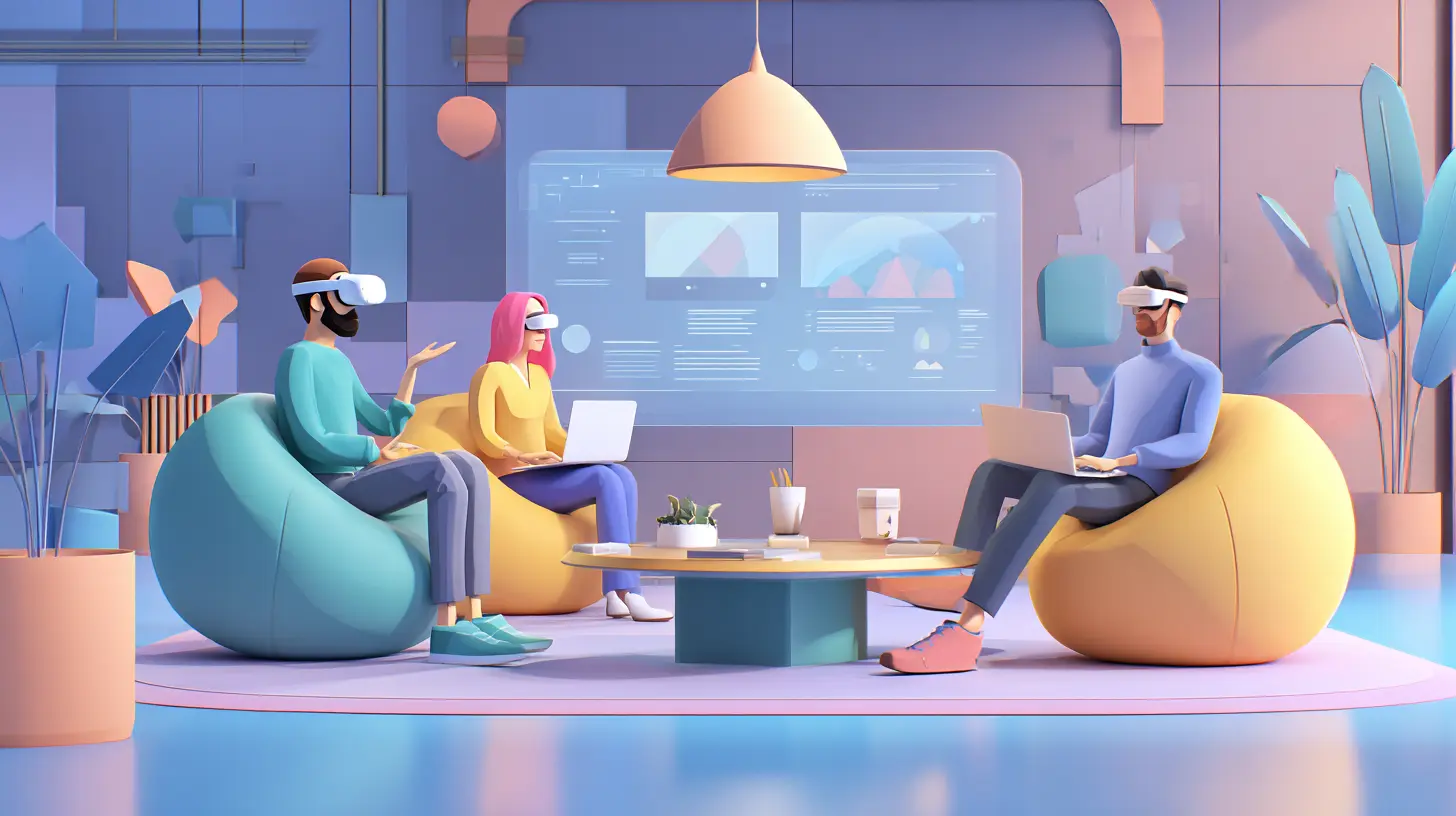
The sterile, generic “cyber-boardroom” will be a relic. In 2027, the environment will be chosen to fit the meeting’s purpose, dramatically influencing its tone and outcome.* The Focus Lounge: For deep work sessions, you might meet in a minimalist, sound-dampened virtual space with individual focus pods and calming, algorithmic scenery.
* The Creative Sandbox: Brainstorming a marketing campaign? Transport the team to a vibrant, surrealist landscape with floating idea orbs and dynamic color palettes that shift with the group’s energy.
The Site Walkthrough: Construction or event planning? Meet on-site* in a perfect 1:1 digital twin of the physical location, months before ground is broken, to identify issues and walk through plans.
* The Informal Hub: For team bonding or casual syncs, you might gather in a virtual replica of a favorite Parisian café or on a peaceful beach at sunset. The social chatter that happens “before the meeting starts” will return, rebuilding the connective tissue of remote teams.
The Hardware: Invisible, Intuitive, and Always-On
None of this works if the hardware is a burden. The bulky, wired, battery-hungry headsets of today will seem as archaic as brick phones. The gateway to these spaces in 2027 will be lightweight mixed reality (MR) glasses. They’ll be something you can wear all day, seamlessly blending your real-world desk and coffee mug with persistent virtual screens, colleague avatars, and holographic tools.Interaction will be multimodal and intuitive. Eye-tracking will let you select items just by looking. Advanced hand-tracking and haptic feedback gloves will allow you to feel the texture of a virtual fabric sample or the click of a digital button. Neural interface bands (non-invasive wearables) might read basic intent signals, letting you open a file or mute your mic with a thought, reducing cognitive load. The technology fades into the background, putting the human connection and creative work front and center.
The Human Impact: Rebuilding Connection and Rethinking “Presence”
So, what does all this mean for us? The implications are profound.First, we’ll see a dramatic reduction in “Zoom fatigue.” The brain exhausts itself trying to parse non-verbal cues from a flat, grid-based layout. Immersive VR meetings, with their natural spatial cues and full-body communication, align with how our brains are wired to interact. Meetings could feel less draining, even energizing.
Second, it democratizes presence. The person who speaks quietly or is less likely to interrupt in a video call can have equal footing in a VR space. Their avatar can be seen preparing to speak, they can work collaboratively on a shared object, and their contributions exist physically in the environment. Meritocracy in communication gets a boost.
Finally, it forces us to redefine “presence.” Physical presence will no longer be the gold standard for collaboration. Emotional and intellectual presence—the feeling of being truly engaged, heard, and able to contribute—will become the metric that matters. And VR, perhaps ironically, is the technology that might deliver it most authentically.
The Challenges on the Horizon
The path to 2027 isn’t without its bumps. We’ll grapple with serious questions: Digital etiquette in immersive spaces (how close is too close for an avatar?), accessibility for those with disabilities or VR-induced motion sickness, data privacy in environments that scan our expressions and movements, and the potential for a new digital divide between companies that adopt this and those that don’t. The virtual “office wear” for our avatars might even become a thing, leading to questions about identity and representation we’re only beginning to ask.
Conclusion: Not Just a Meeting, But an Experience
By 2027, the question won’t be, “Should we have a VR meeting?” It will be, “What kind of VR meeting should we have?” The choice of environment, avatar, and tools will be as strategic as crafting an agenda.We’re moving from information transmission to shared experience creation. The virtual reality meeting will cease to be a substitute for in-person interaction and will become a compelling, rich, and uniquely powerful medium in its own right. It will break down the flatland of our screens and build a new dimension for human collaboration—one where ideas have shape, data has form, and connection feels real, even when our physical bodies are miles apart. The future of work isn’t on a screen; it’s all around us, waiting to be built, together.
all images in this post were generated using AI tools
Category:
Virtual MeetingsAuthor:

Pierre McCord
Discussion
rate this article
2 comments
Monica Mullen
By 2027, virtual reality meetings may redefine presence, fostering deeper connections beyond physical boundaries.
April 26, 2026 at 4:22 AM
Pierre McCord
Absolutely, it's exciting to think about how VR can enhance our interactions and create more meaningful connections.
Oriel Chapman
This article offers an intriguing glimpse into the future of virtual reality meetings. The advancements in immersive tech and AI integration could revolutionize collaboration, making remote interactions feel more personal and engaging. I’m particularly excited about the potential for enhanced creativity and productivity in virtual environments. A compelling read!
April 18, 2026 at 3:01 PM
Pierre McCord
Thank you for your thoughts! I'm glad you found the article engaging. It's exciting to imagine how these advancements will shape our future interactions.