China Prioritizes Technological Self-Reliance Amid Rising Global Tensions
March 5, 2026 - 08:50
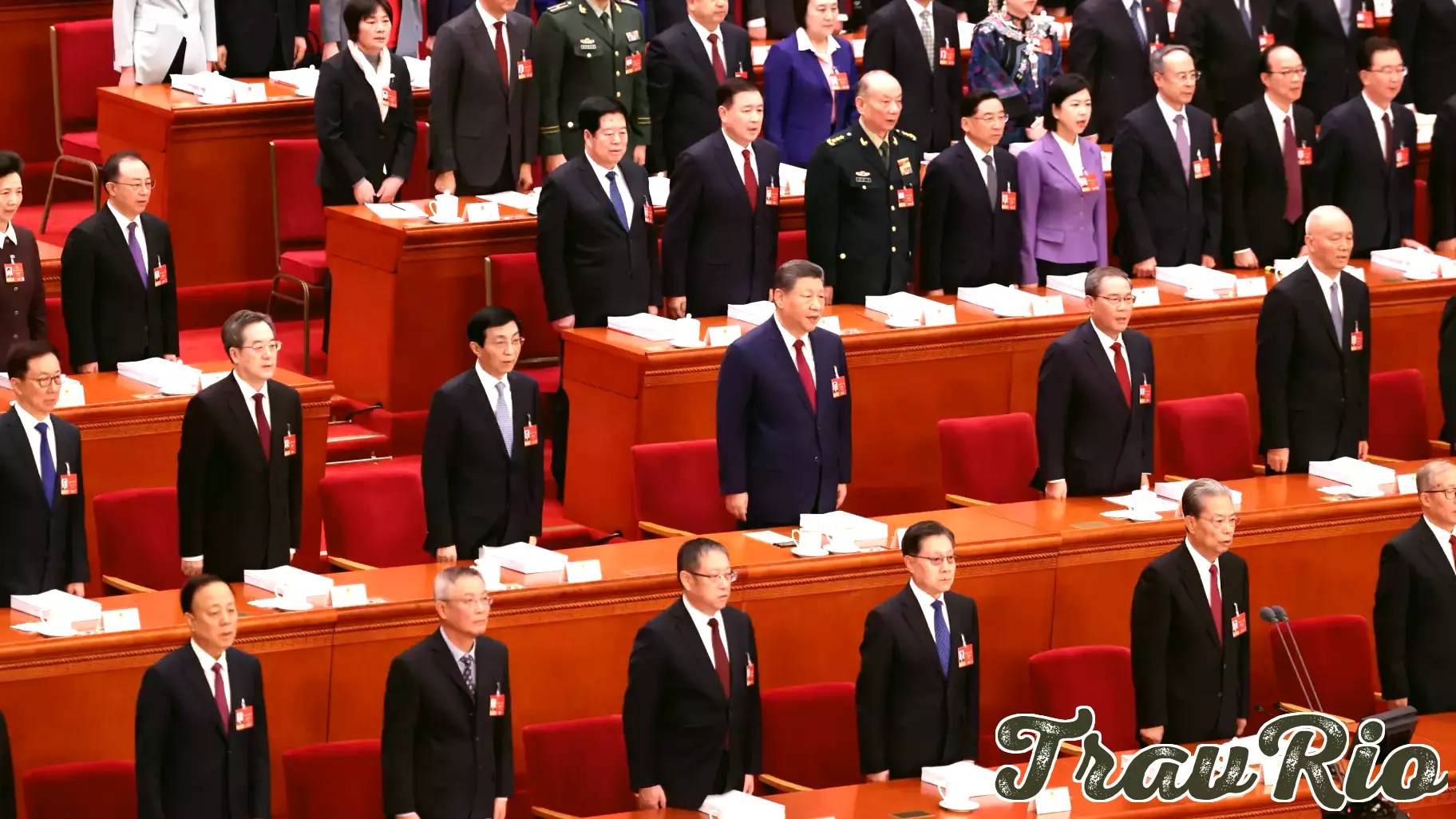
In a significant move to bolster its strategic independence, China has unveiled a dual-pronged initiative focusing on enhanced defense capabilities and technological sovereignty. The announcement includes a substantial 7 percent rise in military expenditure, coupled with a detailed five-year plan explicitly designed to diminish the nation's military and industrial dependence on Western technology.
This strategic pivot comes during a period of heightened geopolitical friction and economic uncertainty. Analysts interpret these measures as a direct response to longstanding pressure from the United States, particularly in the realm of advanced semiconductors and critical software. The goal is to build a resilient, domestic innovation ecosystem that can withstand external sanctions and supply chain disruptions.
The new five-year blueprint will channel significant state investment into research and development for core technologies. Emphasis is placed on achieving breakthroughs in areas like artificial intelligence, quantum computing, and advanced manufacturing. Simultaneously, the increased military budget signals a commitment to modernizing the armed forces with homegrown, cutting-edge systems.
This shift underscores a broader national strategy of "dual circulation," which aims to strengthen the domestic economy while carefully managing foreign engagement. By reducing critical vulnerabilities, China seeks to secure its long-term development and strategic autonomy, positioning itself for what it perceives as an era of intensified great-power competition. The success of this technological decoupling effort will have profound implications for global trade dynamics and the balance of technological power.
MORE NEWS

July 18, 2026 - 05:58
Cognizant Technology Solutions (CTSH) Expands AI And Cyber Push, Is The 37% Undervaluation Real?Cognizant Technology Solutions is making a bigger bet on artificial intelligence and cybersecurity. The company recently joined OpenAI`s Daybreak Cyber Partner Program, expanded its Gemini...

July 17, 2026 - 18:59
Roundtable Secures Enterprise Technology Platform Partnership with Mario Nawfal, the World’s #1 Most-Viewed JournalistLONDON, July 17, 2026 (GLOBE NEWSWIRE) -- Roundtable, the AI-powered and DeFi-enabled enterprise media platform listed on Nasdaq under the ticker RTB, has announced a major technology partnership...

July 17, 2026 - 11:03
Top Veterans Affairs official says "latest technology" in health care records coming to DanvilleDeputy Secretary of Veterans Affairs Paul R. Lawrence announced that Danville will be the next site to receive the department`s new Federal Electronic Health Record system, with a planned rollout...

July 16, 2026 - 19:50
Why Did Micron Technology Stock Fall 8%?If you checked on your Micron Technology holdings on Wednesday, you might have done a double-take. After a strong prior session, the stock returned negative 8 percent while the broader S&P 500...