EU Set to Investigate WhatsApp's AI Feature Implementation
December 4, 2025 - 17:47

The European Union is gearing up to launch an investigation into the integration of artificial intelligence features within WhatsApp, as reported by various sources. This inquiry is part of a broader effort to scrutinize the practices of major technology companies operating within the EU. The investigation will focus on how Meta Platforms Inc. has developed and implemented these AI functionalities in their popular messaging service.
The move underscores the EU's ongoing commitment to regulating Big Tech and ensuring that their innovations do not undermine user privacy or competition in the digital market. As the digital landscape continues to evolve, regulators are increasingly concerned about the implications of AI technology on consumer rights and data security.
This investigation could set important precedents for how AI features are deployed in communication platforms, potentially influencing policies not only in Europe but also globally. The outcome may lead to stricter regulations for tech companies and reshape the way they operate in the region.
MORE NEWS

July 17, 2026 - 18:59
Roundtable Secures Enterprise Technology Platform Partnership with Mario Nawfal, the World’s #1 Most-Viewed JournalistLONDON, July 17, 2026 (GLOBE NEWSWIRE) -- Roundtable, the AI-powered and DeFi-enabled enterprise media platform listed on Nasdaq under the ticker RTB, has announced a major technology partnership...
July 17, 2026 - 11:03
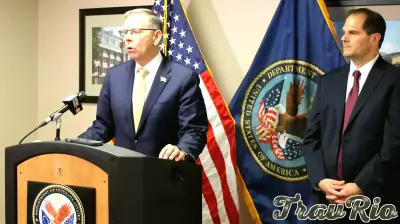
Top Veterans Affairs official says "latest technology" in health care records coming to DanvilleDeputy Secretary of Veterans Affairs Paul R. Lawrence announced that Danville will be the next site to receive the department`s new Federal Electronic Health Record system, with a planned rollout...

July 16, 2026 - 19:50
Why Did Micron Technology Stock Fall 8%?If you checked on your Micron Technology holdings on Wednesday, you might have done a double-take. After a strong prior session, the stock returned negative 8 percent while the broader S&P 500...

July 16, 2026 - 01:44
Trump will address Pa. defense technology gathering as Iran war has reduced U.S. weapon stocksWASHINGTON - President Donald Trump is set to headline a defense technology summit at the U.S. Army War College in Pennsylvania on Wednesday, where he plans to highlight major new investments in...