UToledo Physicists Eye Emerging Technology for Solar Cells in Outer Space
January 27, 2026 - 12:49
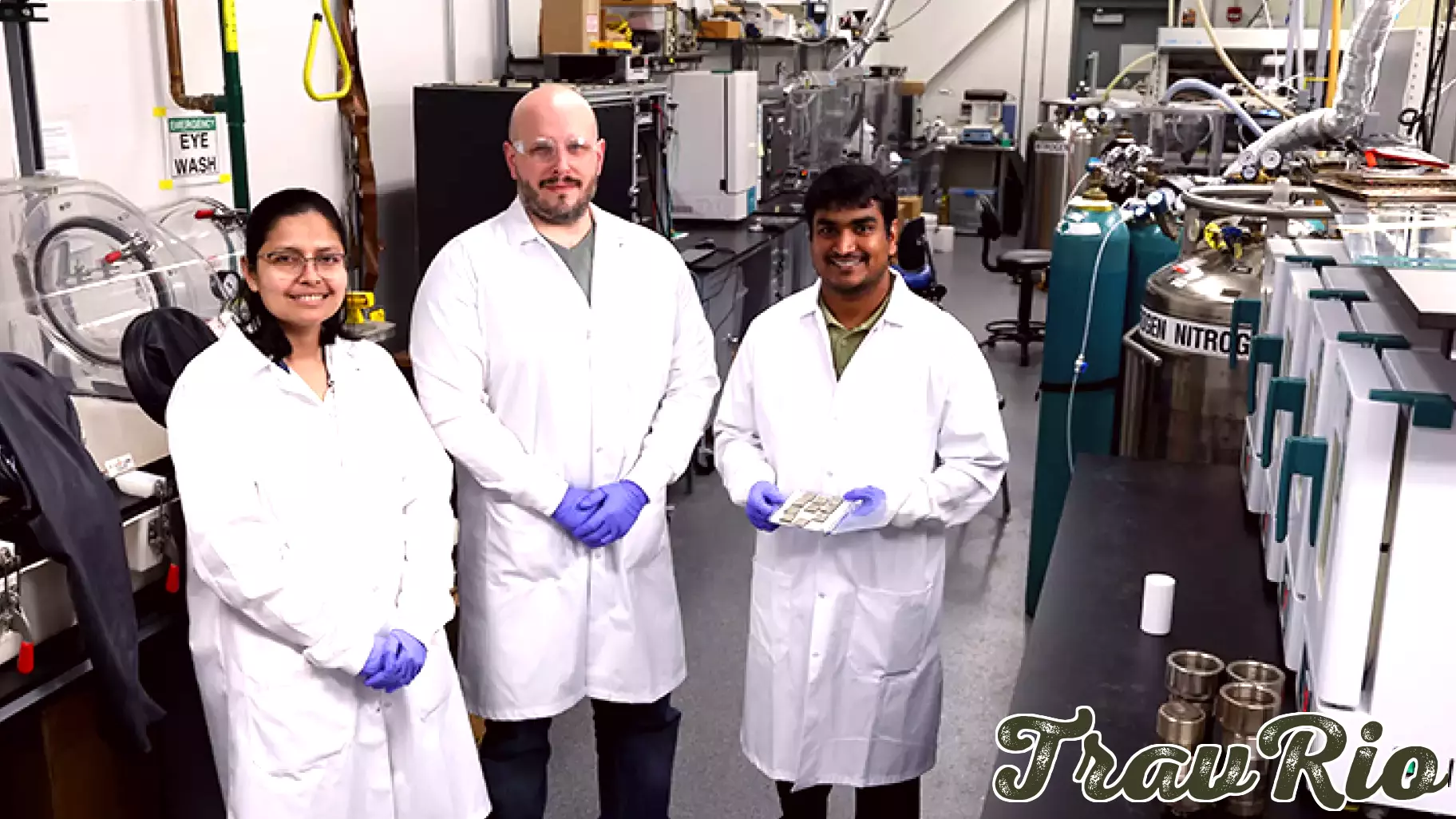
A team of physicists has published groundbreaking research examining the resilience of next-generation solar cells against the harsh radiation environment of outer space. The study, led by two doctoral students and a post-doctoral researcher, focuses on the performance of antimony chalcogenide-based solar cells when exposed to intense particle radiation.
This emerging thin-film technology is considered a promising candidate for future space missions due to its potential for high efficiency and relatively low production costs. However, a critical question for any material destined for space is its ability to withstand constant bombardment by protons and other high-energy particles, which can rapidly degrade conventional solar panels.
The research, detailed in the peer-reviewed journal Solar RRL, subjected these novel cells to controlled radiation tests to simulate conditions in orbit. The findings provide crucial data on how the material's power conversion efficiency and structural integrity hold up under such stress. Understanding this radiation tolerance is a vital step toward developing more durable, longer-lasting, and cost-effective power systems for satellites and deep-space probes.
This work represents a significant contribution to the field of space photovoltaics, moving promising laboratory technology closer to practical application. By identifying the strengths and potential weaknesses of antimony chalcogenide cells in a space-like environment, the research paves the way for further engineering and optimization, ultimately supporting more ambitious and sustained exploration beyond Earth.
MORE NEWS
July 27, 2026 - 10:04
Intel and Lens Technology collaborate on advanced AI chip packagingIntel has announced a new collaboration with Lens Technology, a Chinese glass processing firm, to develop advanced packaging solutions for artificial intelligence chips. The partnership focuses on...

July 26, 2026 - 21:36
Chrysler Debuted 'Auto-Pilot' Technology Way Back In 1958Tesla`s Autopilot often steals headlines as a modern marvel, but Chrysler quietly introduced its own version of the technology more than six decades ago. In 1958, the automaker offered an optional ...

July 26, 2026 - 01:46
How AI is Shaping Human Adaptation to TechnologyAI isn`t just transforming our surroundings; it is fundamentally altering the way we adapt to technology, according to innovation theorist John Nosta. As artificial intelligence becomes more...

July 25, 2026 - 02:33
New AI Integrations to Be Featured at IBC2026At the upcoming IBC2026 event, an innovative platform will take center stage, showcasing its latest advancements in media technology. Attendees can expect to see new artificial intelligence-powered...