Augmented Reality: The New Frontier for Tech Demos at Events
1 July 2026
Technology never stops evolving, and neither does the way we experience it. If you've attended a tech event recently, you might have noticed a shift in how companies showcase their products. Gone are the days of static booths and dull PowerPoint presentations. Instead, augmented reality (AR) is taking center stage, turning tech demos into immersive, interactive experiences.
But why is AR becoming the go-to choice for tech demos? And how does it completely change the game for companies and audiences alike? Let's dive in. 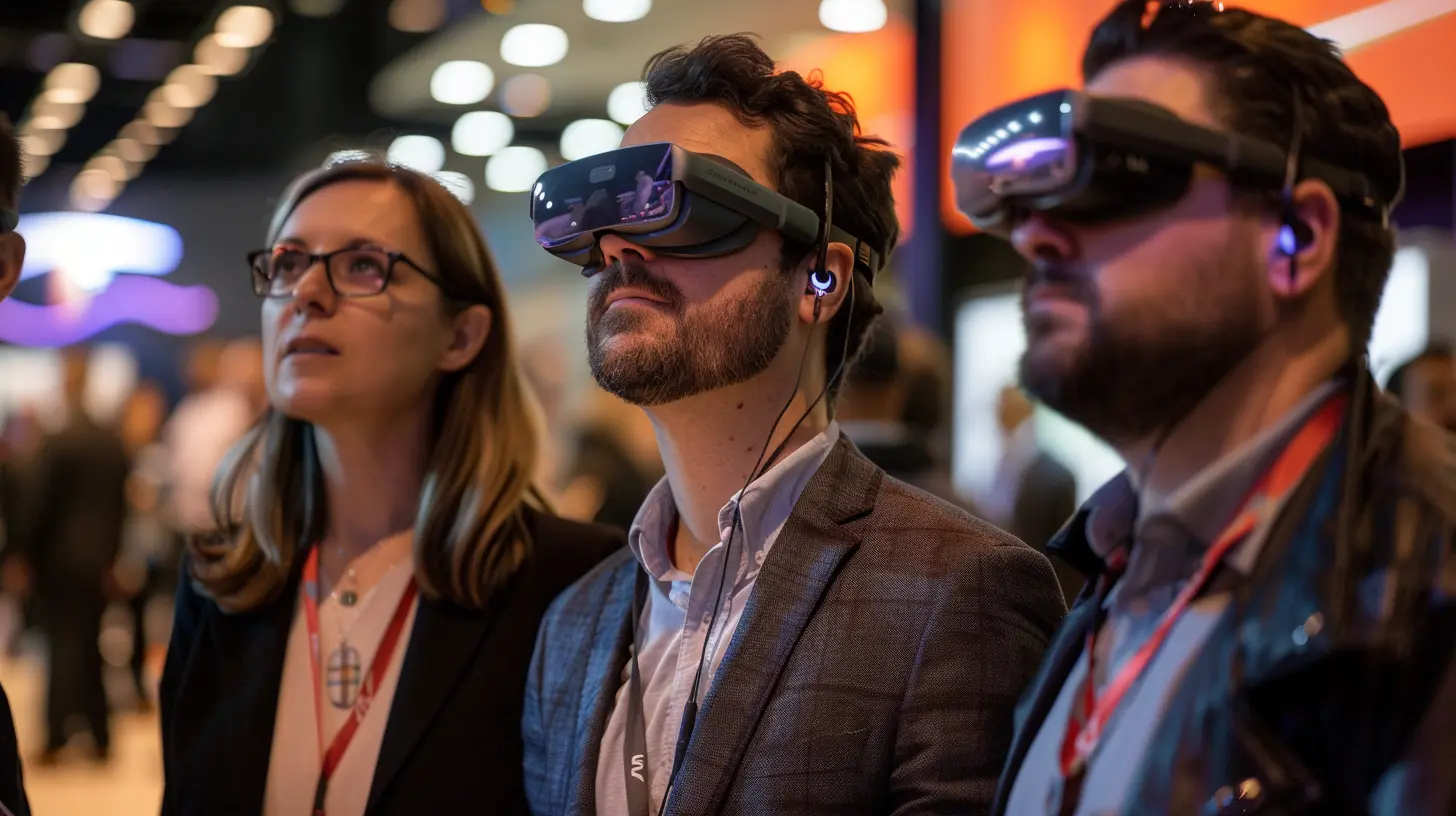
What Is Augmented Reality, and Why Should You Care?
First things first—what exactly is augmented reality? Simply put, AR overlays digital elements onto the real world through a device like a smartphone, tablet, or AR headset. Unlike virtual reality (VR), which transports you to a completely different environment, AR enhances your surroundings by adding interactive elements.For example, imagine pointing your phone at a car at an event and instantly seeing a 3D model of its engine working in real time. Or holding up a tablet to see a software’s interface projected above a blank screen, letting you "click" through its features without ever installing it.
Sounds futuristic? Well, the future is here, and AR is changing the way tech demos are presented at events across the globe. 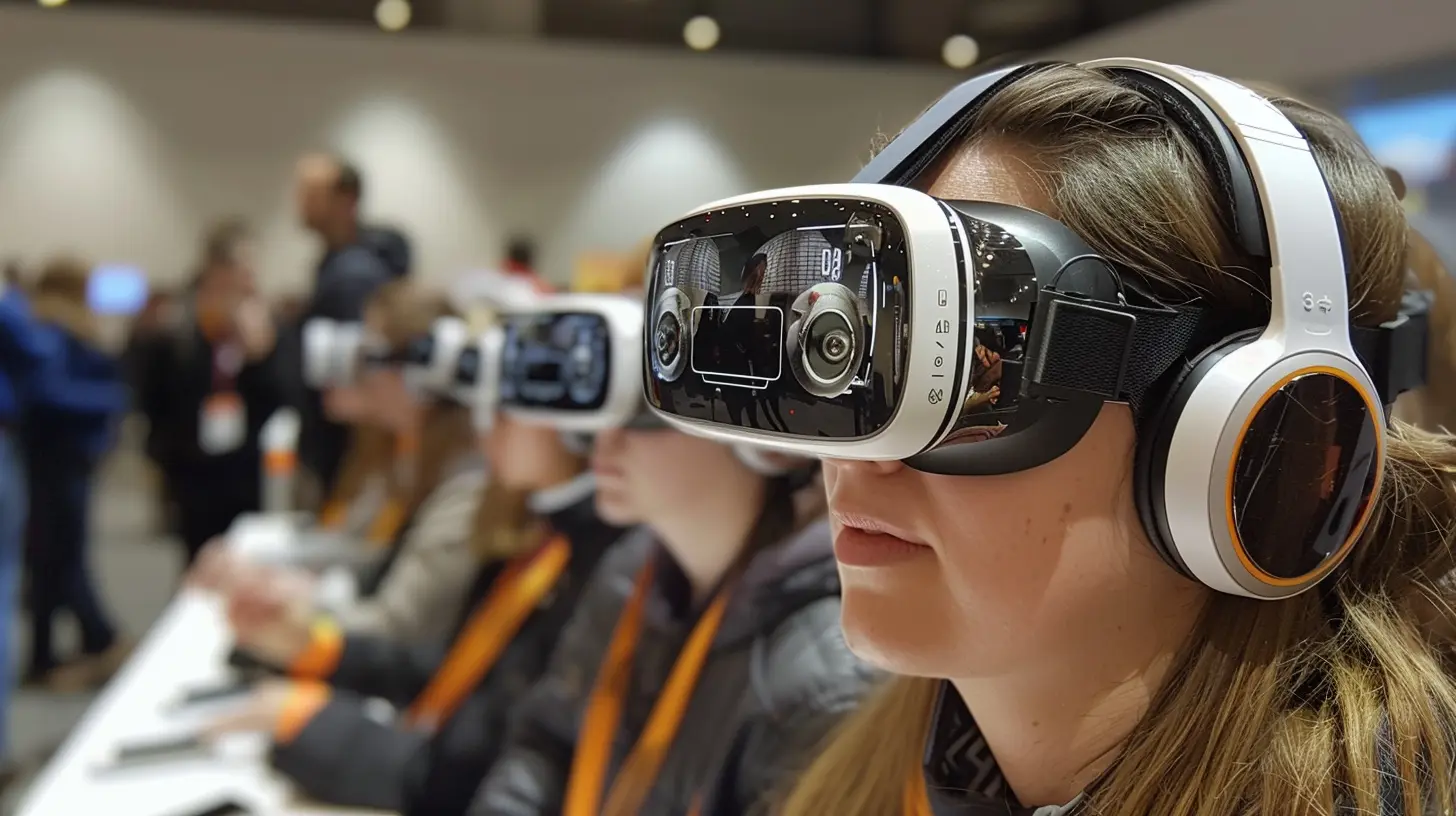
How AR Is Revolutionizing Tech Demos at Events
1. Captivating and Engaging Audiences
Let's be honest—traditional tech demos can be a bit boring. People stand around, listening to a company rep talk about a product while flipping through slides. But with AR, it's a whole new ballgame.AR turns passive observers into active participants. Instead of just watching a demo, attendees can interact with the product in a way that feels natural and intuitive. This hands-on approach not only makes the experience more engaging but also helps attendees retain information better.
Think about it—would you rather read about how a new phone's camera works or actually "test" it in an augmented reality space? Exactly.
2. Making Complex Tech Easy to Understand
Tech products, especially software or complex hardware, can be tough to explain in a short demo. But AR simplifies things by visualizing concepts in a way that makes sense.For example, if a company is showcasing a complicated piece of AI-driven machinery, AR can break it down step by step. Users can see how different components function together, making it easier to grasp intricate details without feeling overwhelmed.
It’s like turning an instruction manual into an interactive, 3D experience that makes learning enjoyable instead of tedious.
3. Showcasing Products Without Physical Limitations
Imagine you're at a tech event, and a company wants to showcase its new industrial-sized 3D printer. The problem? The printer is too big to bring to the venue. In a traditional setting, they might resort to showing pictures or playing videos.But with AR, they can bring the product to life virtually! Attendees can see a full-scale 3D model of the printer right in front of them, walk around it, and even interact with its features—all without it actually being there.
This is a game-changer for hardware companies, especially those dealing with large or complex products that are impractical to transport to events.
4. Offering Personalized and Interactive Demos
Every attendee at an event has different interests and levels of knowledge. Some may be industry experts wanting in-depth insights, while others might be first-time users curious about the basics.AR allows for customized experiences based on the user’s preference. Instead of a one-size-fits-all demo, an AR-powered tech demo can let users select what they want to explore.
For instance, someone new to a software might want a guided walkthrough, while an advanced user might prefer to dive straight into specific functionalities. AR makes this level of personalization seamless.
5. Creating a Buzz and Encouraging Social Sharing
Let’s face it—people love cool tech experiences, and when they see something impressive, they want to share it. AR tech demos at events naturally encourage attendees to take pictures or record videos, amplifying a brand's reach beyond the event itself.An AR-driven demo isn’t just a presentation; it’s an experience that people will want to talk about. And in today’s digital world, social media buzz can be a powerful marketing tool. 
Real-World Examples: Companies Leveraging AR at Events
Many forward-thinking companies have already jumped on the AR bandwagon for their tech demos. Let’s look at a few examples:1. Microsoft’s HoloLens at Ignite Events
Microsoft has been using AR in its tech demos for years, particularly with its HoloLens mixed reality headset. At its Ignite events, Microsoft showcases complex cloud-based solutions using AR, allowing attendees to visualize data, interact with virtual dashboards, and even collaborate remotely through holographic interfaces.2. Tesla’s Virtual Car Demos
Tesla has experimented with AR to give potential buyers a closer look at their vehicles without needing a showroom. At tech expos, attendees can use AR to explore the interiors of Tesla cars, tweak configurations, and even see how the autopilot system works—all through their smartphones or AR glasses.3. IKEA’s AR Shopping Experience
While not a tech company in the traditional sense, IKEA has leveraged AR exceptionally well with its IKEA Place app. At events, the company demonstrates how customers can virtually place furniture in their homes using AR, showing just how powerful the tech can be in real-world applications.These examples prove that AR isn’t just a gimmick—it’s a powerful tool shaping the future of tech demos. 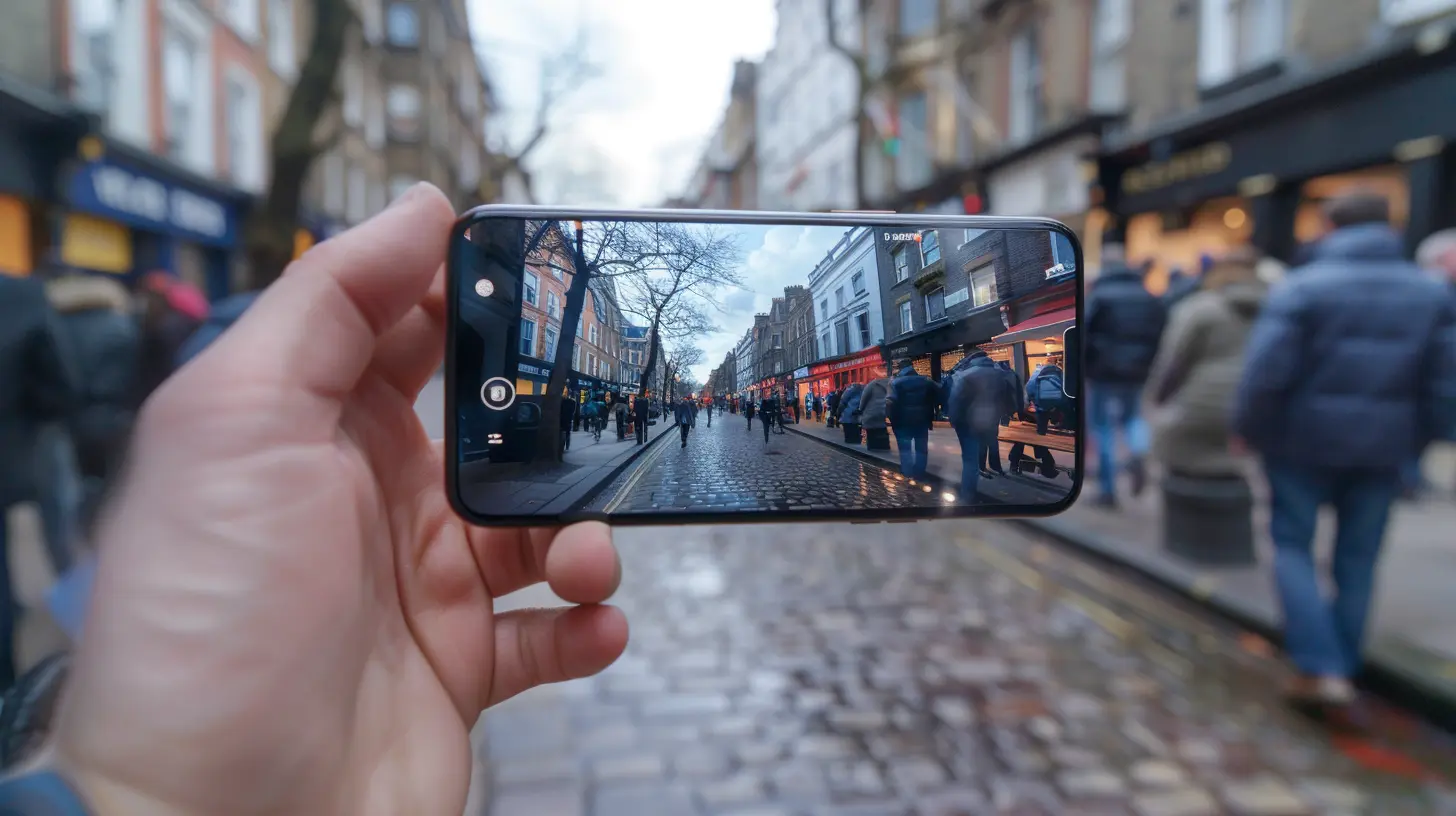
The Future of AR in Tech Events
We’re just scratching the surface of what AR can do for tech demos. As the technology becomes more advanced, we can expect even more mind-blowing applications.- Wider Use of AR Glasses: As AR hardware improves, we’ll see fewer smartphones and more lightweight AR glasses that make interactions even more seamless.
- AI-Powered AR Assistants: Imagine an AI-driven AR assistant guiding you through a product demo, answering your questions in real-time.
- Full Integration with the Metaverse: Events might soon blend physical and digital spaces, where attendees can interact with AR tech demos even if they’re attending virtually.
The possibilities are limitless, and as AR continues to evolve, it will undoubtedly become a staple in tech events worldwide.
Conclusion: The Future of Tech Demos is Augmented
Augmented reality isn’t just a flashy trend—it’s a transformative tool that’s revolutionizing how tech demos are conducted at events. By making experiences more engaging, interactive, and accessible, AR is helping companies captivate audiences like never before.If you're in the tech industry and haven't explored AR for your demos yet, now might be the time. Because one thing is certain—AR isn’t the future of tech demos. It’s already here, and it's changing the game.
all images in this post were generated using AI tools
Category:
Tech EventsAuthor:

Pierre McCord
Discussion
rate this article
1 comments
Ximena Bryant
Augmented reality is transforming tech demos, creating immersive experiences that captivate audiences. Embrace this exciting frontier and watch your events come to life!
July 11, 2026 at 2:57 AM
Pierre McCord
Absolutely! Augmented reality is indeed a game changer for tech demos. It adds depth and engagement that traditional methods simply can't match. Excited to see where this takes future events!