How Tech Events Are Shaping the Future of Smart Cities
16 July 2026
Smart cities are no longer just a futuristic dream—they’re becoming a reality, thanks to rapid technological advancements. But have you ever wondered who’s behind this transformation? The answer lies in tech events, where the brightest minds, industry leaders, and innovative startups come together to shape the cities of tomorrow.
From AI-driven traffic systems to sustainable energy solutions, these events act as breeding grounds for revolutionary ideas that redefine urban life. Let’s dive into how tech events are influencing smart cities and why they matter more than ever. 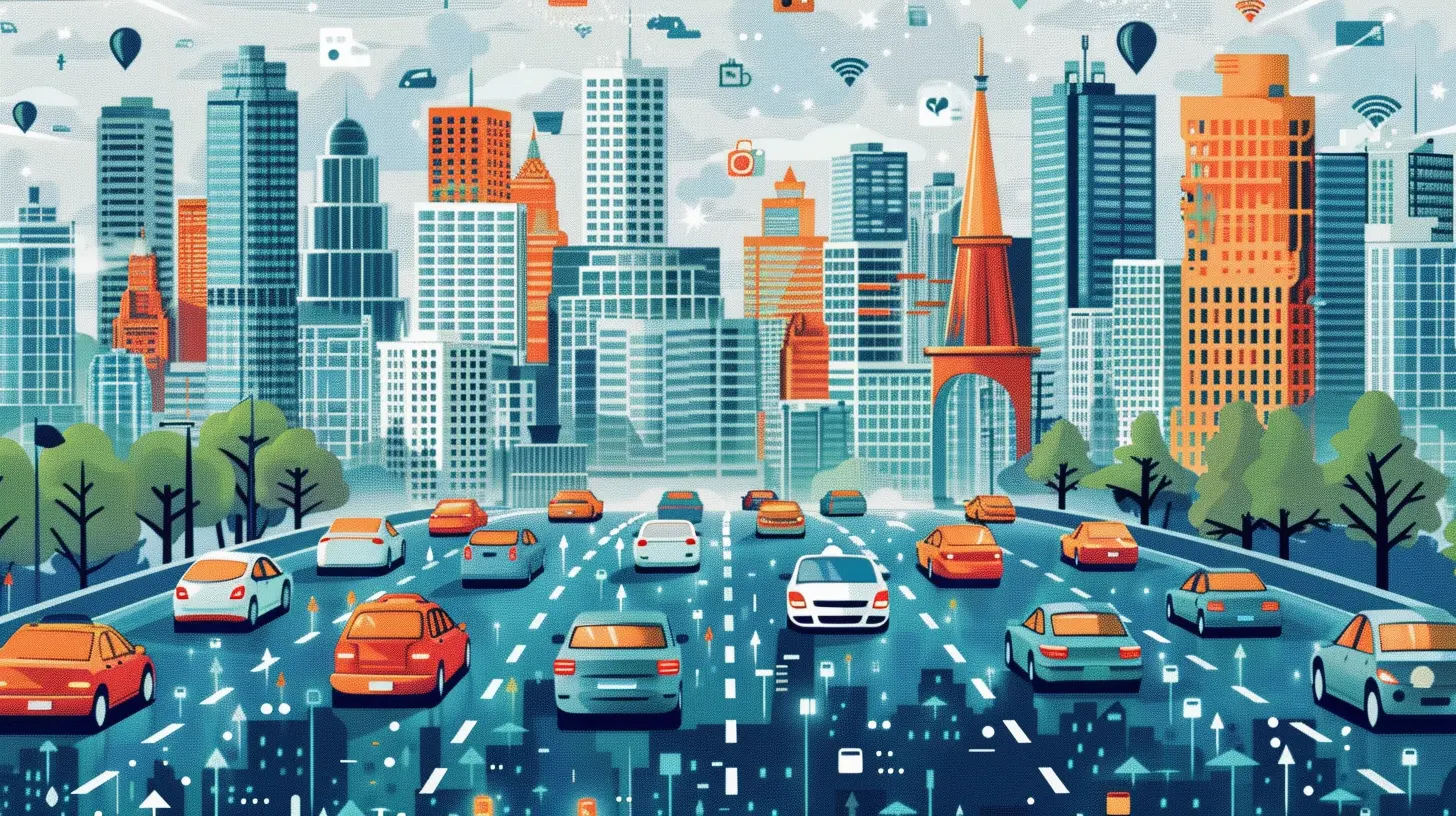
The Role of Tech Events in Smart City Development
Tech events aren’t just flashy expos filled with the latest gadgets. They're platforms for collaboration, innovation, and knowledge sharing. Governments, tech companies, and visionaries use these gatherings to discuss challenges, showcase solutions, and even draft policies that guide the growth of smart cities.Bringing Together Industry Experts and Innovators
Tech events serve as melting pots of innovation, where startups, corporations, and policymakers engage in meaningful discussions. Think about events like CES (Consumer Electronics Show) or Smart City Expo World Congress—these conferences showcase cutting-edge advancements in IoT, AI, and automation, setting the stage for the future of urban living.Such gatherings foster networking opportunities, where businesses team up with governments to implement practical solutions. Many smart city projects originate from discussions at these events, forming the foundation for cleaner, safer, and more efficient urban environments.
Showcasing Game-Changing Technologies
Without global tech events, many groundbreaking innovations might never see the light of day. These exhibitions allow companies to present new technologies that can redefine urban infrastructure. From 5G-powered smart grids to autonomous public transport, these innovations are transforming how cities operate.For example, CityTech events often highlight smart mobility solutions, addressing urban congestion through AI-driven traffic management systems. Meanwhile, sustainability summits push for greener alternatives, such as smart water management and eco-friendly building designs. 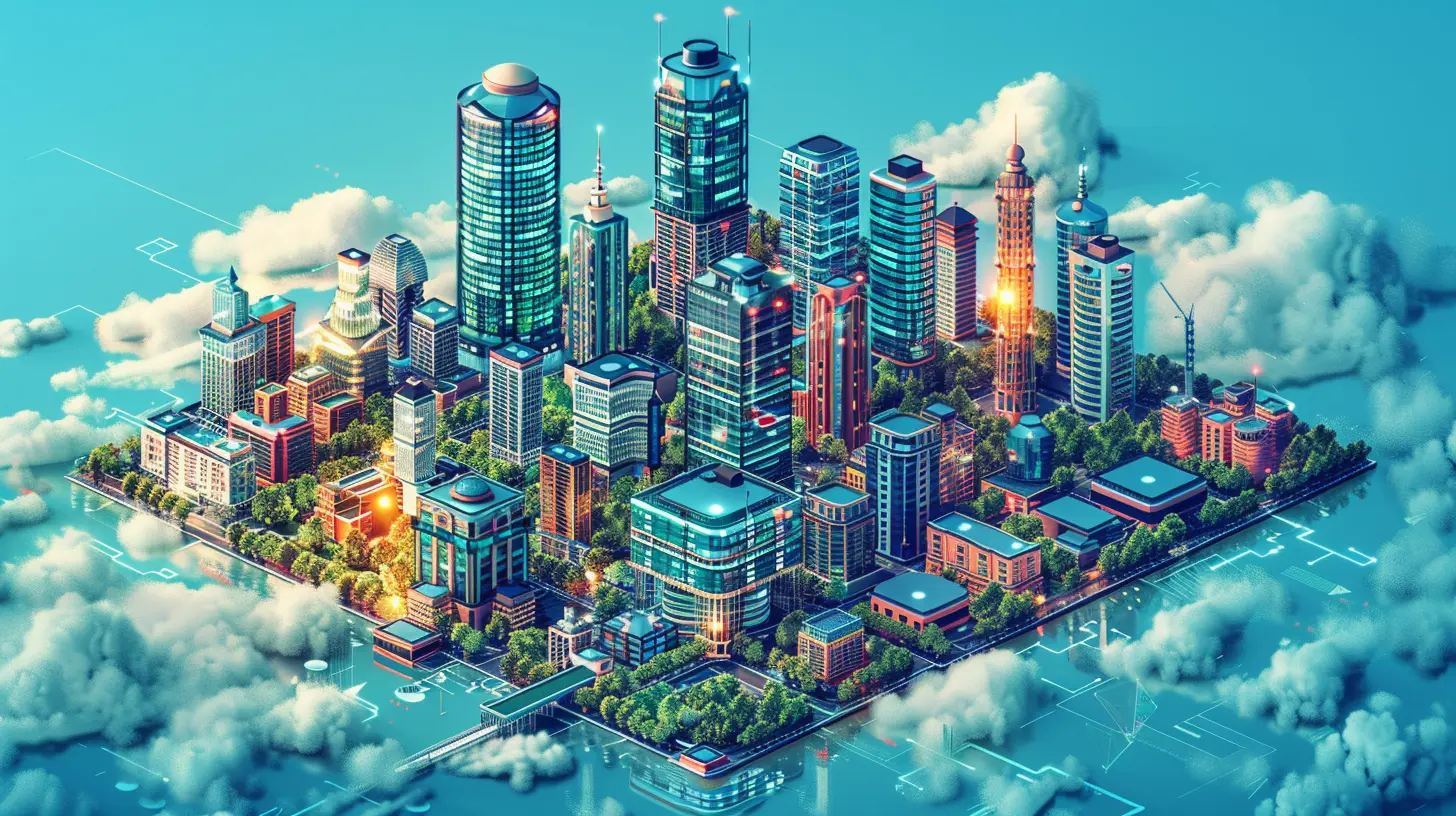
Key Technologies Driving Smart City Innovations
Tech events help accelerate the adoption of several key technologies that are making cities smarter. Let's look at some of these advancements:1. Internet of Things (IoT)
IoT is the backbone of smart cities. If you've ever seen smart streetlights adjusting to real-time traffic or garbage bins notifying waste collectors when full, you’re witnessing IoT in action. Tech events showcase new ways IoT is being integrated into urban infrastructure, making cities more efficient and livable.2. Artificial Intelligence (AI) & Machine Learning
From facial recognition for security to AI-driven traffic lights that reduce congestion, artificial intelligence is playing a pivotal role in modern urban developments. Events like the AI & Big Data Expo introduce new AI-driven solutions that can make cities safer and more responsive.3. 5G Connectivity
High-speed internet is essential for smart cities, and 5G is the key enabler. Without it, smart traffic systems, autonomous vehicles, and real-time emergency response systems wouldn't function efficiently. Tech events provide insights into how 5G is evolving and its role in future urban planning.4. Smart Mobility & Autonomous Vehicles
Many cities are investing in autonomous transport solutions to cut down on traffic congestion and pollution. Tech events are often the first places where self-driving taxis, smart parking solutions, and AI-driven public transit systems make their debut.5. Renewable Energy & Sustainability
Smart cities must also be sustainable. Innovators at tech events showcase breakthroughs in solar energy, smart grids, and energy-efficient infrastructure that reduce the carbon footprint of urban spaces.
How Smart Cities Benefit from Tech Events
Tech events aren’t just places to showcase fancy gadgets; their impact goes way beyond the exhibition halls. They drive real-world change. Let’s explore how:1. Accelerating Smart City Deployments
Without these events, bringing smart city projects to life would take much longer. Governments and businesses leverage these platforms to accelerate innovation, pilot new solutions, and secure funding for large-scale deployments.2. Encouraging Public-Private Collaborations
Most smart city solutions aren’t developed by governments alone. It takes a collaborative effort between policymakers, private enterprises, and local communities. Tech events act as bridges, facilitating partnerships that bring innovative solutions directly into cities.3. Addressing Urban Challenges
Traffic congestion, pollution, energy shortages—cities worldwide face similar problems. Tech conferences allow experts to exchange ideas and discuss solutions that have worked in other parts of the world. This helps cities adopt best practices and avoid common pitfalls when implementing smart innovations.4. Raising Public Awareness and Engagement
For smart cities to be successful, citizens need to be on board. Events and expos create awareness about how technology can improve daily life—whether it’s through better safety measures, faster transport, or cleaner surroundings.
Notable Tech Events Shaping Smart Cities
Wondering which events play a major role in shaping the future of urban living? Here are some of the most influential ones:1. Smart City Expo World Congress (SCEWC)
A global event focusing on urban innovation, SCEWC gathers policymakers, tech leaders, and experts to discuss smart city challenges and solutions.2. CES (Consumer Electronics Show)
Though known for consumer tech, CES also showcases smart city innovations, including AI-driven urban infrastructure and IoT-powered public services.3. AI & Big Data Expo
This event highlights AI-driven city management solutions, from automated traffic systems to predictive crime prevention.4. Mobile World Congress (MWC)
MWC discusses the role of 5G and IoT in building smarter cities. Connectivity is a critical element of future urban planning, making MWC a must-attend for smart city developers.5. Future Cities Show
An event dedicated to sustainability and technological advancements in urban development, showcasing how cities can become more eco-friendly and digitally advanced.The Future of Smart Cities: What’s Next?
If tech events have taught us anything, it’s that innovation never stands still. So, what’s next for smart cities?1. AI-Powered Governance
Imagine governments using AI to optimize public services, reduce bureaucracy, and improve decision-making. With AI's predictive capabilities, cities will become more responsive to residents' needs.2. Hyperconnected Communities
With 5G and IoT expanding, cities will become even more connected. Public spaces will have real-time air quality monitoring, and transportation networks will adjust dynamically based on commuter patterns.3. Green and Sustainable Urban Spaces
Future cities won’t just be smart—they’ll be sustainable too. With innovations emerging from tech events, cities are expected to integrate more renewable energy sources, smart water management systems, and eco-friendly transport.4. Increased Cybersecurity Measures
With greater connectivity comes a higher risk of cyber threats. Tech events are already sparking new discussions on how to keep smart cities secure from cybercriminals.Final Thoughts
Tech events are more than just industry meetups—they’re shaping the way our cities look and function. They bring together experts, showcase innovative solutions, and accelerate the development of smarter, more efficient, and sustainable urban areas.As technology continues to evolve, these events will remain a driving force behind the smart city revolution. So, the next time you hear about one, remember—it’s not just about gadgets and presentations; it’s about shaping the future of how we live, work, and interact in our cities.
all images in this post were generated using AI tools
Category:
Tech EventsAuthor:

Pierre McCord