The Impact of AI on the Future of Tech Event Organization
13 May 2026
Let’s be real—organizing tech events is no joke. Between booking venues, managing schedules, dealing with dozens (or hundreds) of attendees, and making sure the coffee doesn’t run out, there's a mountain of logistics that need sorting. But guess what? Artificial Intelligence (AI) is swooping in like a superhero to make this whole process smoother, smarter, and well...a lot less stressful.
Whether you're planning a cozy meetup for local developers or hosting a global tech conference with thousands of guests, AI is changing the game. And if you haven't yet tapped into the AI wave, you're probably missing out on serious efficiency.
In this article, we’re diving deep into how AI is reshaping the way tech events are being planned, promoted, and experienced—from personalized sessions to smarter scheduling and even AI-generated speakers. Yep, we’re going there.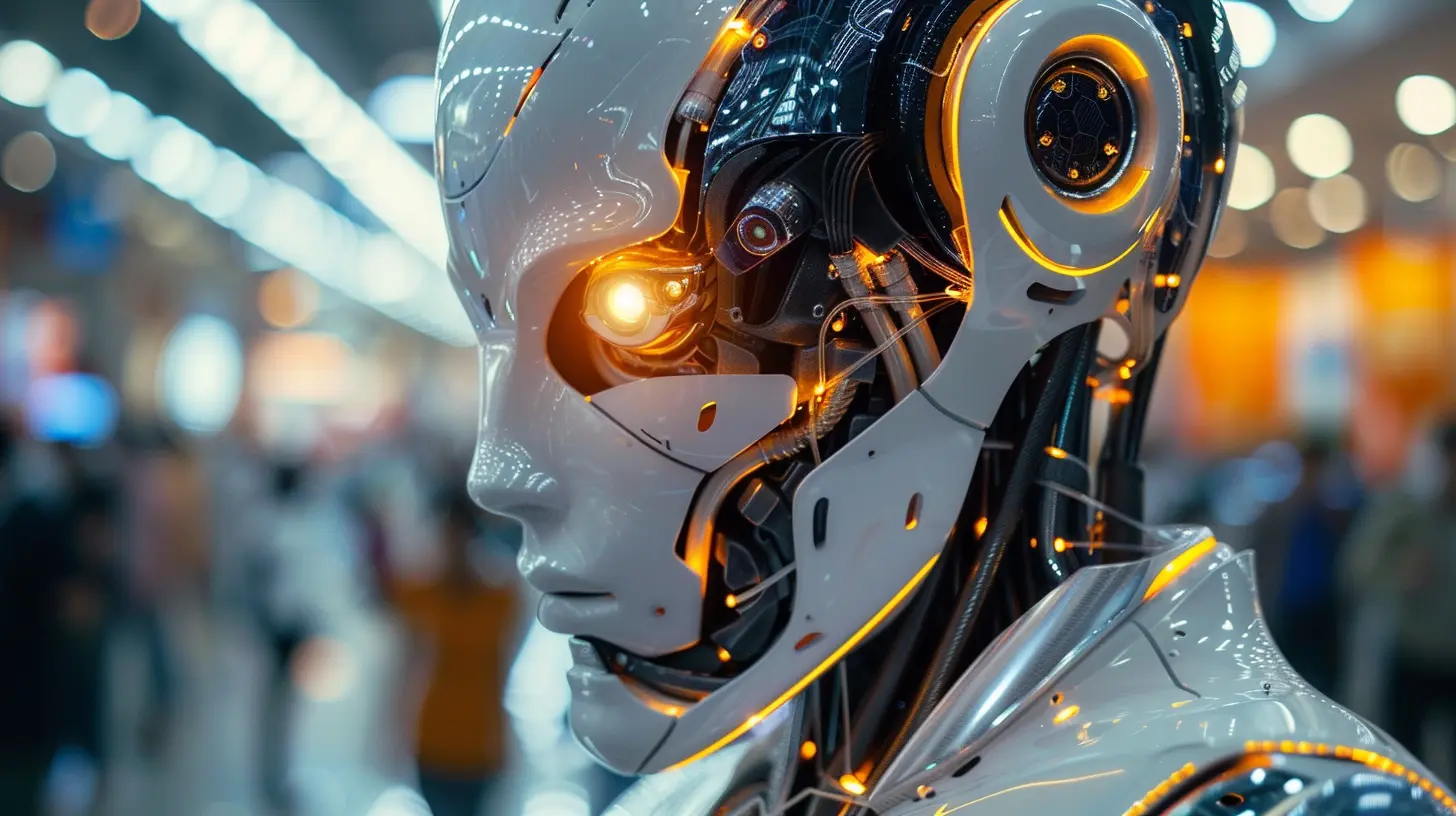
AI and Tech Events: A Match Made in Silicon Heaven
Think about the last tech event you attended. Chances are, it had at least a few hiccups. Maybe the agenda changed last minute, or the check-in line was longer than a Monday morning. Now, imagine if AI had been running the show.AI brings its A-game to the table when it comes to streamlining tasks. We’re talking about automating repetitive chores, crunching data for insights, and even predicting what your attendees want before they do. It's like having a crystal ball and an army of virtual assistants all rolled into one.
Smarter Event Planning With AI Tools
Let’s start at the very beginning: planning.Gone are the days when planners had to juggle spreadsheets, sticky notes, and caffeine-induced late nights. Now, AI tools can assist in event planning from start to finish. Here's how:
1. Predictive Analytics and Attendance Forecasting
AI uses historical data, current trends, and even social signals to forecast attendance and engagement levels. Planning headcount becomes more accurate, saving money and preventing waste.Say goodbye to food excess or seat shortages—AI crunches those numbers for you.
2. Venue Matching and Smart Booking
AI can recommend the best venues based on your event type, budget, size, and preferences. It takes into account things like location traffic, previous reviews, and even weather trends. No more guesswork or flipping coins.3. Efficient Budget Allocation
Budgeting can be a nightmare. But AI-powered budgeting tools analyze where your money will be most effective—whether that's on swag bags or better Wi-Fi (always pick the Wi-Fi, right?).
Personalized Experiences for Every Attendee
No one wants to feel like just another face in the crowd. Personalization is where AI really flexes its muscles.1. Customized Agendas
Attendees can get personalized session schedules based on their interests, job titles, or past behavior at similar events. AI learns what topics they like and maps out the best path through the event for them.It’s like having a tour guide that understands your brain.
2. Smart Networking Opportunities
AI-based matchmaking tools analyze profiles and behavior to suggest who you should meet. Whether it's potential clients, collaborators, or investors, AI acts as the introvert's best friend.Think “Tinder for tech events”—but way less awkward.
AI-Powered Chatbots: Your 24/7 Event Staff
Let’s talk about one of AI’s most popular tools in the event space—chatbots.These digital assistants are available 24/7 to answer FAQs, guide attendees, and even help with troubleshooting. What’s more? They're multilingual, tireless, and never get grumpy.
They can tell you where the restroom is, help you find your next session, or rebook your workshop if there's a last-minute change. Beat that, Karen from the helpdesk!
Real-Time Event Management
Once the event kicks off, things can get wild. But AI’s got your back—even when things go off-script.1. Crowd Management and Flow Optimization
Using AI-powered sensors and surveillance, organizers can monitor crowd movements and avoid bottlenecks. It’s like Waze, but for foot traffic.2. Real-Time Feedback Loops
AI tools can scan social media, feedback forms, and live chat to assess what people are saying about your event while it's happening. If the coffee runs out or a speaker bombs, you’ll know instantly—and can fix it before things spiral.Post-Event Analysis Just Got a Whole Lot Smarter
The event might be over, but for organizers, the work is far from done. Enter AI to help with wrap-up and analysis.1. Automated Reporting
Instead of spending a week manually creating reports, AI tools can generate comprehensive post-event dashboards. You get insights on attendance, engagement, performance, and ROI—all in a fraction of the time.2. Sentiment Analysis
AI can analyze tweets, posts, and surveys to determine the overall vibe of your event. Was it inspiring? Confusing? Meh? You'll know what to celebrate and what to improve.Virtual and Hybrid Events: AI Is the Glue That Holds It Together
Ever since COVID flipped the script, virtual and hybrid events have become the norm rather than the backup plan. And guess who’s making those seamless? Yep—AI.1. Virtual Hosts and Moderators
AI-generated avatars or voice assistants can moderate sessions, introduce speakers, and even keep time. It's futuristic—and a bit sci-fi—but it totally works.2. Improved Engagement Through AI
Using AI, virtual platforms can recommend poll questions, gamify sessions, and suggest breakout rooms based on participant profiles. It raises the bar for virtual engagement.AI-Driven Content Creation and Curation
Creating content before, during, and after an event can be exhausting. Blogs, newsletters, speaker bios, email reminders—it piles up fast. But AI’s got your back.1. Automated Content Generation
Tools like GPT-4 can help generate speaker bios, craft social media posts, and even write recaps from session transcripts. It’s like having a mini content team on standby.2. Content Recommendation Engines
AI suggests relevant sessions, blog posts, or previous talks to attendees based on what they've clicked, watched, or searched. Netflix-style bingeing for tech education? Yes, please.Ethical Considerations: Not All That Glitters Is Gold
Okay, before we start worshipping at the altar of AI, let’s pump the brakes.AI isn’t perfect. There are concerns around data privacy, bias in algorithms, and over-reliance on automation. For example, if your matchmaking AI doesn’t have diverse data sets, it might suggest networking connections that are too "samey"—killing the vibe of diversity and innovation.
So yeah, AI is awesome—but it needs oversight, ethical use, and a human touch.
The Future: AI Co-Pilots, Holograms, and Beyond
Looking ahead, the future of tech event organization is wild. We’re talking about AI co-pilots that help you make real-time decisions, hologram speakers that beam into events Star Trek-style, and fully immersive AR/VR experiences guided by AI.Imagine walking into a virtual conference hall with personalized signage, AI-driven avatars greeting you, and real-time language translation during keynotes. We're heading there, and fast.
Final Thoughts: Embrace the (AI) Assistant, Not the Overlord
At the end of the day, AI isn’t here to take your job as an event organizer—it's here to help you do it better. Way better. More efficiently, creatively, and intuitively.From planning and promotion to execution and analysis, AI is the ultimate sidekick. Think of it like Batman and Alfred, Frodo and Sam, Iron Man and Jarvis… you get the idea.
So, if you're in the business of tech events—or attending them—it’s time to stop resisting and start integrating. Because the future of event organization is not just digital—it’s intelligent.
all images in this post were generated using AI tools
Category:
Tech EventsAuthor:

Pierre McCord
Discussion
rate this article
1 comments
Zaid Wade
AI is reshaping tech events in exciting ways. Embracing this evolution opens doors to innovation and creativity, making gatherings more engaging and efficient. The future looks bright for event organizers and attendees alike!
May 21, 2026 at 2:26 AM
Pierre McCord
I completely agree. The integration of AI is definitely enhancing the way we organize and experience tech events. It's exciting to see how this will transform future gatherings.