Israeli technology works to prevent aircraft collisions after deadly firefighting crash in Athens
August 4, 2026 - 10:56
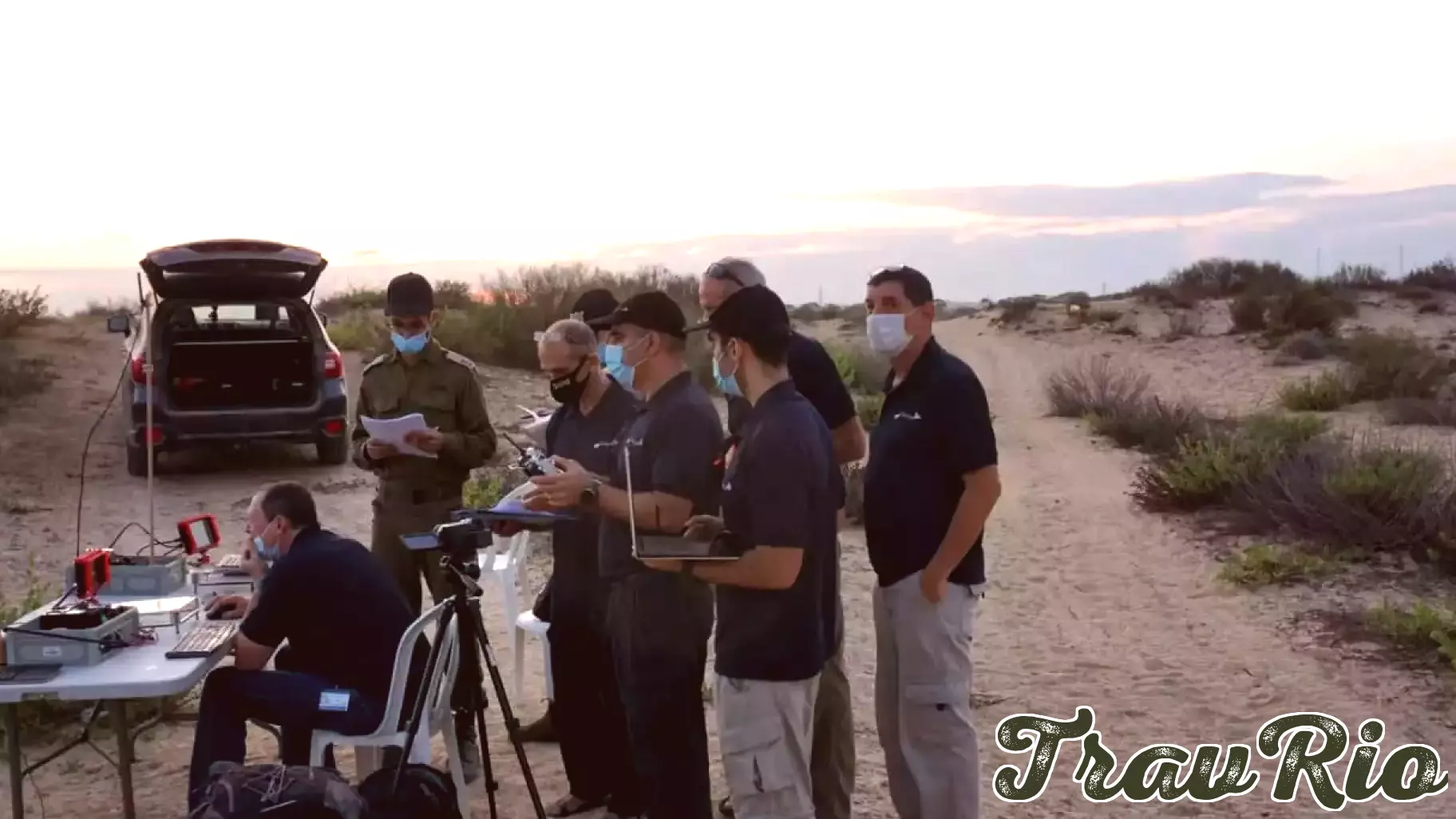
A new Israeli-developed system is being pushed forward as a key safety tool for aerial firefighting, following a deadly collision near Athens that killed two pilots last month. The technology, built for shared situational awareness, allows helicopters, planes, and drones to broadcast their exact flight paths to one another in real time. Unlike traditional air traffic control, which depends on ground radar and human coordination, this system works directly between aircraft, issuing instant alerts and corrective instructions when paths cross dangerously.
The crash in Greece, where a firefighting helicopter and a light aircraft collided while battling a blaze, exposed a critical gap: firefighting missions often operate in chaotic, low-altitude conditions with multiple aircraft from different agencies, none of whom are talking to each other. The Israeli system, developed by a team of aviation software engineers, uses a mesh network of transceivers that automatically exchange position, altitude, speed, and heading data every second. If two aircraft are on a collision course, both cockpits receive a clear verbal warning and a suggested evasive maneuver, such as "climb to 1,200 feet" or "turn left 20 degrees."
What makes this different from existing collision avoidance systems is that it does not rely on ground infrastructure or a central coordinator. In remote fire zones or over open water, where radar coverage is thin or nonexistent, the aircraft themselves form the network. Drones, which are increasingly used for reconnaissance and water drops, are also integrated, addressing a growing hazard since many small drones are invisible to conventional radar.
The company behind the technology says it has already been tested in live firefighting exercises in Israel and is in talks with European and U.S. agencies. The Athens crash, which also injured a third crew member, has accelerated interest. Firefighting commanders often juggle dozens of aircraft in a single incident, and the margin for error is seconds. This system aims to turn those seconds into a clear, automated response, reducing the reliance on a stressed human controller who may be overwhelmed by radio chatter.
While no system can eliminate all risk, the developers argue that real-time peer-to-peer sharing is the missing layer. The next step is certification by civil aviation authorities, which could take months. But with wildfire seasons growing longer and more intense across the Mediterranean and North America, the pressure to adopt such tools is mounting. The Athens tragedy may serve as a turning point, pushing this technology from a niche prototype to a standard piece of firefighting equipment.
MORE NEWS

August 3, 2026 - 18:15
Exclusive-Citi hires Bank of America’s Rohan Sen to lead technology services bankingCiti has tapped Rohan Sen, a veteran banker from Bank of America, to lead its technology services coverage. The move, confirmed through an internal memo reviewed by reporters, is part of the bank`s...

August 3, 2026 - 01:51
Aehr Test Systems vs. C3.ai: Which Technology Stock Is a Better Buy in 2026?Investors looking at technology stocks for 2026 are often torn between two very different names: Aehr Test Systems and C3.ai. Both carry heavy valuations and both are burning through cash, but that...

August 2, 2026 - 03:53
Could Smart Homes Make Electrification More Affordable for Californians?Pacific Gas and Electric is launching a pilot program that uses smart home automation to help California households cut their energy costs while shifting away from gas appliances. The utility says...

August 1, 2026 - 07:33
How Kazakh Youth Transforms Accessibility Through TechnologyA new wave of young developers and engineers in Kazakhstan is changing how people with disabilities interact with daily life. Instead of waiting for imported solutions, these teams are building...